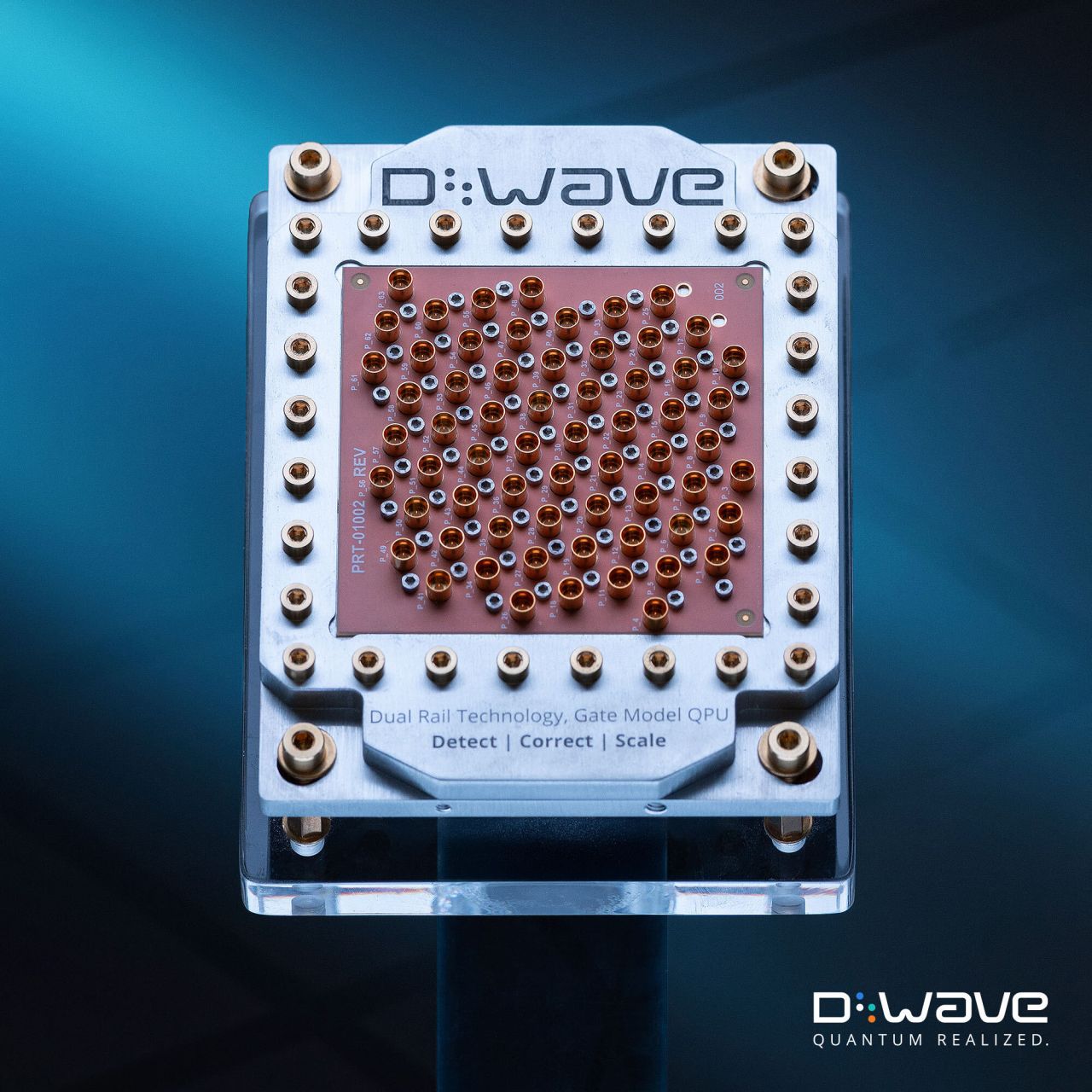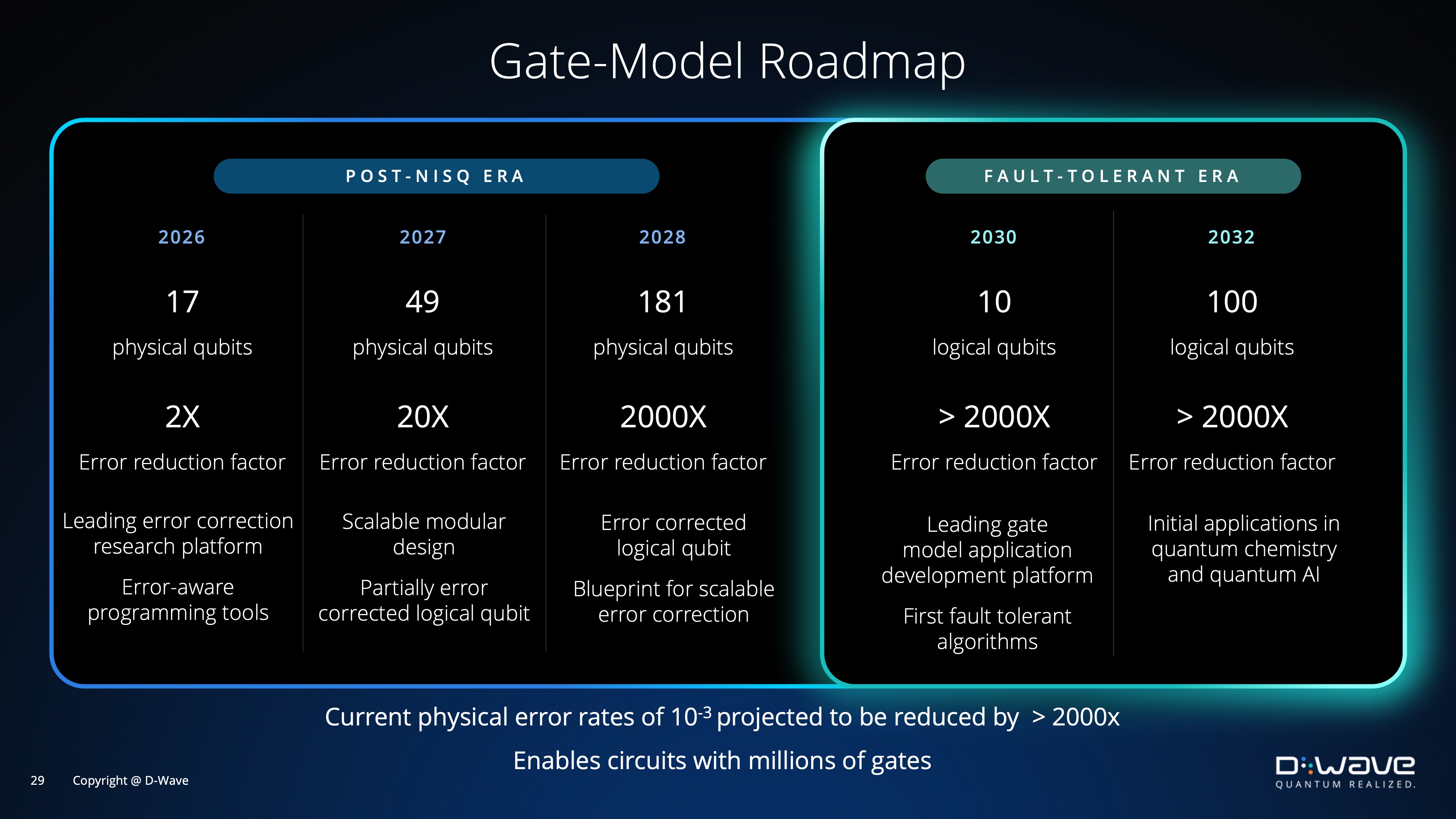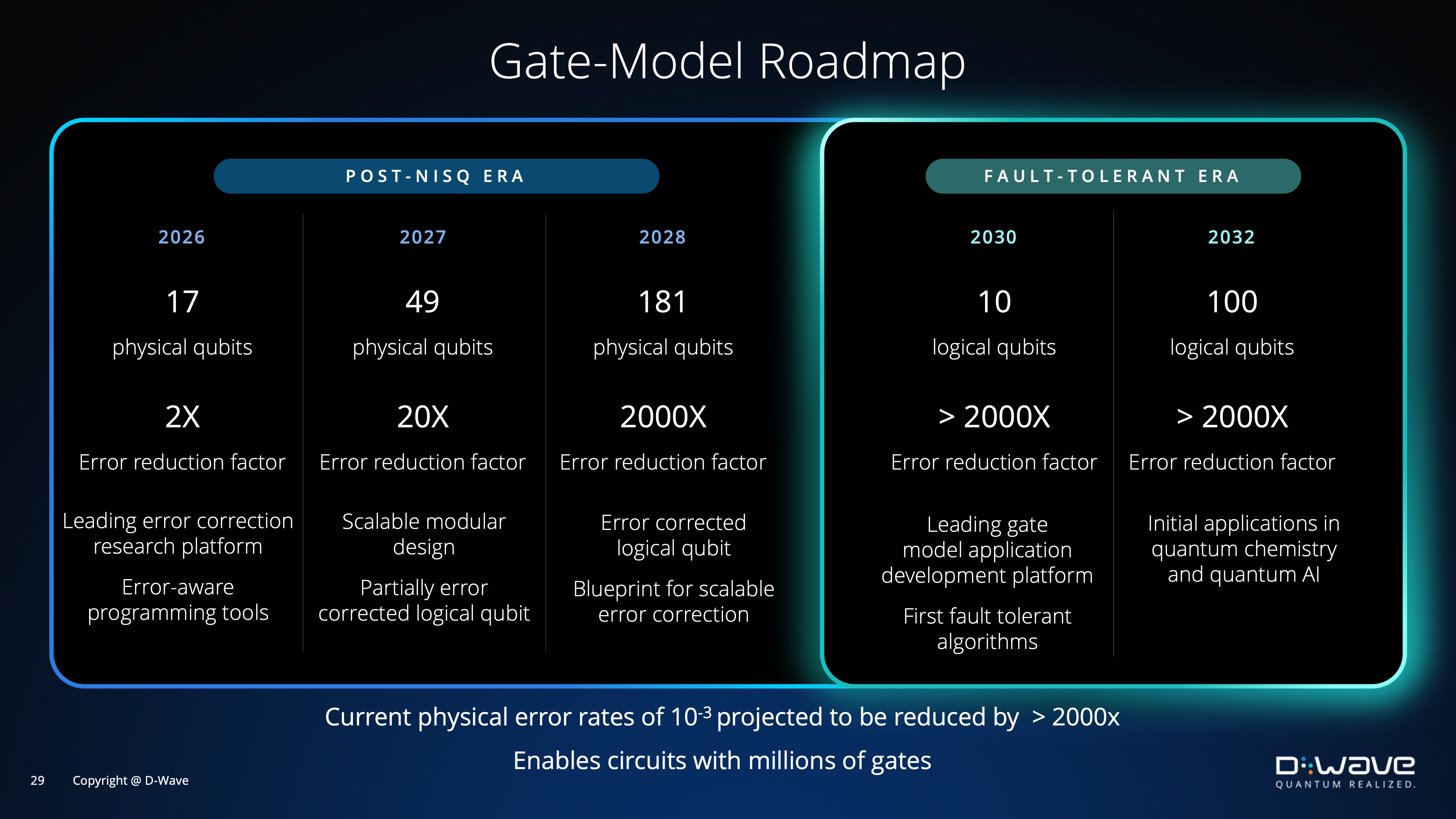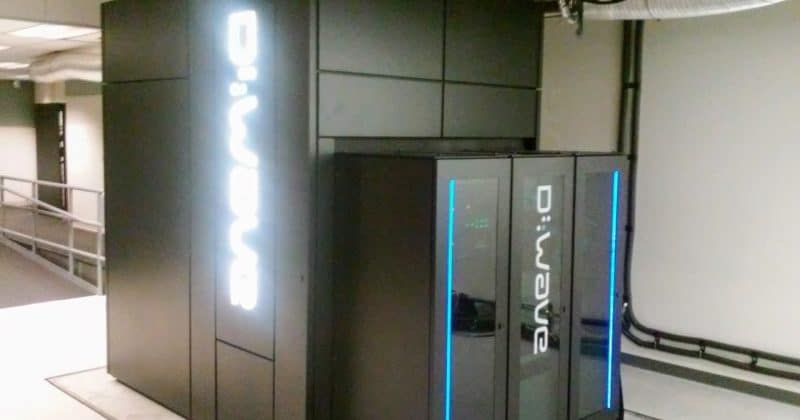
D-Wave Quantum just laid out a six-year plan to build a fault-tolerant quantum computer. The company wants 100 logical qubits performing over 1 million operations by 2032, a target that would put it in direct competition with the biggest names in quantum hardware.
The announcement came on June 1 during D-Wave’s inaugural Investor Day at the New York Stock Exchange. For a company historically known as the “annealing guys” of quantum computing, this roadmap represents a deliberate pivot toward the gate-model architecture that rivals like IBM and Google have been pursuing for years.
The roadmap, milestone by milestone
D-Wave outlined specific intermediate checkpoints: a 17-physical-qubit system by the end of 2026, a 49-physical-qubit system in 2027, and a 181-physical-qubit system in 2028 targeting 2,000-fold error suppression. A 10-logical-qubit fault-tolerant system follows in 2030.
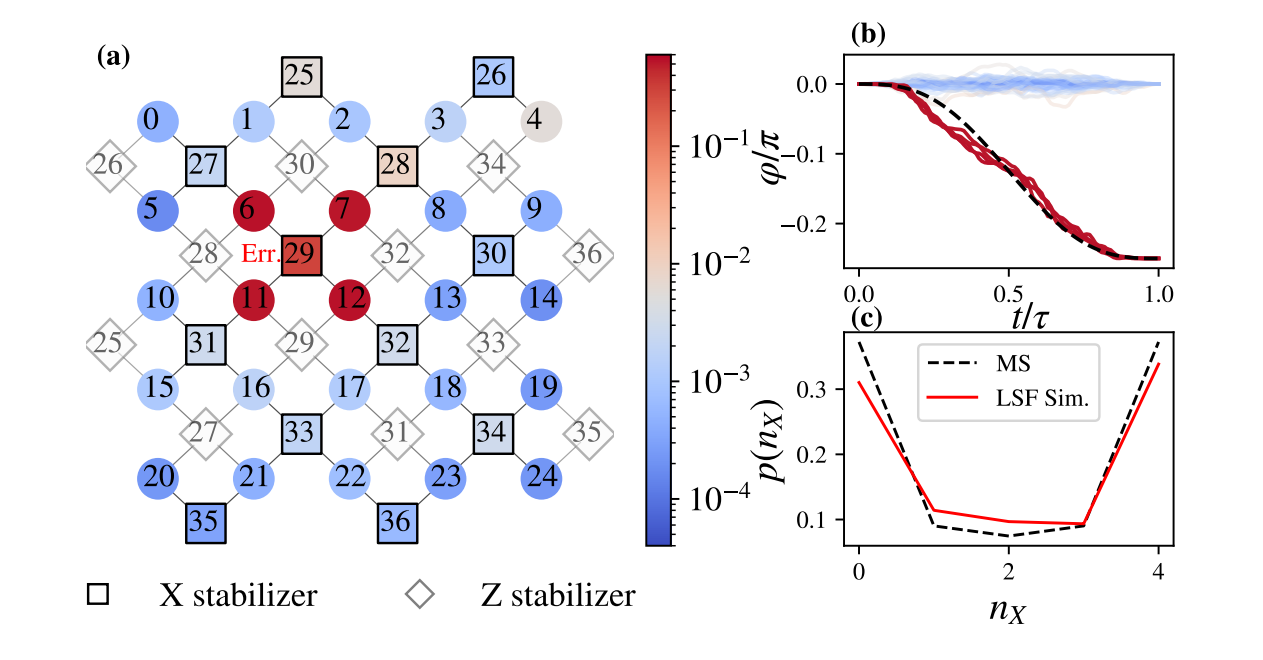
The technology powering all of this is a superconducting dual-rail qubit architecture, bolstered by integrated quantum error correction. D-Wave acquired Quantum Circuits Inc. (QCI) to get its hands on high-coherence dual-rail qubits, which it plans to combine with its own superconducting error correction expertise.