Skip to content
GQINewsNews Archive 2025News Archive 2024News Archive 2023News Archive 2022News Archive 2021News Archive 2020News Archive 2019News Archive 2018News Archive 2015-2017AnalysisQnalysisPlayersPublic CompaniesPrivate/Startup CompaniesUniversitiesGovernment/Non-ProfitVenture CapitalVenture Capital – Sorted by Quantum CompanyResourcesConferencesToolsOther Websites and Industry AssociationsEducationBooksScorecardsGate Level Software PlatformsIBM Qiskit, Rigetti Forest, Microsoft QDK, Project QReview of the Cirq Quantum Software FrameworkQubit Implementation DashboardQubit CountQubit QualityQubit TechnologySoftware/Startup PartnersCloud Platform Hardware PartnersPodcastsAboutQCR Alerts Sign-Up FormAdvertising InquiriesQCR in the NewsContactPrivacy PolicyMembership
Quantum Art Verifies Fault-Tolerant Thresholds for Trapped-Ion Multi-Qubit Gates
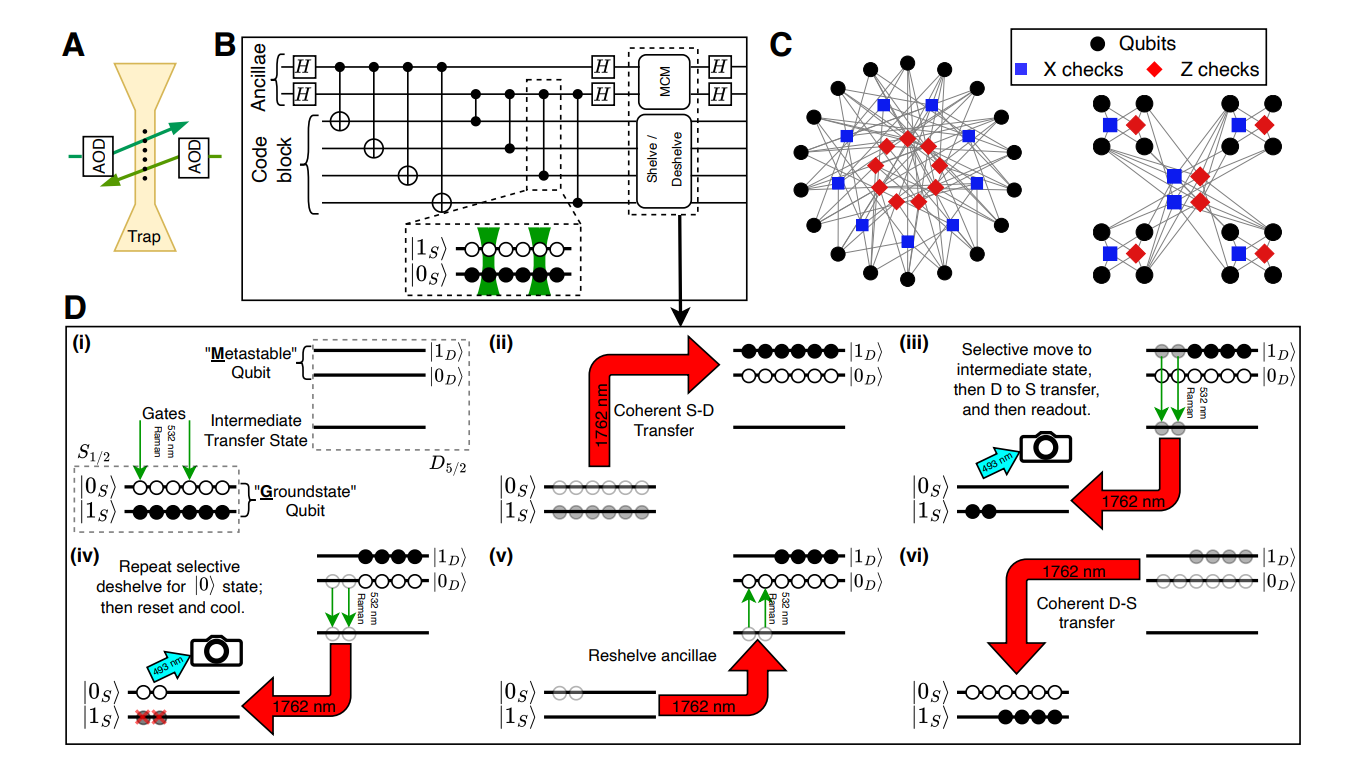
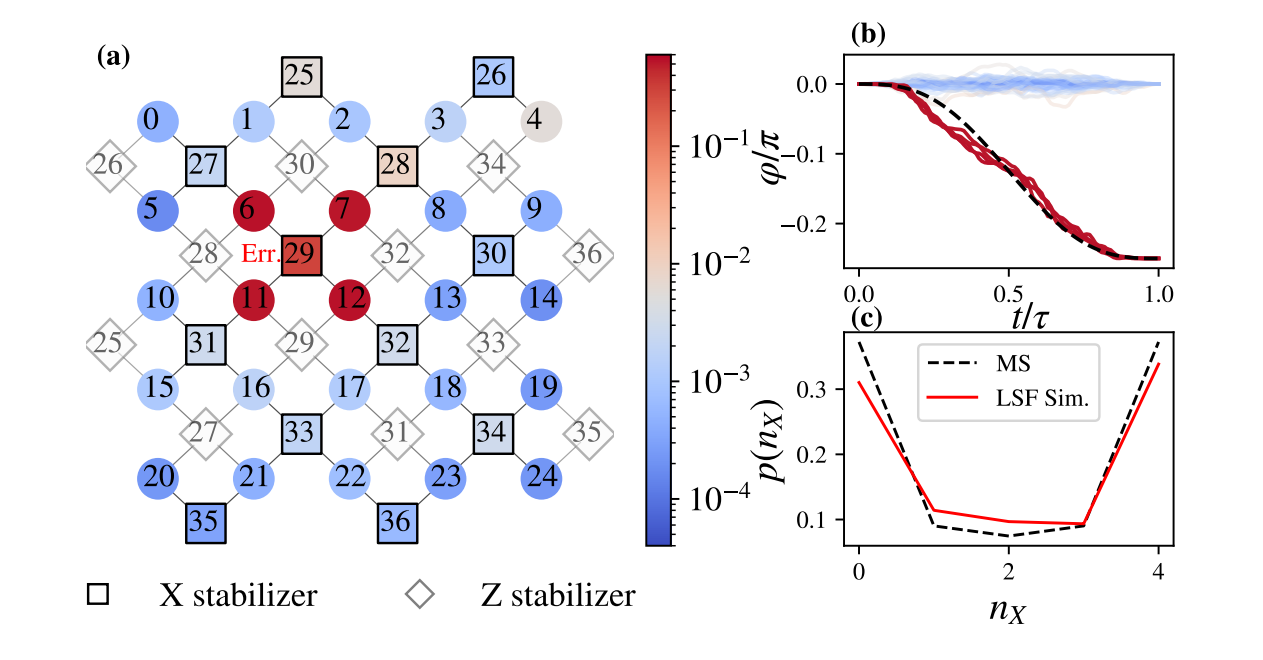
Trapped-ion quantum hardware developer Quantum Art has released comprehensive numerical simulations verifying that its proprietary multi-qubit (MQ) gate architecture is fully compatible with large-scale quantum error correction (QEC). Historically, the quantum computing sector has targeted fault-tolerant pathways constructed almost exclusively from dense sequences of isolated single- and two-qubit operations, leaving open questions regarding whether simultaneous, broad entangling operations would cause catastrophic, long-range error propagation. Quantum Art’s validation bridges device-level atomic physics and macroscopic code performance, demonstrating a stable fault-tolerance threshold at the practical 1% level when evaluated against standard rotated surface code topologies.