Skip to content
GQINewsNews Archive 2025News Archive 2024News Archive 2023News Archive 2022News Archive 2021News Archive 2020News Archive 2019News Archive 2018News Archive 2015-2017AnalysisQnalysisPlayersPublic CompaniesPrivate/Startup CompaniesUniversitiesGovernment/Non-ProfitVenture CapitalVenture Capital – Sorted by Quantum CompanyResourcesConferencesToolsOther Websites and Industry AssociationsEducationBooksScorecardsGate Level Software PlatformsIBM Qiskit, Rigetti Forest, Microsoft QDK, Project QReview of the Cirq Quantum Software FrameworkQubit Implementation DashboardQubit CountQubit QualityQubit TechnologySoftware/Startup PartnersCloud Platform Hardware PartnersPodcastsAboutQCR Alerts Sign-Up FormAdvertising InquiriesQCR in the NewsContactPrivacy PolicyMembership
University of Sydney and IBM Quantify Mid-Circuit Measurement Bottlenecks to Advance Fault-Tolerant Logic
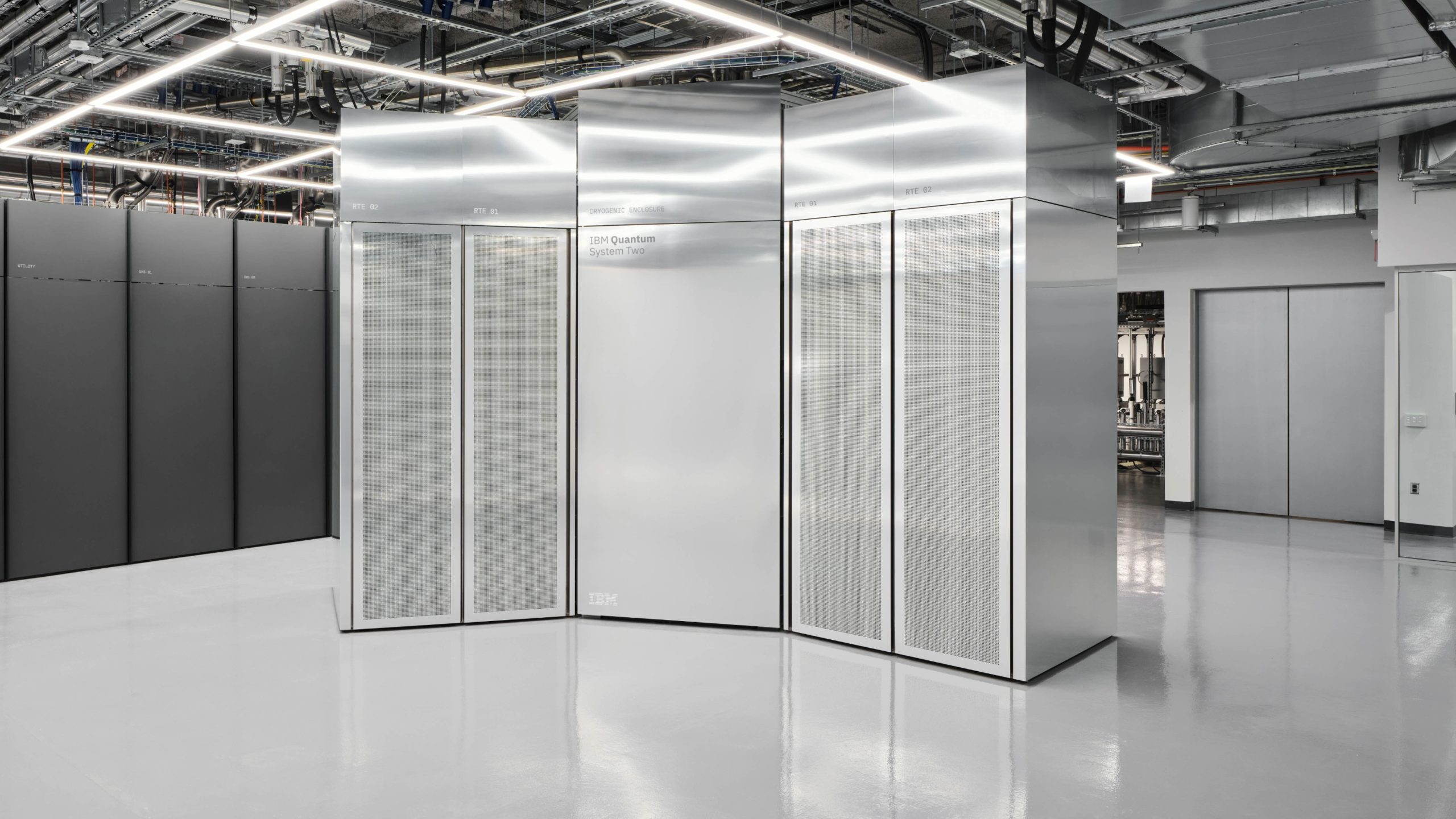
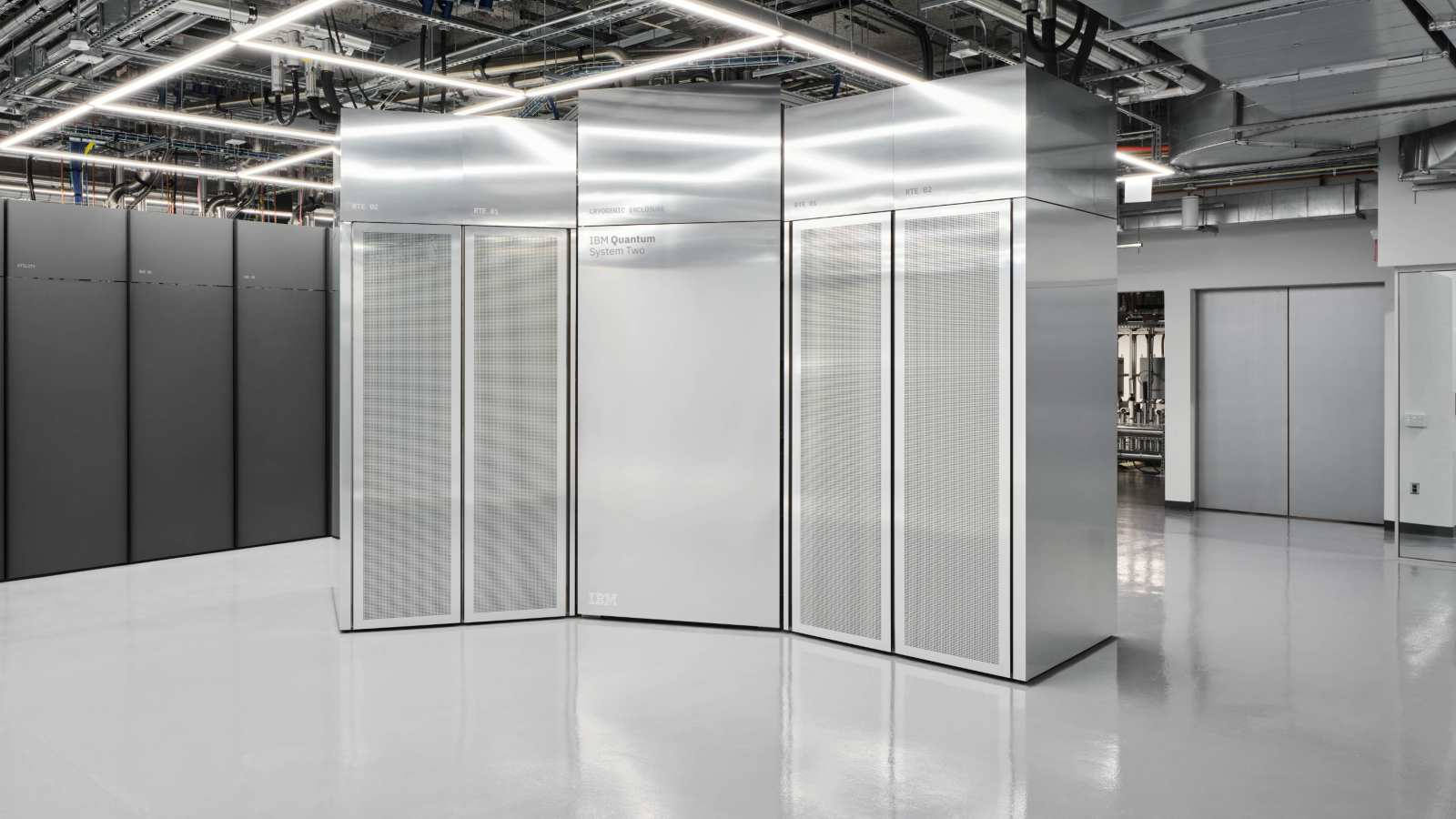
IBM Quantum System Two in Poughkeepsie, New York. The machine was used in the experiments conducted by University of Sydney quantum physicists. Photo: IBM
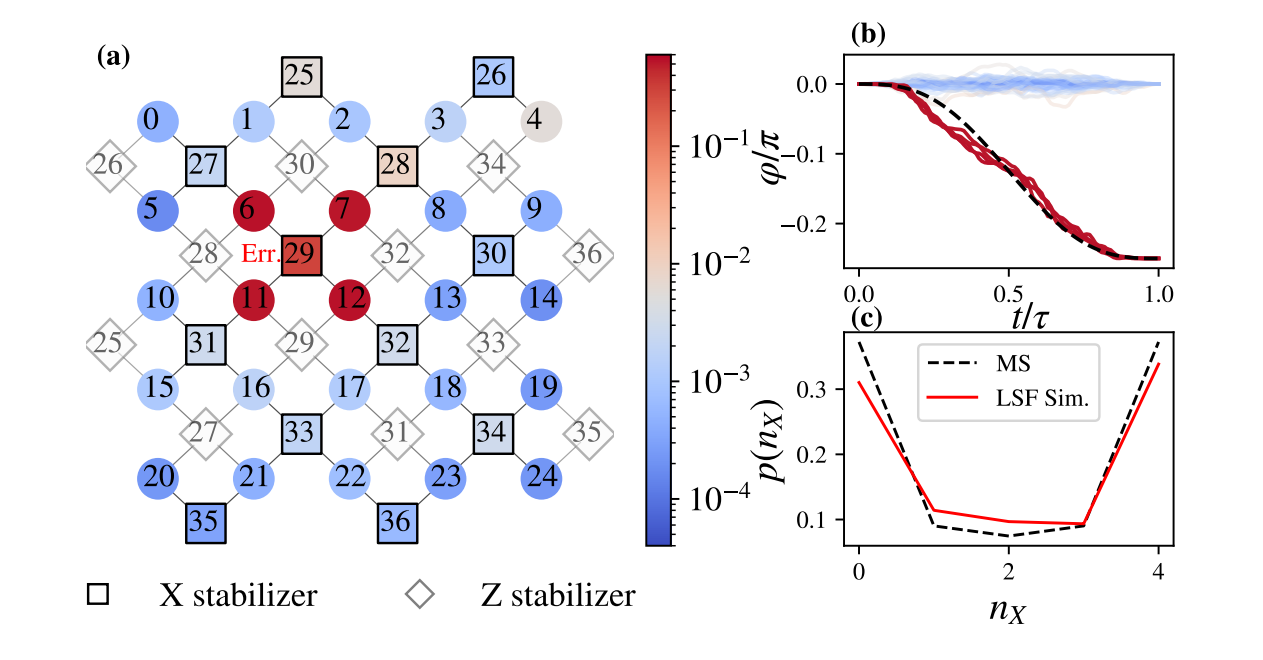
A joint research collaboration between the University of Sydney Nano Institute and IBM Quantum has identified, isolated, and mitigated a major hardware engineering bottleneck hindering Fault-Tolerant Quantum Computing (FTQC). Published in Nature Communications by lead author Dr. Robin Harper and project lead Professor Stephen Bartlett, the study provides the first comprehensive quantitative benchmark of errors introduced directly by mid-circuit measurements (MCMs). The international project—co-funded by the U.S. government’s Intelligence Advanced Research Projects Activity (IARPA)—demonstrates an architectural workaround that dramatically suppresses localized noise, establishing a clearer pathway toward scalable quantum error correction (QEC).