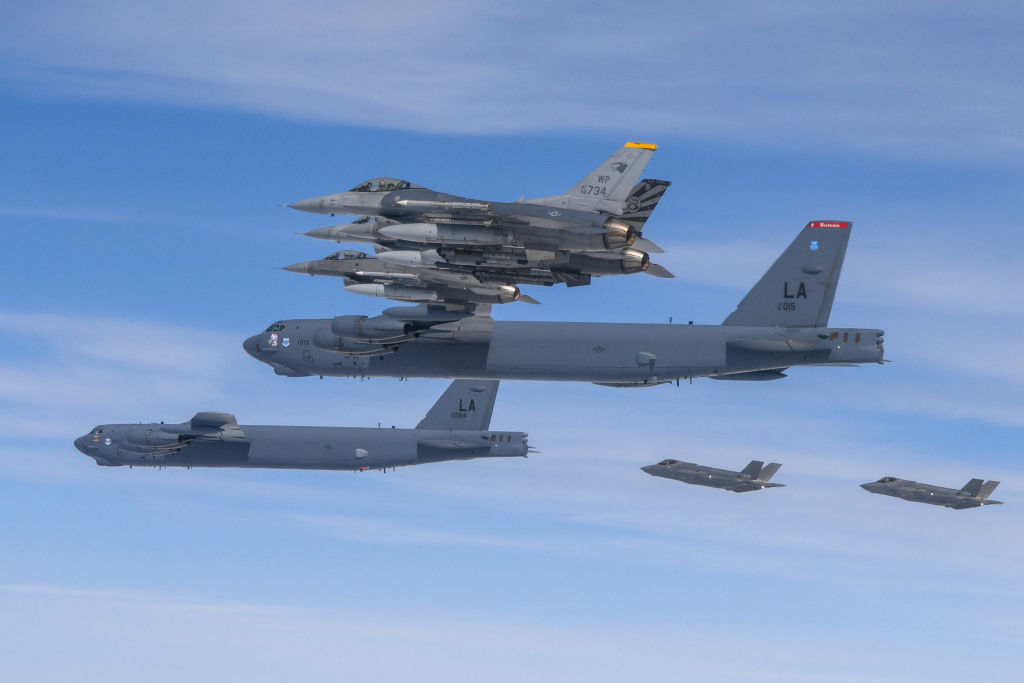
NATO has agreed to modernize its nuclear capabilities, a move that solidifies the alliance’s evolving deterrence posture in response to a security environment that looks nothing like it did a decade ago.
What the modernization actually looks like
At the center of NATO’s nuclear refresh is the US B61-12 gravity bomb, a modernized version of the weapon that has served as the backbone of the alliance’s tactical nuclear deterrent for decades. Production on the B61-12 was expected to wrap up by the end of 2024, with the upgrade extending the bomb’s service life by roughly 20 years.
Belgium, Germany, Italy, and the Netherlands are all transitioning to dual-capable F-35A fighter jets, the stealth aircraft that can carry both conventional and nuclear payloads. Some deliveries have already started, meaning the shift from older platforms is actively underway rather than sitting on a planning whiteboard.
The price tag is staggering