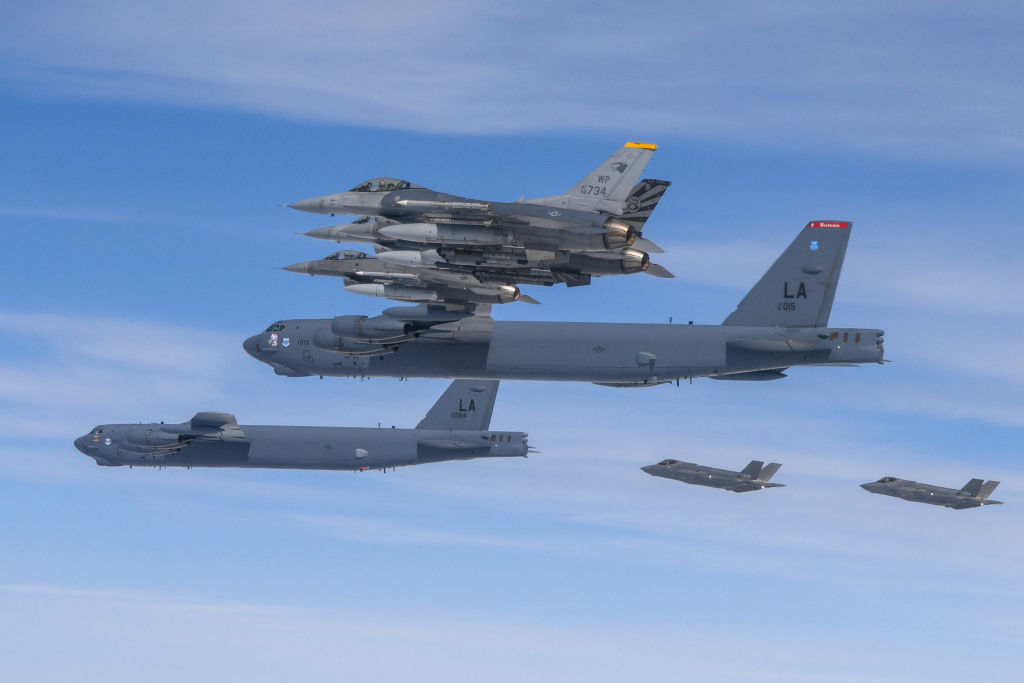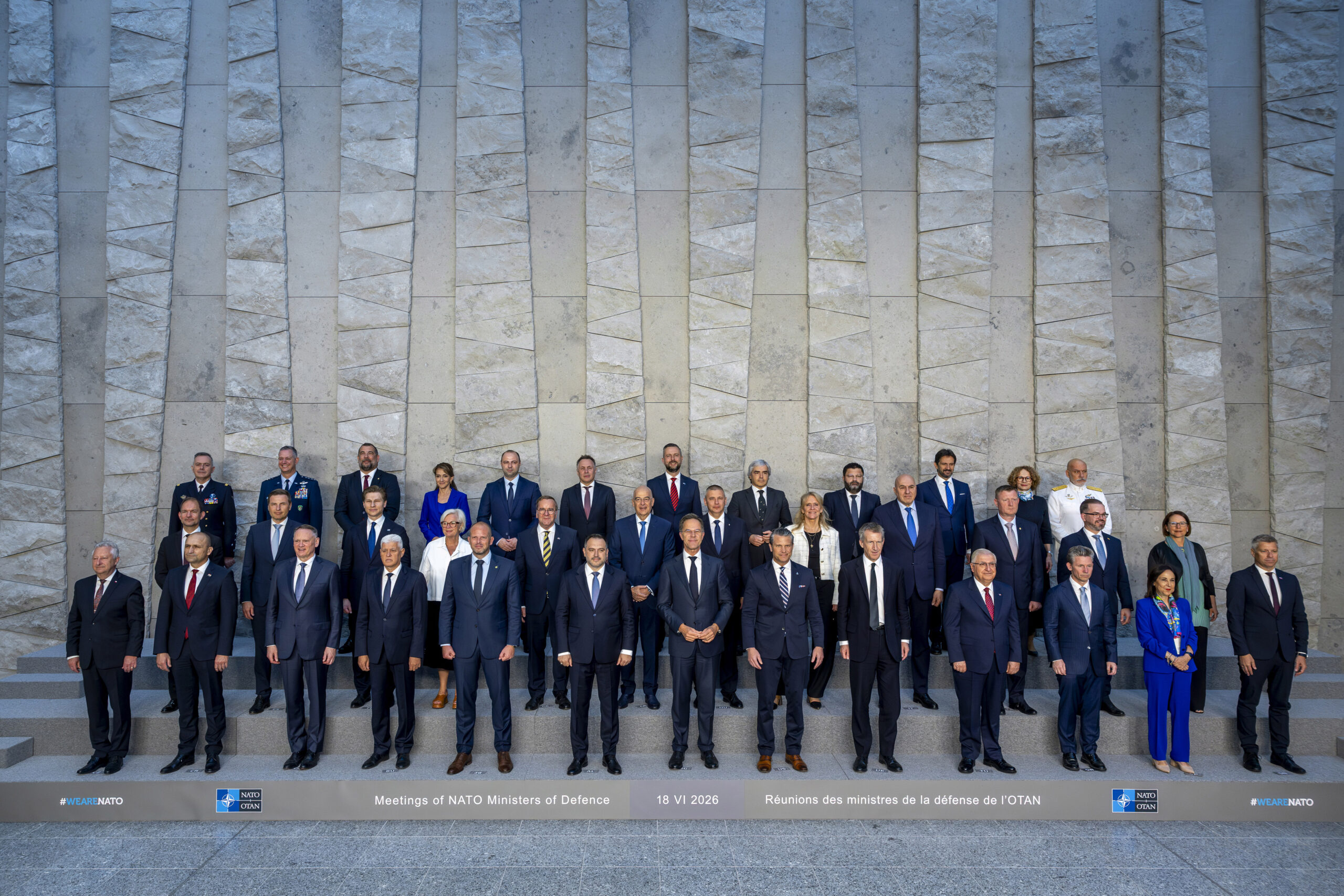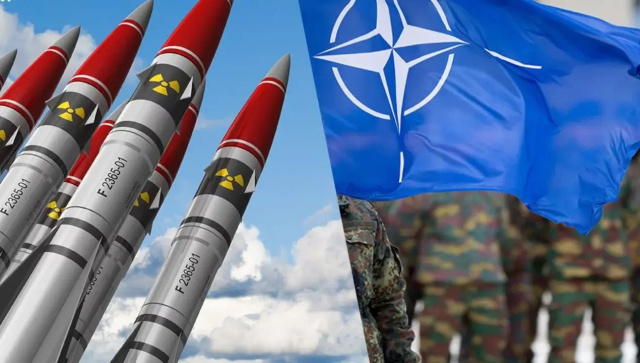
NATO defense ministers have agreed on plans to modernize the alliance’s nuclear capabilities and reinforce nuclear planning structures, in a move aimed at strengthening long-term deterrence across member states.
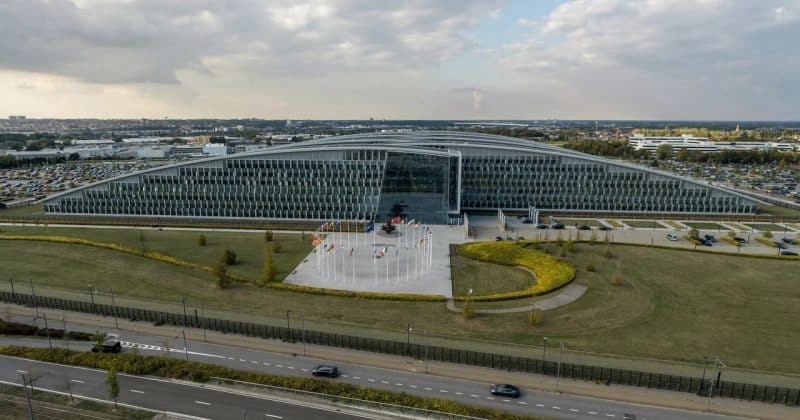
Officials emphasized that NATO’s nuclear forces remain central to collective security. “The alliance's strategic nuclear forces remain the ultimate guarantee of the security of allies and are the foundation of NATO's extended deterrence architecture,” defense ministers said following talks in Brussels.
The Nuclear Planning Group, in which all NATO members participate except France, continues to serve as the primary forum for consultation on nuclear deterrence policy and decision-making within the alliance.
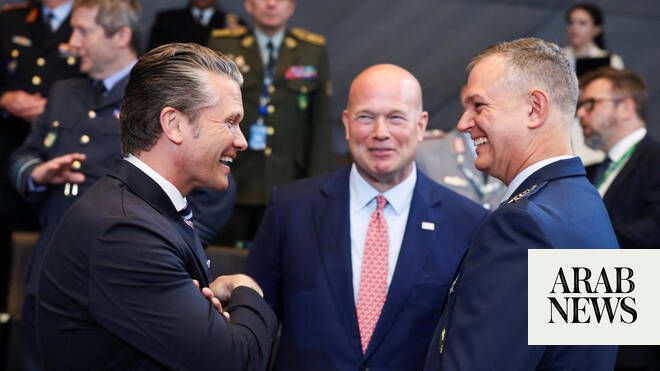
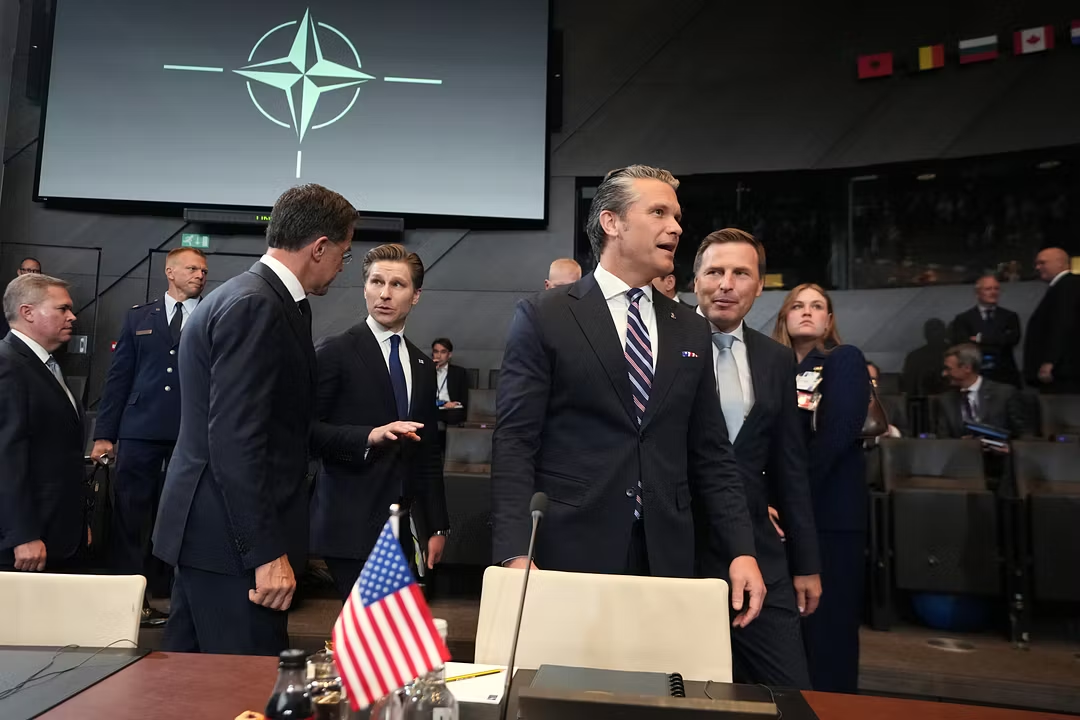
Alongside the nuclear discussions, US Defense Secretary Pete Hegseth announced that Washington is reviewing its deployment posture in Europe. He also warned that the United States could reduce or suspend parts of its NATO contributions if allies fail to meet defense spending obligations, accusing some of “free-riding” on US commitments.
Hegseth highlighted what he described as a new standard set under President Trump, referring to the target of spending 5% of GDP on defense. “Last year, under President Trump, NATO set a new global standard for defense spending by allies - 5% of GDP spent entirely on defense. This is a historic change,” he said, adding that several members are already moving toward that benchmark.