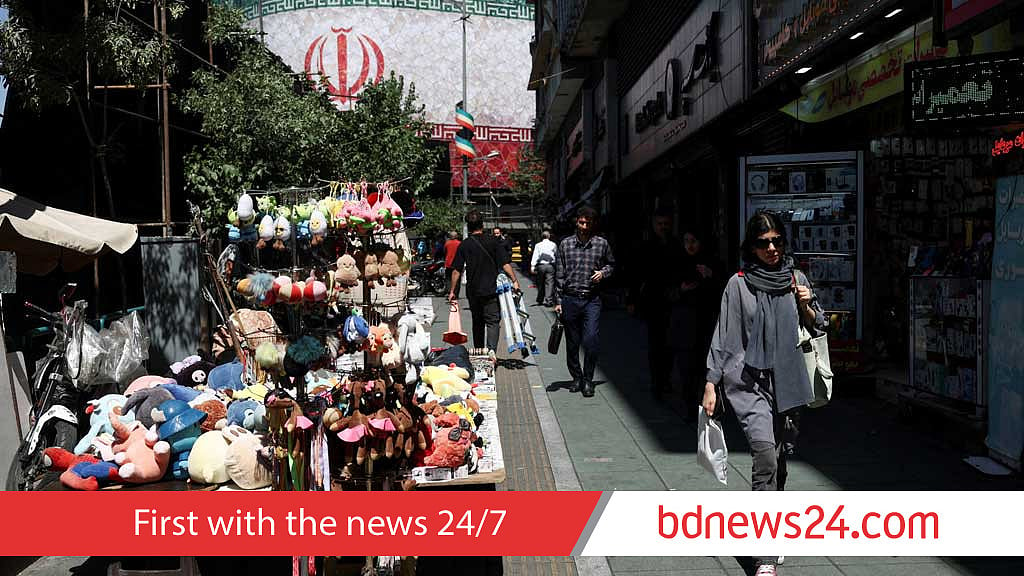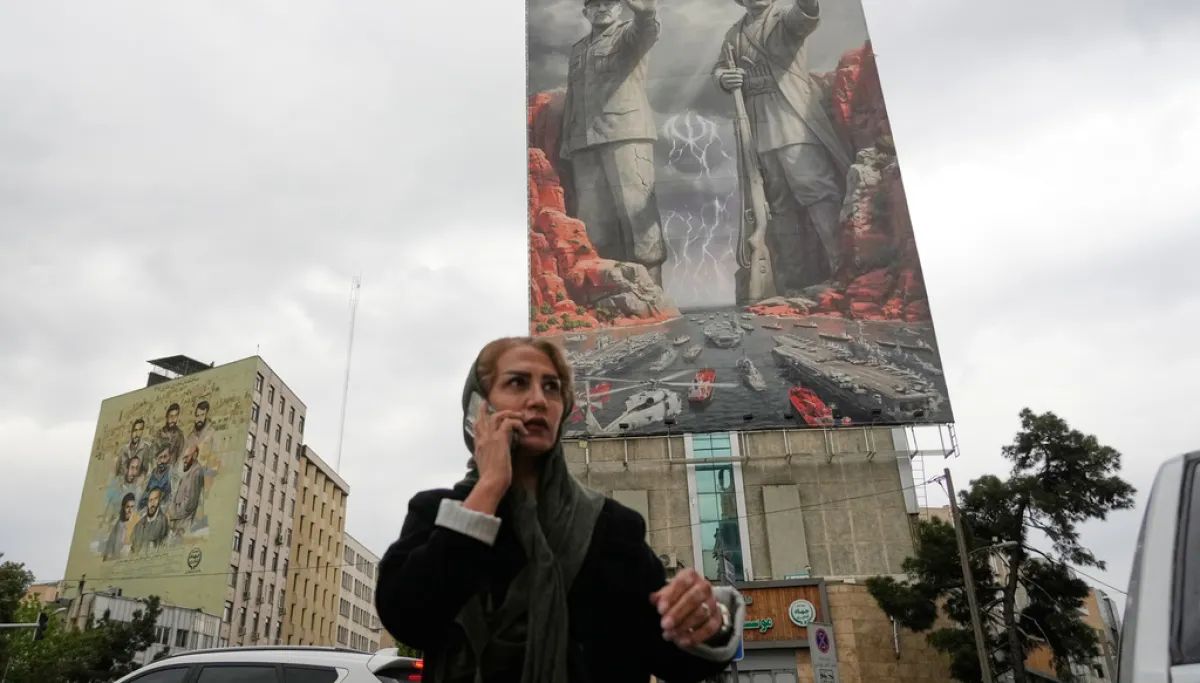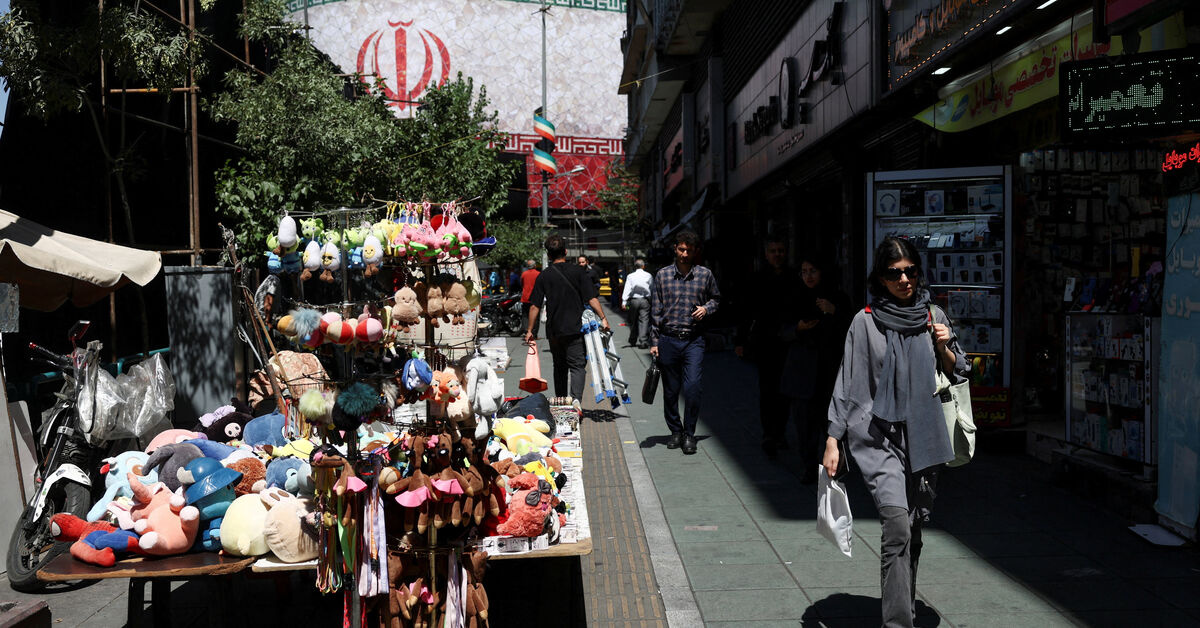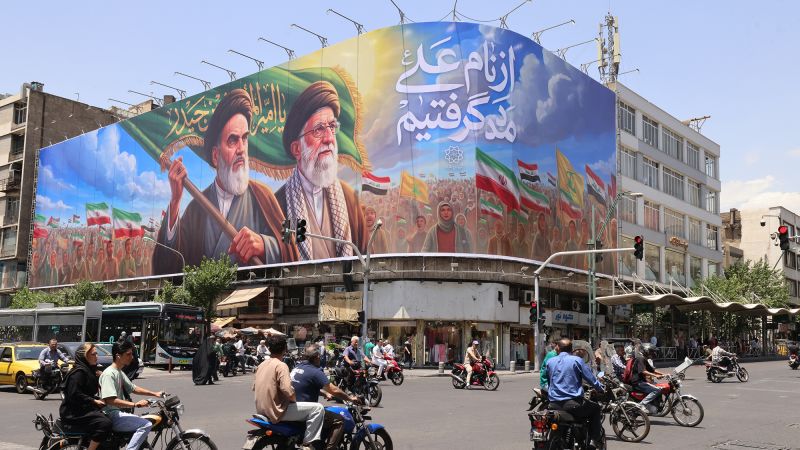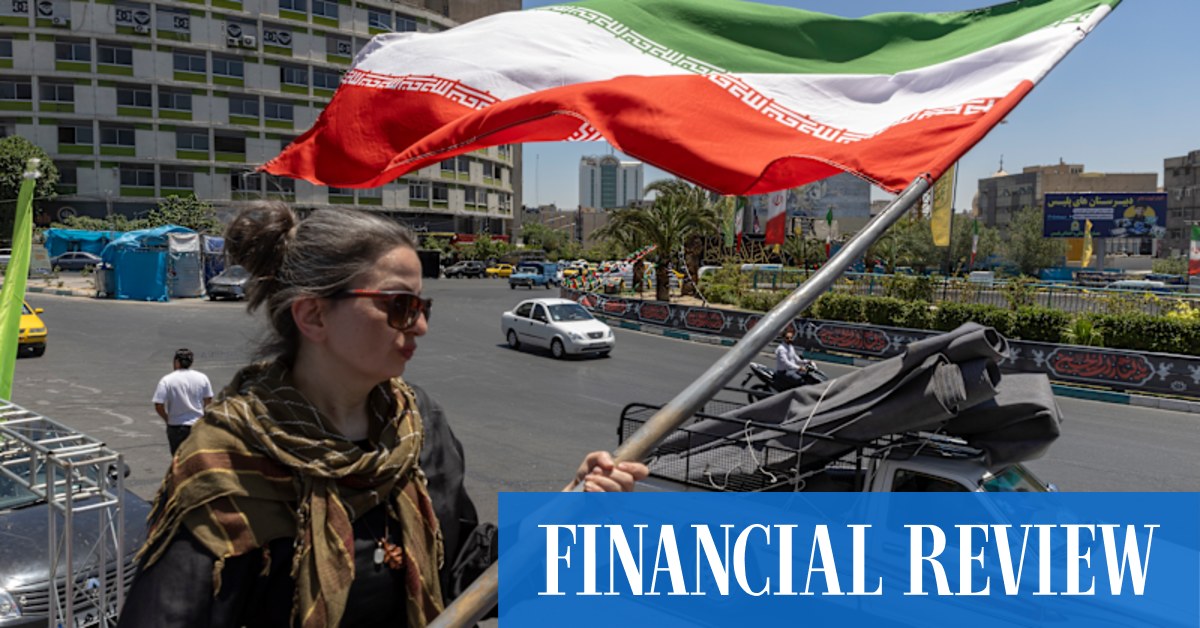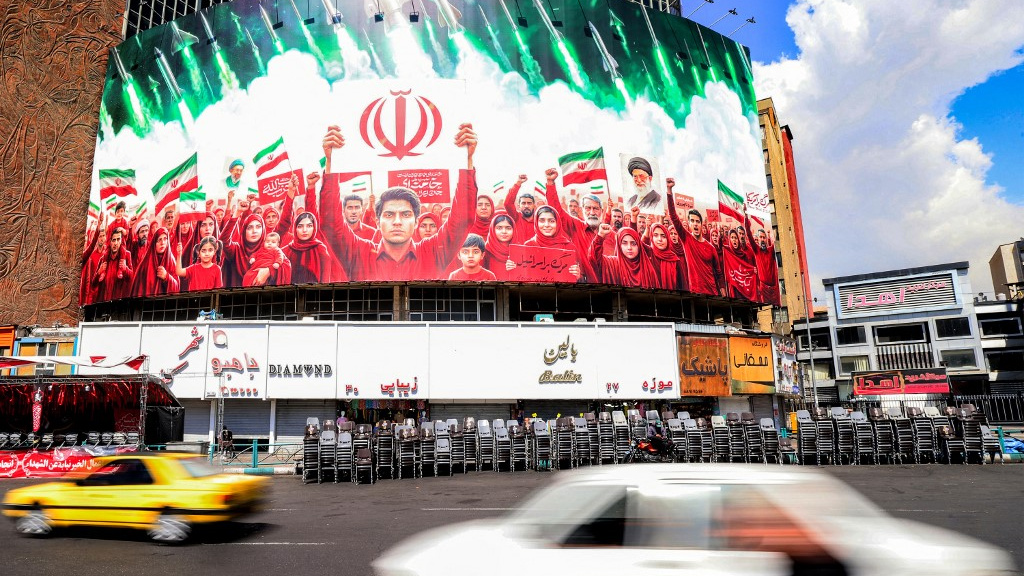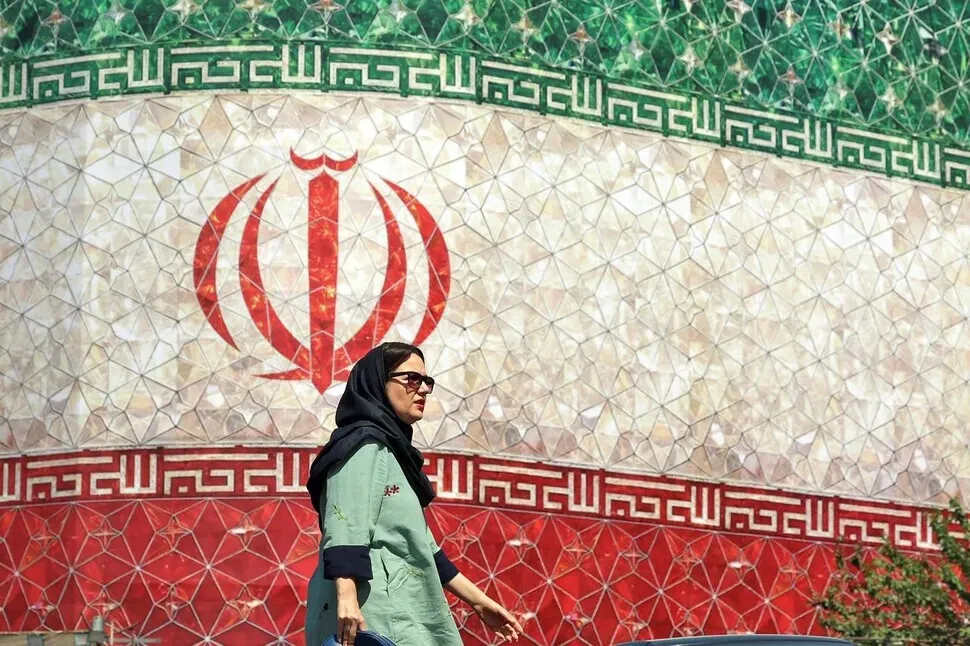
A woman walks past a mosaic flag of the Islamic Republic in Enqelab Square in Tehran, Iran, on June 14, 2026. (AFP/Yonhap)
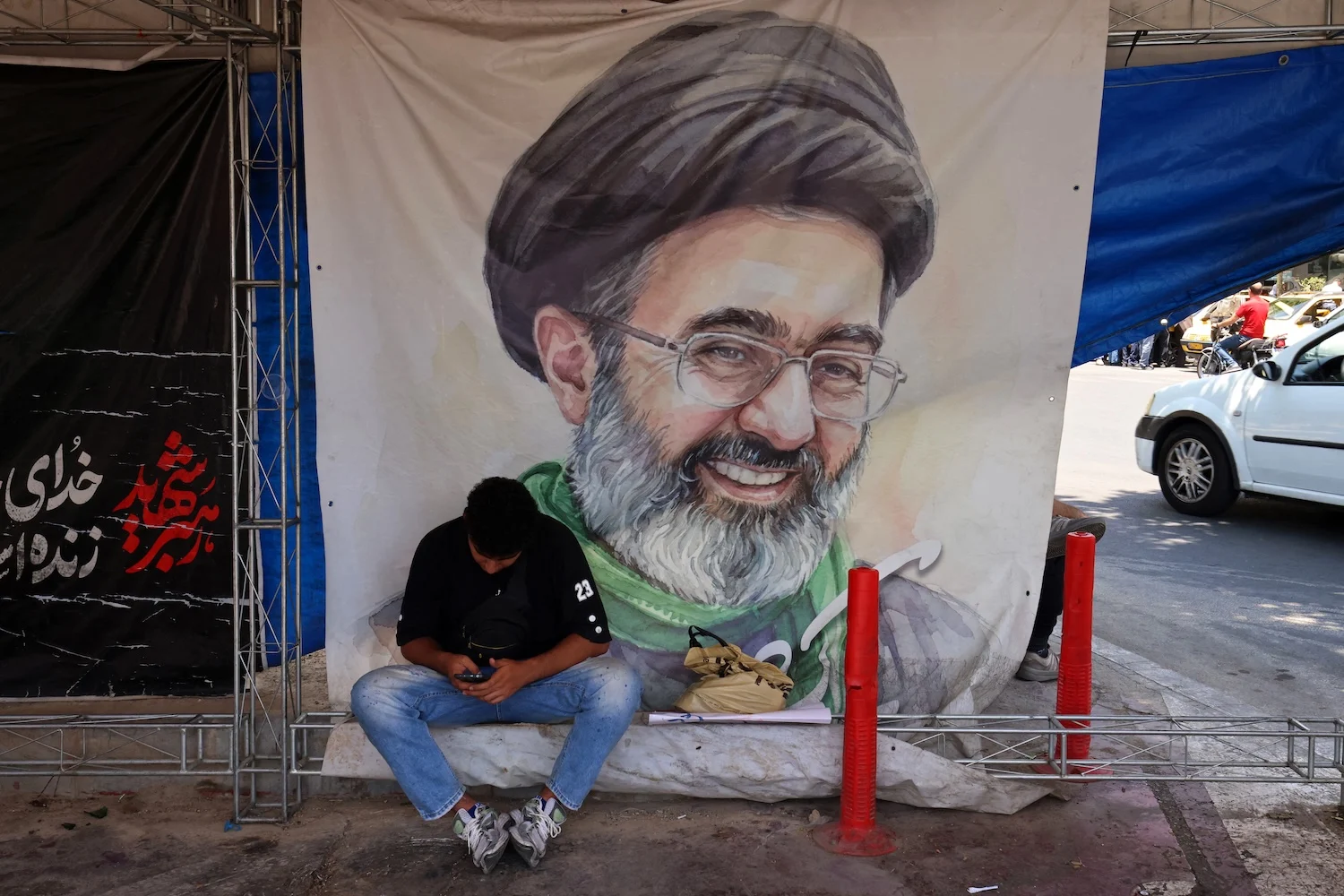
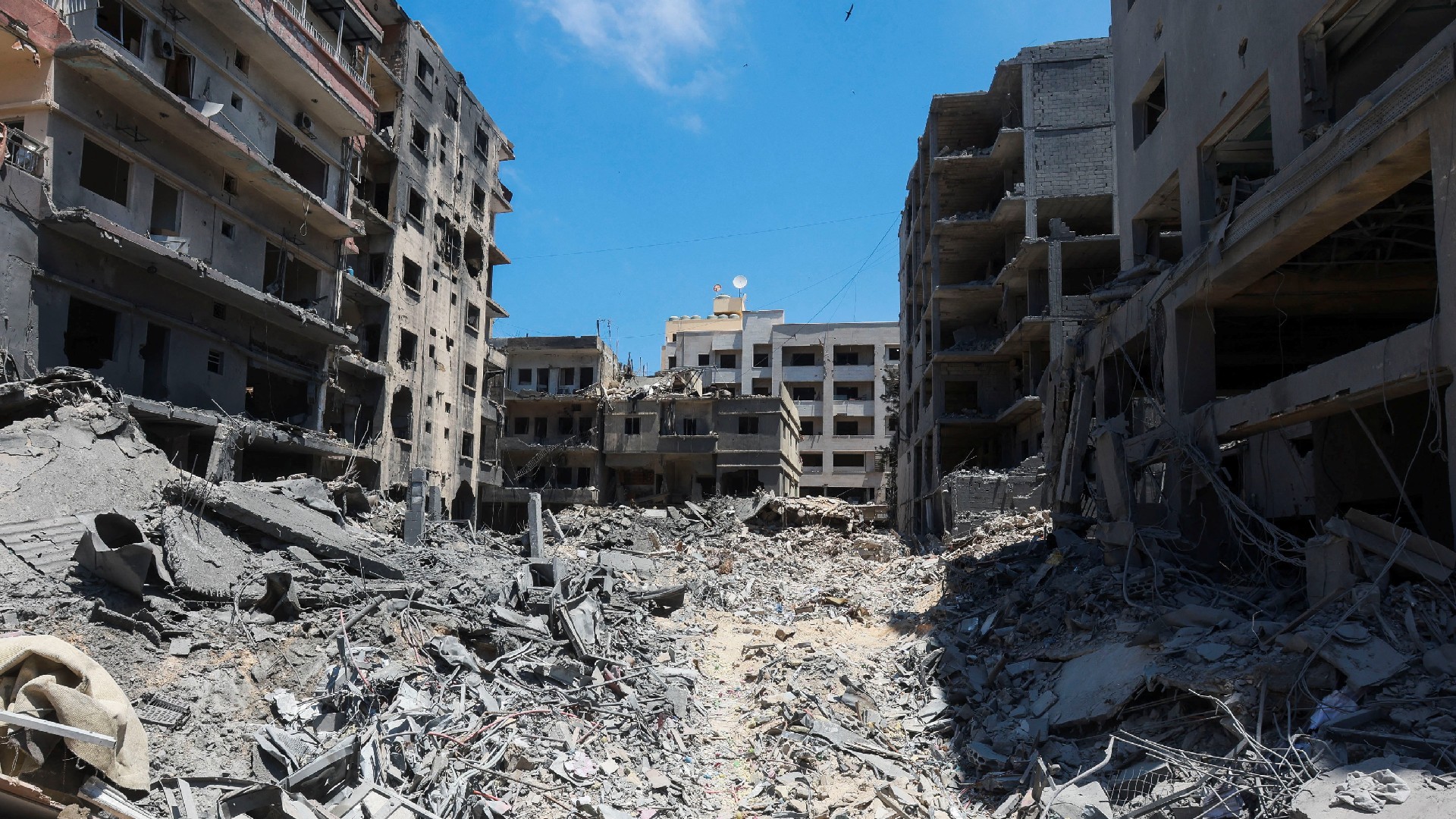
While peace is apparently returning to the Middle East with the US and Iran’s agreement to sign a memorandum of understanding more than 100 days after the US and Israel launched their bombing campaign, the real struggle over control of the region is just beginning.Emboldened by its unexpectedly strong performance in the war, Iran will likely attempt to regain its status as regional hegemon. Meanwhile, the Gulf states, sensing their security vulnerability, may seek to reset relations with Iran and the US. Snubbed in the peace talks, Israel is working to sabotage the negotiations as the Middle East enters a period of transition.Targeted killings in the war gave Tehran a new slate of leaders, and Iran also seems poised to collect benefits including sanctions relief and large-scale assistance for postwar reconstruction.Experts on the Middle East are putting the spotlight on Iran’s new leaders.In an article published in Foreign Affairs on June 3, Vali Nasr, professor of Middle East studies at the Johns Hopkins School of Advanced International Studies, and Narges Bajoghli, an associate professor at the same institution, described Iran’s new leaders — who grew up after the Islamic Revolution of 1979 — as being “pragmatic, hardened nationalists.”“The war has given rise to a new Iran, one that will reshape the Middle East and influence the course of geopolitics for years to come,” Nasr and Bajoghli wrote in their article.Supreme leader Ali Khamenei, who was killed in an airstrike on the first day of the war, was replaced by his son Mojtaba Khamenei, who prosecuted the war with the help of a hard-line clique.The sanctions relief and postwar reconstruction assistance that Iran hopes to secure as compensation for accepting limitations on its nuclear program during the upcoming 60-day negotiations with the US are key factors that will shape the future of Iran and the balance of power in the Middle East.Iran was once touted as the “Germany of the Middle East” given its population of 90 million, the vastness of its territory, the riches of Persian history and culture, the wealth of its oil and gas reserves, and the strength of its manufacturing base. So if Iran is freed from more than four decades of sanctions, its standing in the region could be transformed.