This content was published on
June 18, 2026 - 10:05
5 minutes
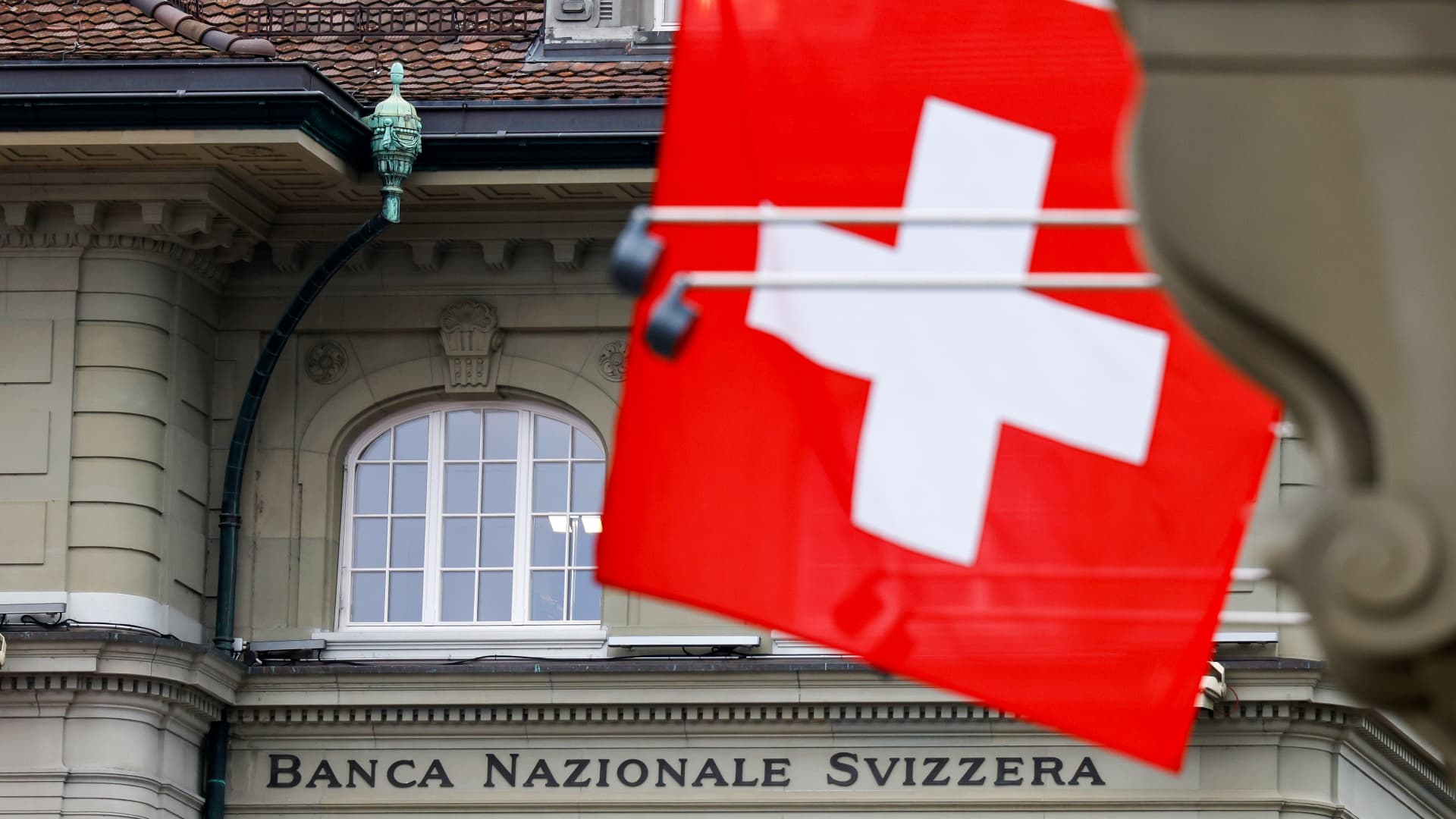
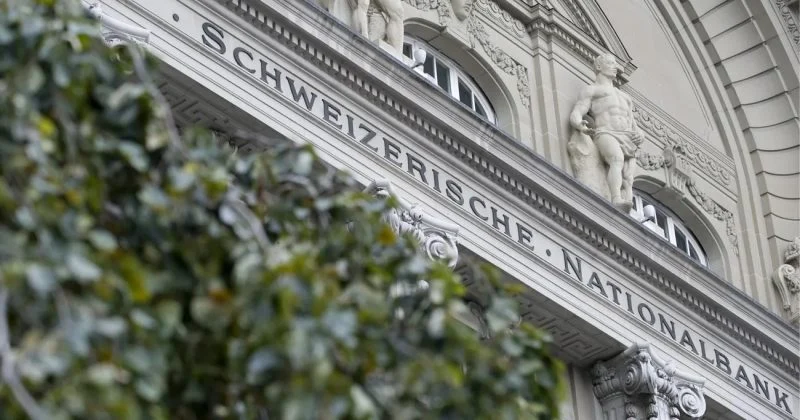
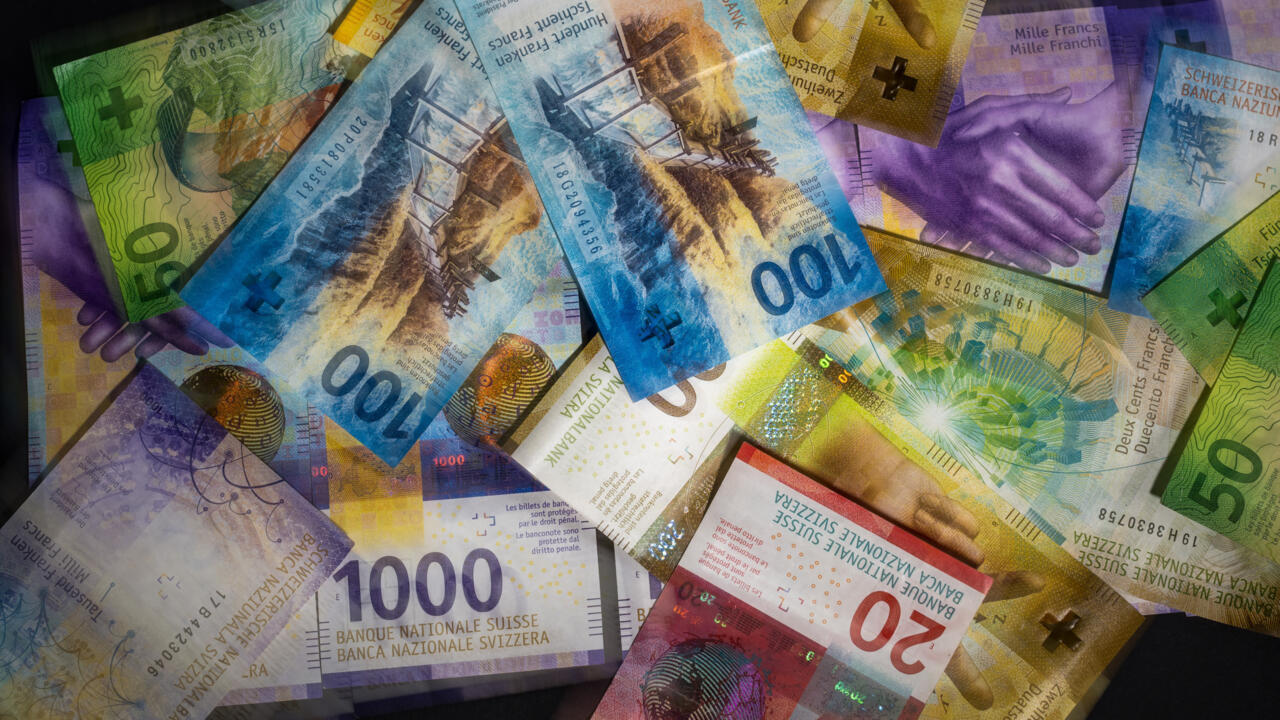
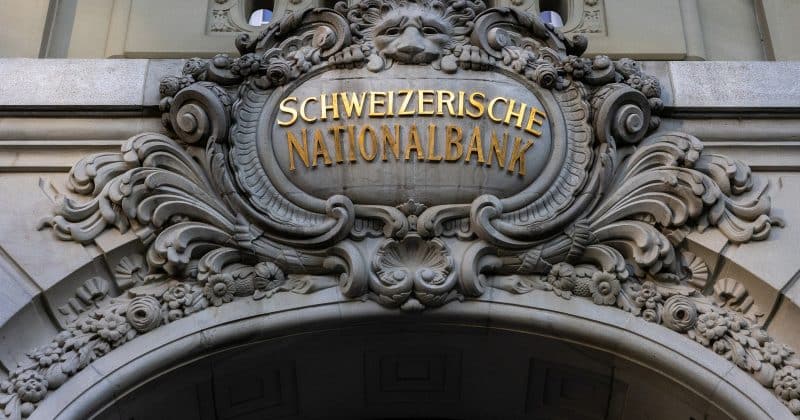
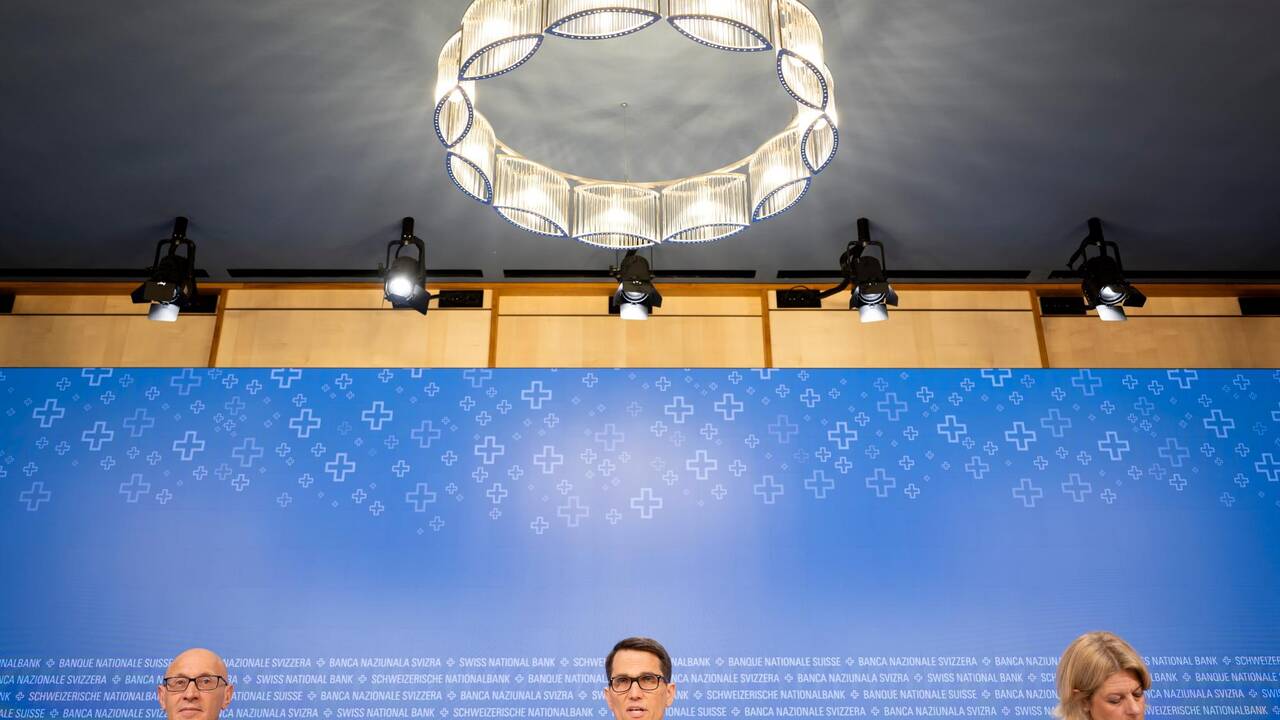
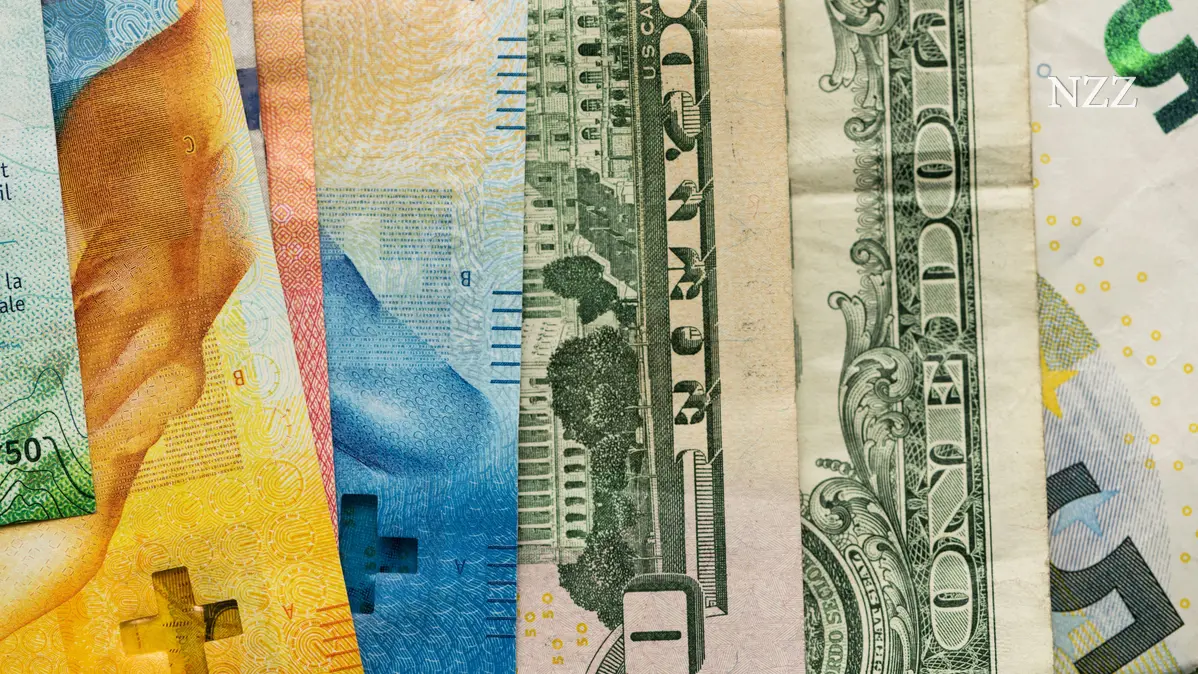
(Bloomberg) — The Swiss National Bank retained its heightened readiness to sell the franc, guarding against renewed geopolitical turmoil in a decision that also left borrowing costs unchanged.Policymakers led by President Martin Schlegel restated their “increased” willingness to intervene in the currency, a line they have used repeatedly since the Iran war broke out. The franc weakened against the euro after the decision.The announcement on Thursday also held the SNB’s interest rate at zero for a fourth quarterly meeting, putting Switzerland on track to enter a second year at that very low level.“If necessary, we have an increased willingness to intervene in the foreign exchange market,” Schlegel told reporters in Bern. “We thereby counter a rapid and excessive appreciation of the Swiss franc, which would jeopardize price stability in Switzerland.”The decision suggests officials remain fearful of renewed pressure on the franc despite the circumstances that motivated their alarm having subsided. The currency is now weaker than before the outbreak of the conflict sparked haven flows, and a peace deal signed this week might further deter such action by investors.The Swiss franc extended modest losses versus the euro, dropping as much as 0.2% to 0.9215 per euro.The advantage for officials is that they retain flexibility to act in case of flare-ups in hostilities. Whether the SNB has actually followed through on the intervention threat it first issued in March will only be known when first-quarter data are published on June 30.“The SNB believes the fight against disinflation is far from over,” said Arthur Jurus, an economist at Oddo BHF. “The central bank’s main concern remains the Swiss franc.”The currency challenge faced by Swiss officials showcases their fairly unique situation. Unlike their neighbors in the euro zone, where policymakers raised rates last week, they are confronting only benign inflation that is contained by the strength of the franc.On the eve of the announcement, the US Federal Reserve held rates steady in a decision that showed officials getting closer to an increase. Norway’s central bank also stayed unchanged on Thursday, and the Bank of England is expected to do so later in the day.In Switzerland, annual consumer-price growth has accelerated to 0.6%, still well within the 0-2% range targeted by the SNB. That could creep up in the second half of 2026 because of the effect of the calculation from a year earlier.The central bank raised its inflation forecasts slightly to 0.6% this year, up from 0.5%. Next year, consumer-price growth is now seen at 0.6% and in 2028 at 0.7%.“Inflation is likely to increase further slightly in the coming quarters, before declining again somewhat thereafter,” Schlegel said. “There has been hardly any change in medium-term inflationary pressure.”With higher energy costs the main reason for the recent pickup of inflation after almost a year of levels around or below zero, policymakers have consistently said that medium-term price pressures are essentially unchanged.The central bank predicts expansion to come in at around 1% this year and 1.5% next, the same outlook as before.Schlegel highlighted that “uncertainty about inflation and economic development is still high,” adding that SNB “policy continues to have an expansionary effect.”Given that backdrop, economists don’t expect a change in rates any time soon.Inflation pressure or a desire to avoid damage to the financial system from zero borrowing costs would be one motivation to hike. Meanwhile further flows into the franc could revive the case for the extreme option of going negative to tax investors holding the currency.Further ahead, Switzerland faces political unease over relations with its neighbors, in what could one day become a threat to the economy.A potential danger there was dodged last weekend when voters narrowly rejected a proposal to cap the population at 10 million. Immigration remains a fault line that will also feature as the debate over ties with the neighboring European Union intensifies before a referendum on a new bilateral accord within the next couple of years.Schlegel and his two fellow rate setters will address reporters on the decision in the first use of its new venue in Bern.–With assistance from Vassilis Karamanis, Joel Rinneby, Kristian Siedenburg, Harumi Ichikura, Alexander Weber, Nick Heubeck, Sonja Wind, Phil Serafino and James Regan.(Updates with Schlegel comment starting in fourth paragraph)©2026 Bloomberg L.P.