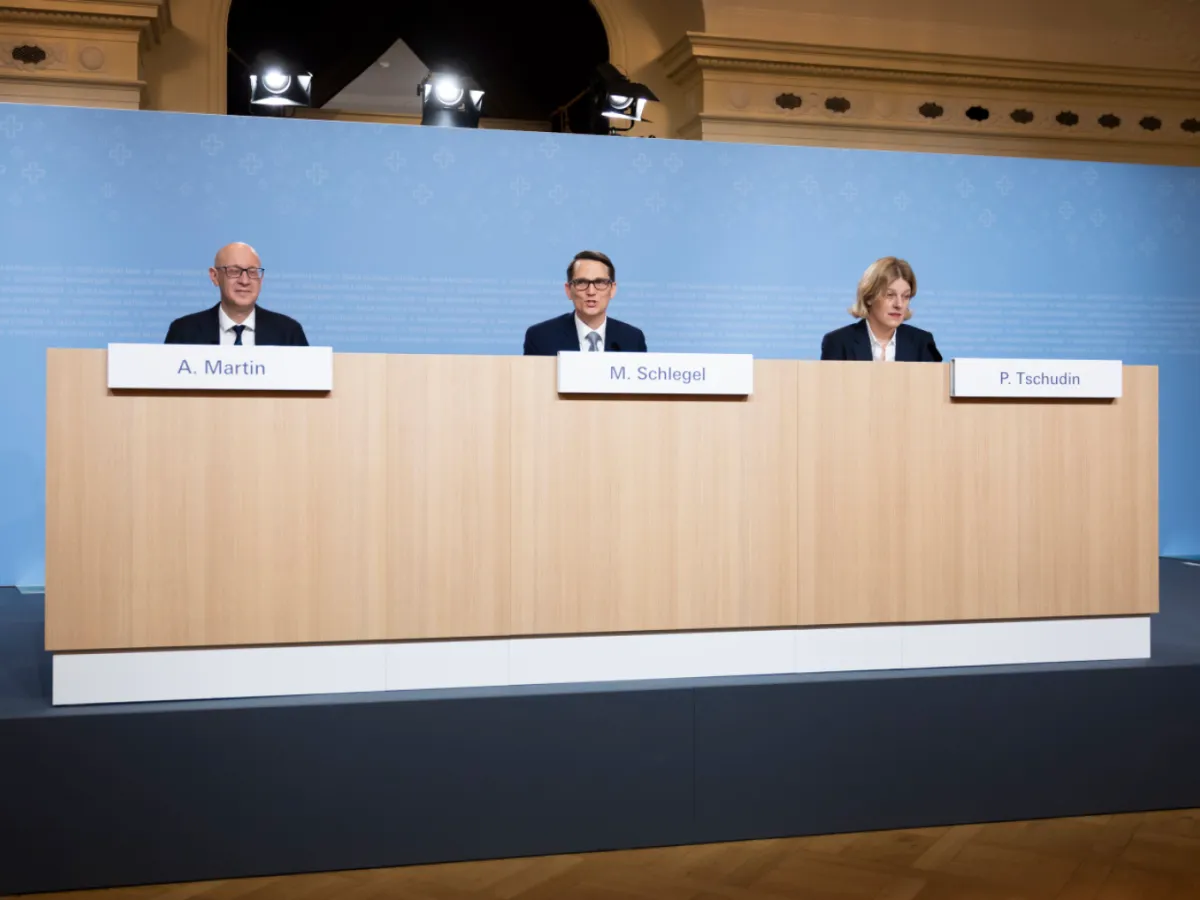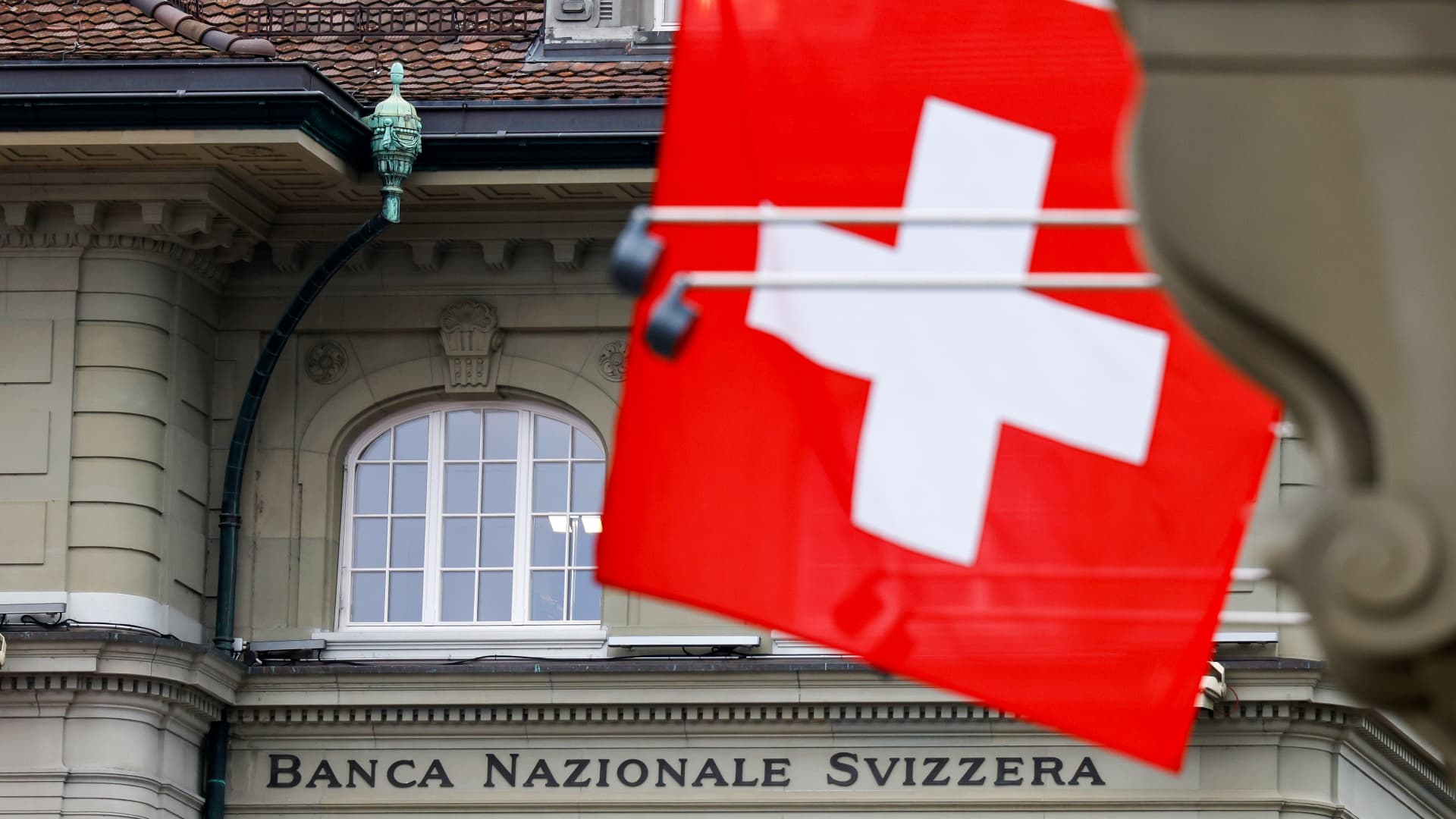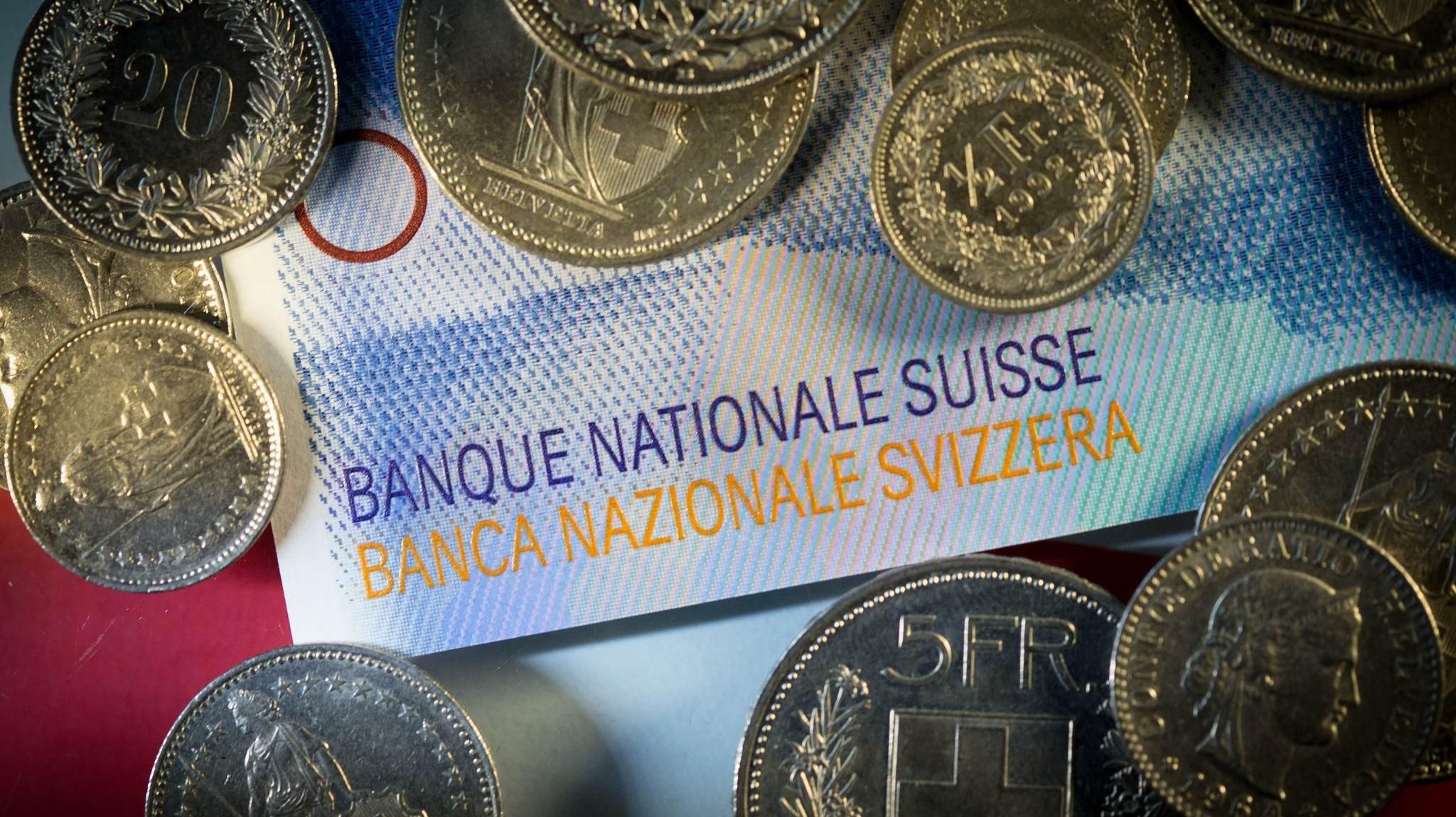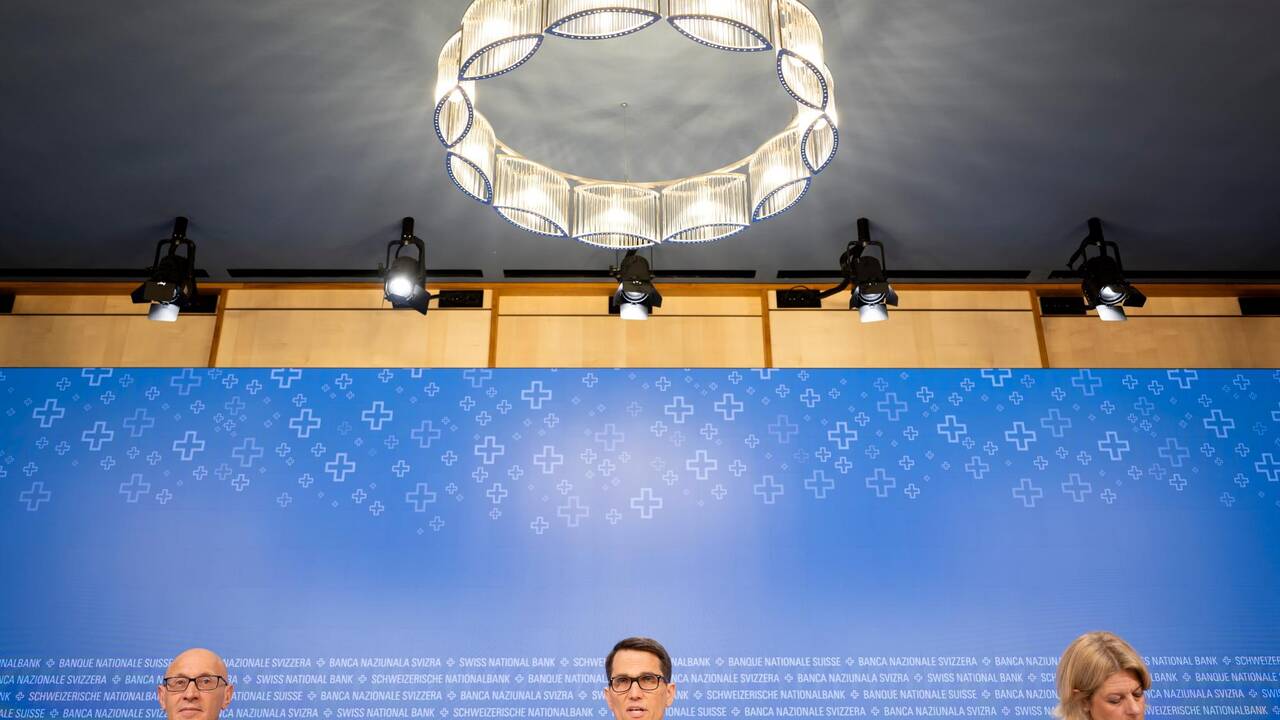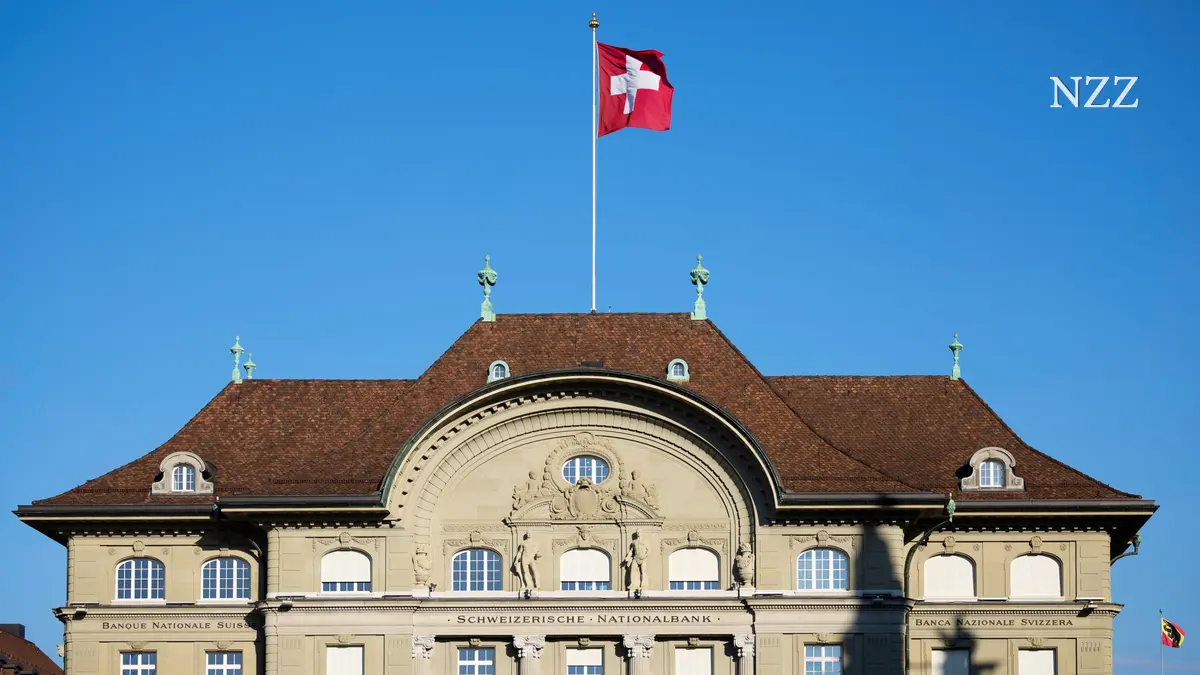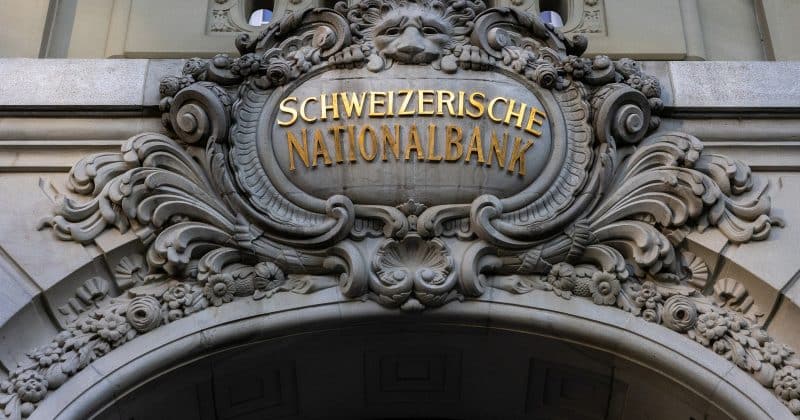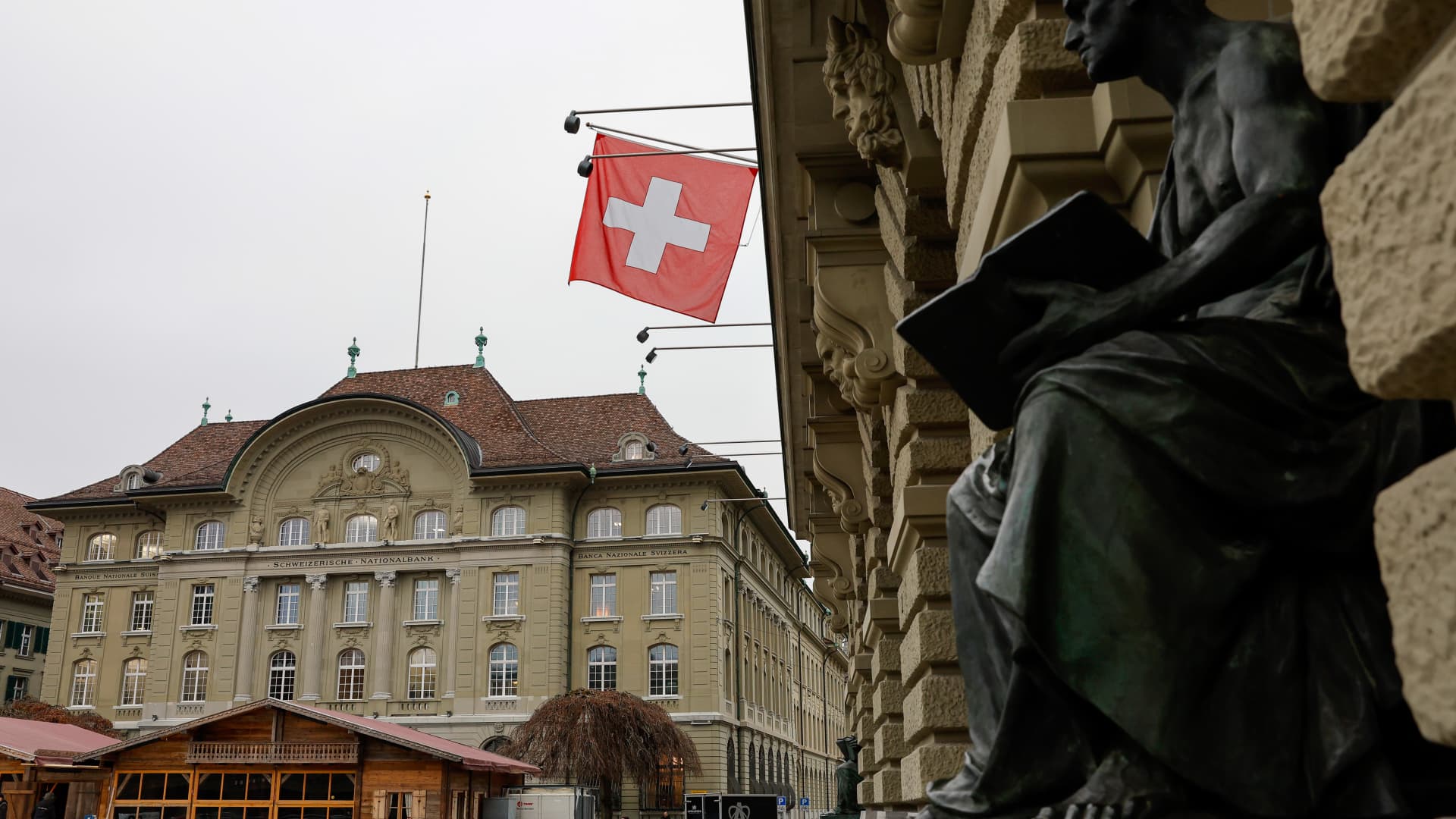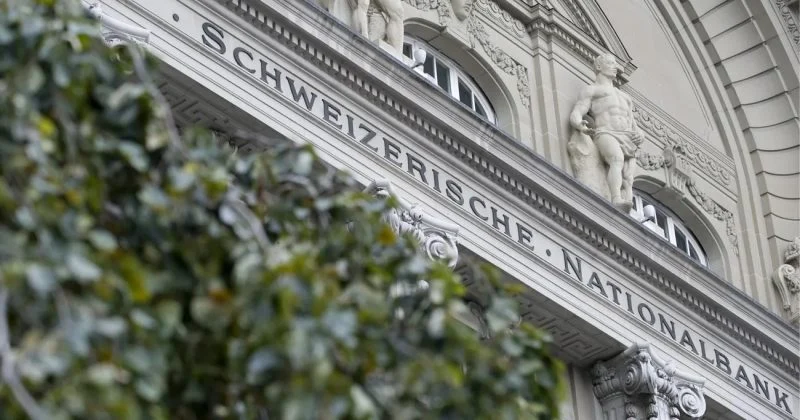
Switzerland’s central bank kept its policy rate pinned at 0% on March 19, choosing to fight the franc’s relentless appreciation with currency sales rather than dragging rates back into negative territory. It’s the third consecutive hold from the Swiss National Bank, closing a chapter of six rate cuts that ended in June 2025.
The decision itself wasn’t a surprise. What matters is the tool the SNB is reaching for next: direct intervention in foreign exchange markets. Rather than making it more expensive for banks to park cash, the SNB is prepared to actively sell francs on the open market to weaken the currency.
Why the franc keeps climbing
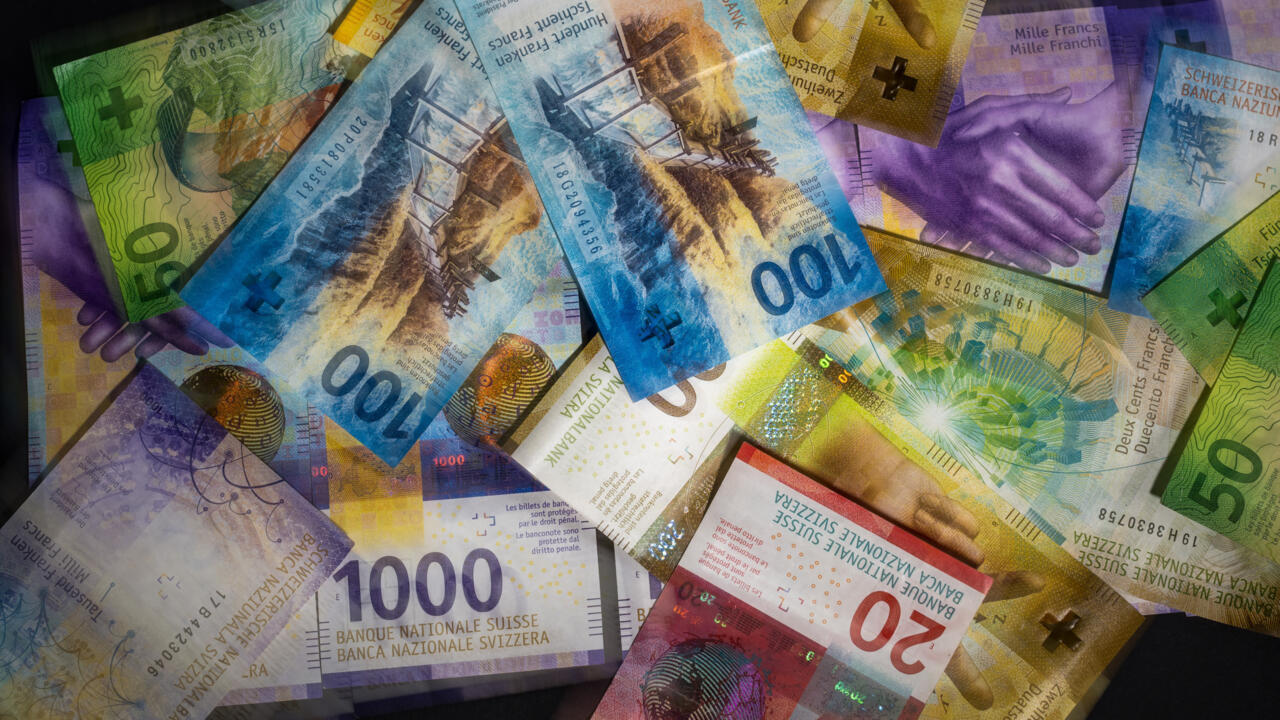
The Swiss franc is the financial world’s comfort blanket. When geopolitical tensions flare, from the Middle East conflict involving Iran to broader trade uncertainties, capital floods into CHF-denominated assets. That’s great for people already holding francs. It’s a headache for Swiss exporters, whose goods become more expensive abroad with every tick upward.
Inflation in Switzerland is forecast at just 0.5% for 2026 and 2027, and economic growth is projected at a modest 1% for 2026. The SNB currently charges a negative interest rate of -0.25% on sight deposits above a certain threshold. That mechanism remains in place as a complementary tool, but the central bank is clearly signaling that broader negative rate territory is not the preferred path forward.