Insider Brief
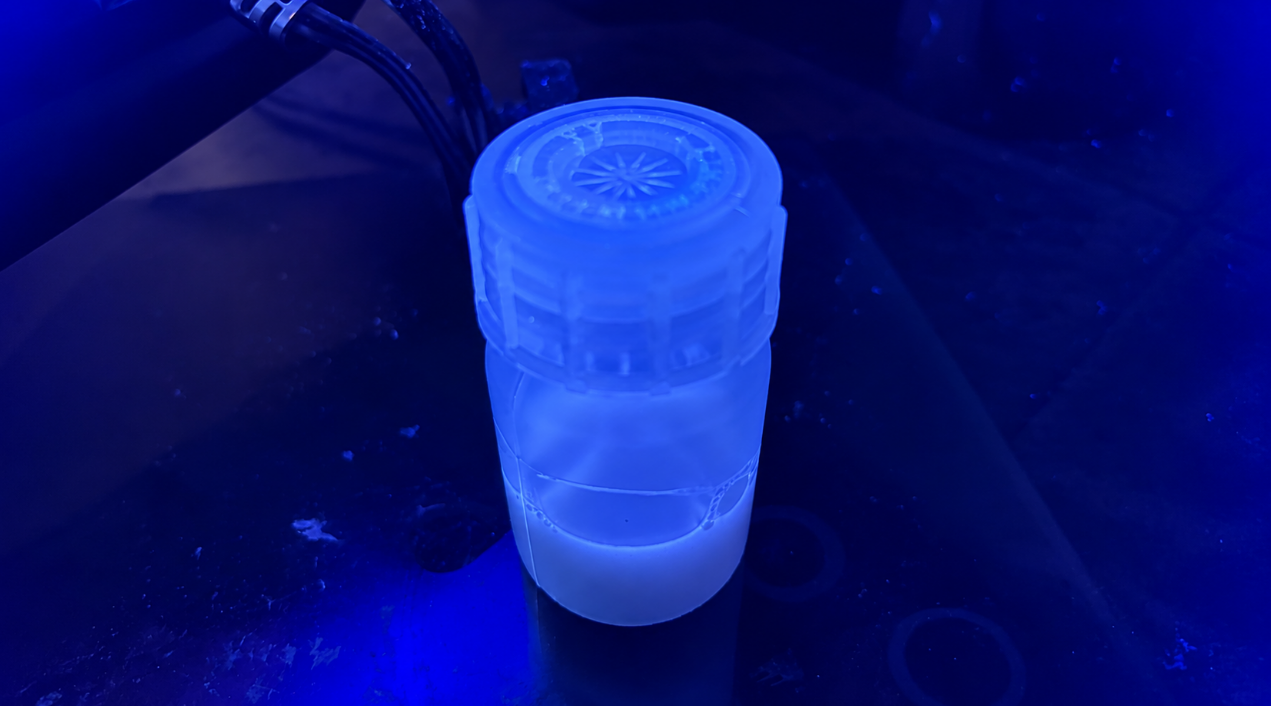
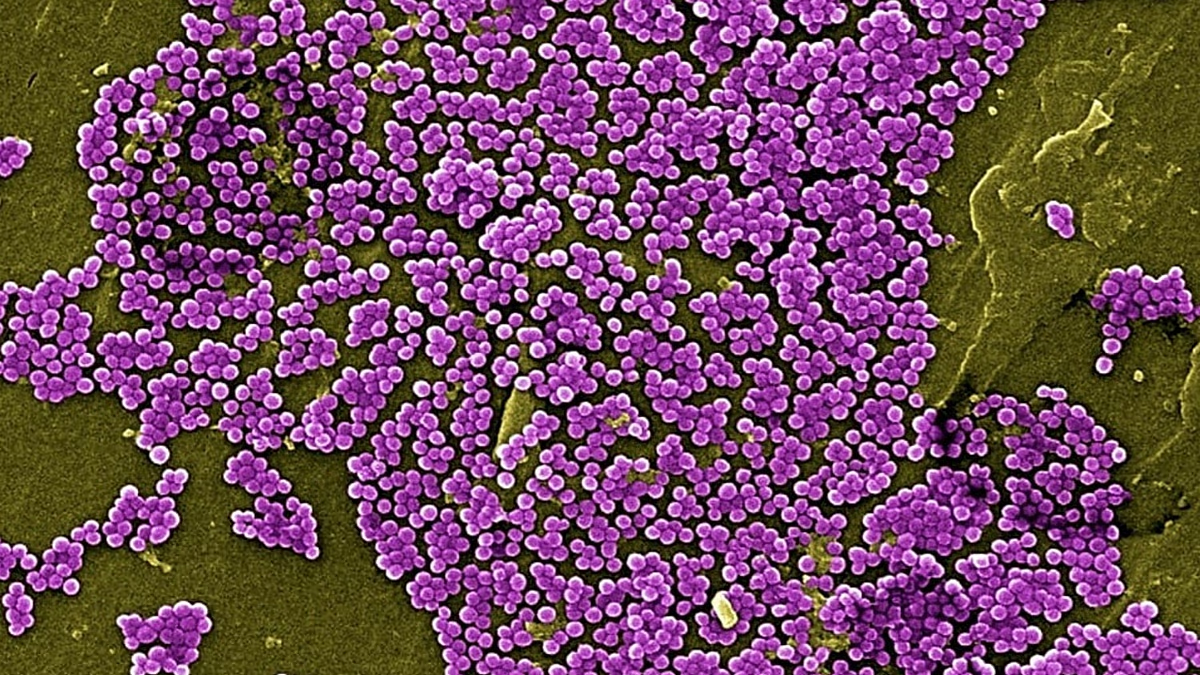
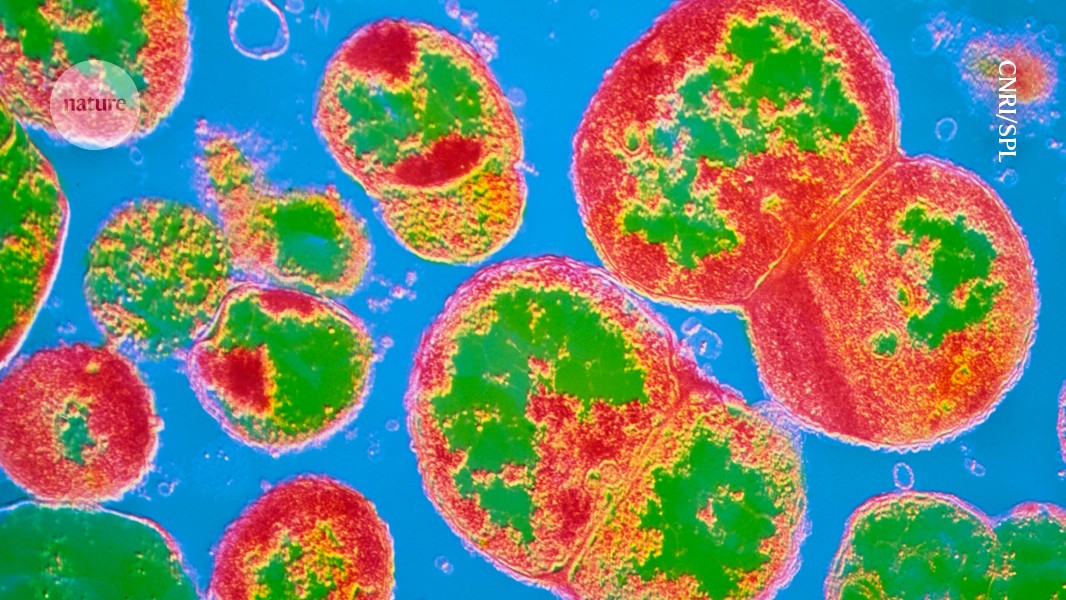
Researchers developed graphene-based quantum dots that eliminated more than 99.9% of antibiotic-resistant S. aureus and E. coli under low-intensity blue light without using conventional antibiotics.
The graphene quantum dots generate reactive oxygen species that damage bacterial cells while avoiding the toxicity associated with heavy-metal-based quantum dots.
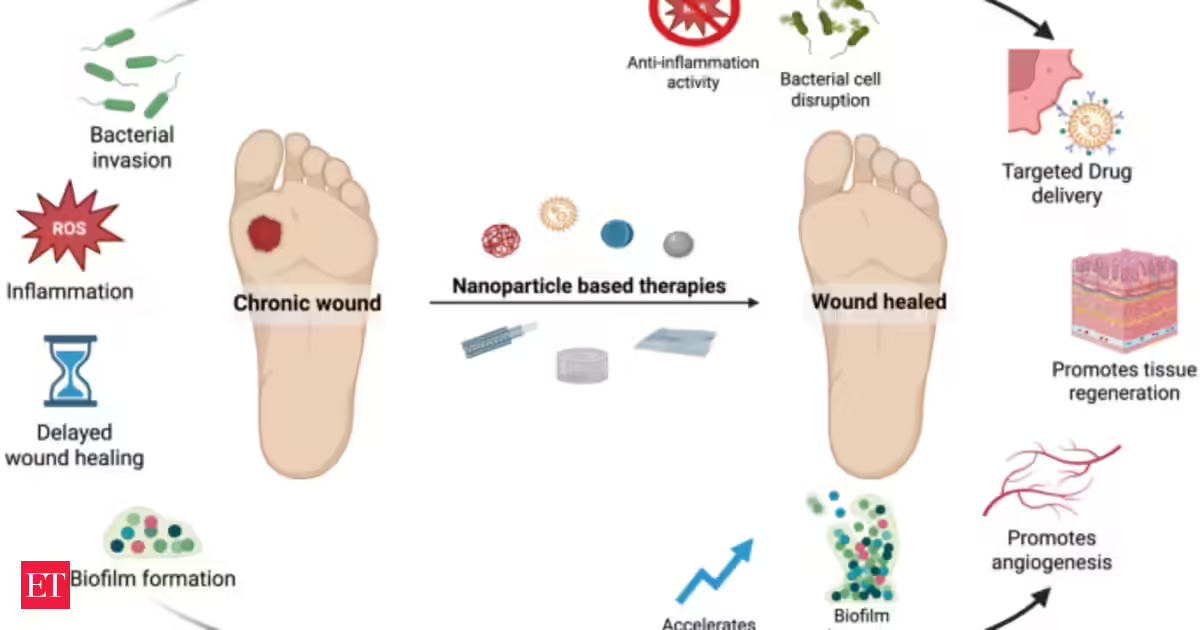
The technology could be used in wound treatments, medical coatings, and implant surfaces, though further animal and clinical testing is required.
Researchers have developed an antibacterial strategy using graphene-based quantum dots that eliminated over 99.9% of S. aureus and E. coli bacteria under low-intensity blue light, including strains resistant to multiple antibiotics – without the use of conventional antibiotics.