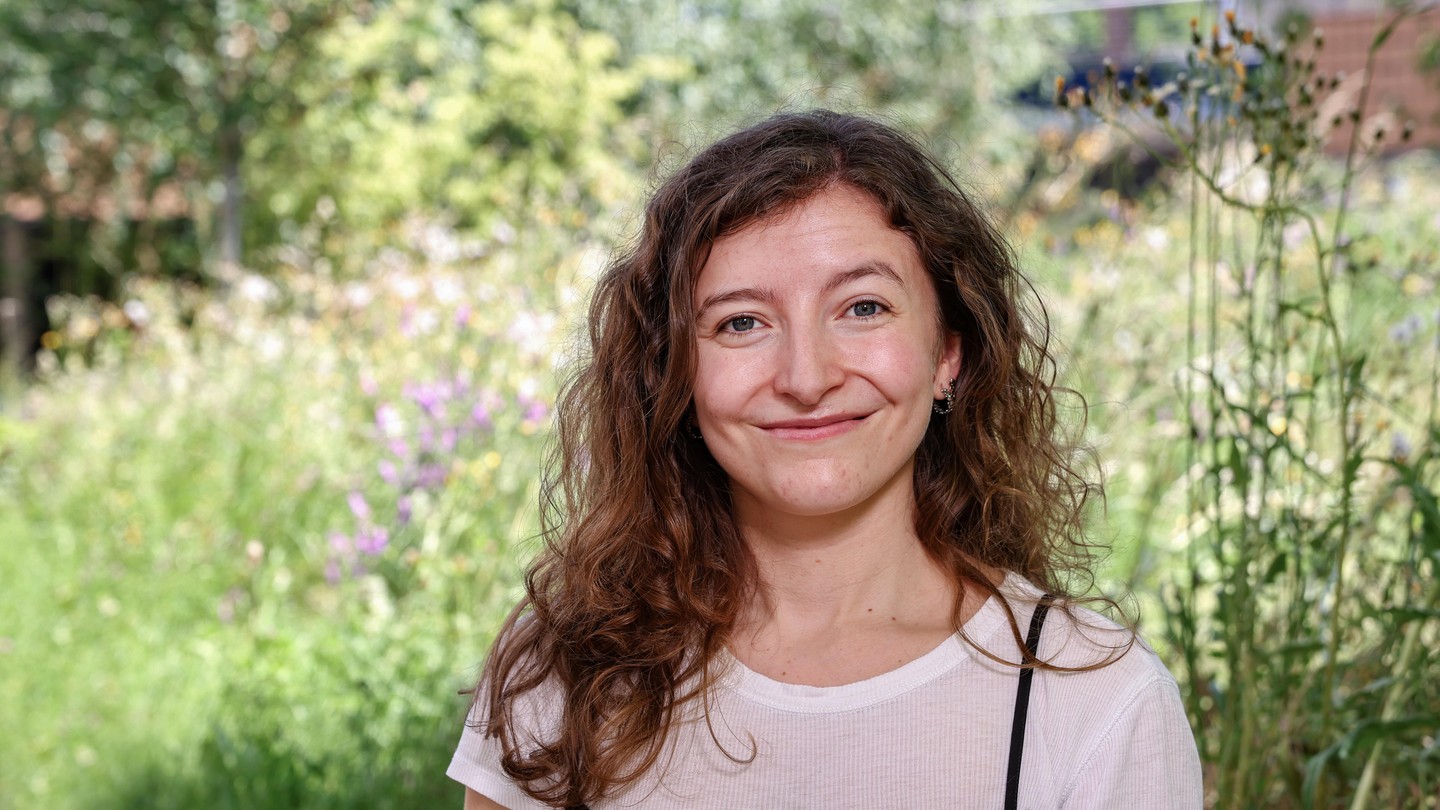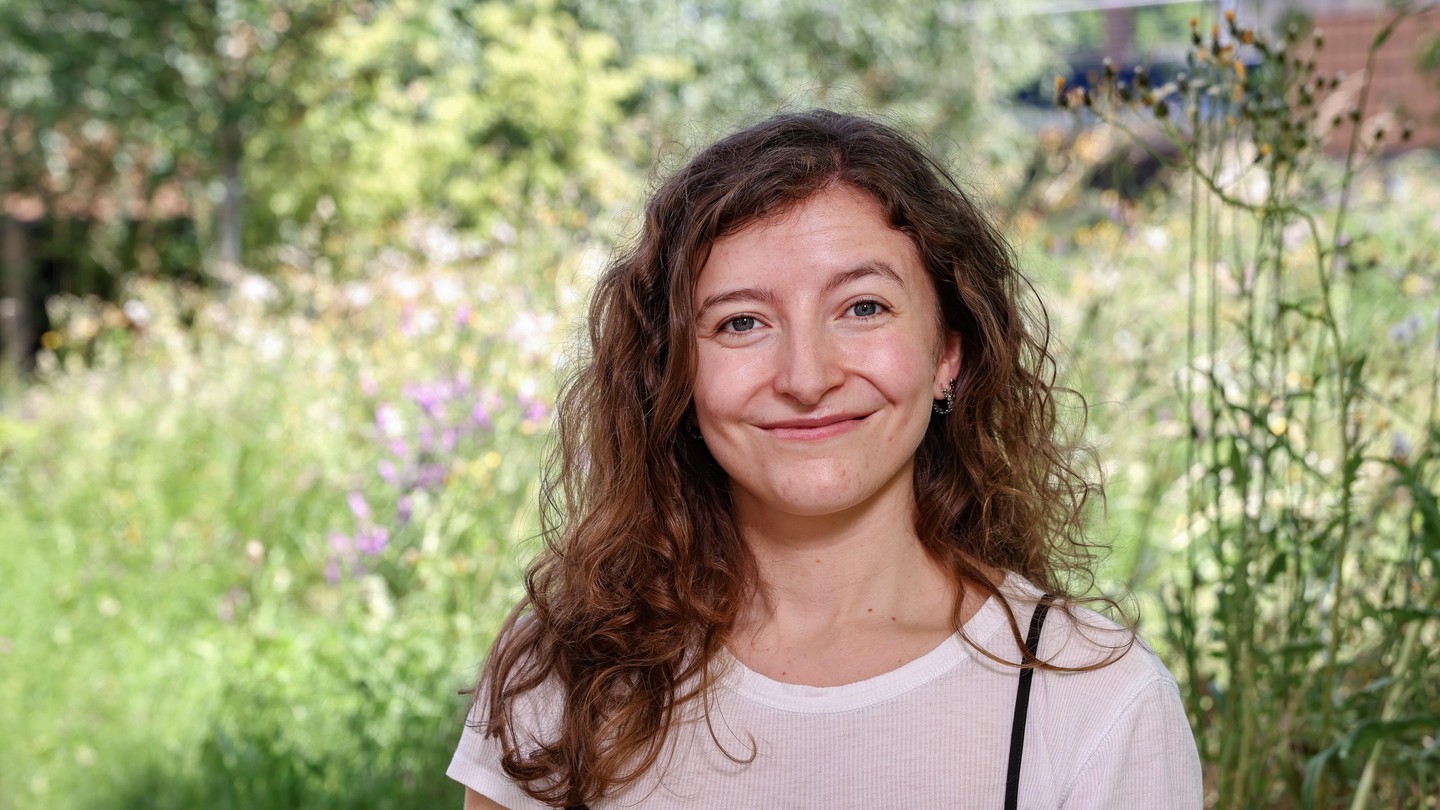
In this third interview for our "Mind to Mind" series, we spoke with Zoé Noble, head of the prevention team at AGEPoly – EPFL’s general student association – about mental health, stress and the resources you can draw on.Zoé Noble is a master’s student at EPFL’s School of Life Sciences who unexpectedly took over as head of the prevention team at the start of the spring 2026 semester. This role takes up a significant amount of her time, but she’s learned to manage her agenda better with experience.Can you tell us a little bit about your background?I grew up in Geneva, and when it came time to go to university, I wasn’t sure what I wanted to study. I initially signed up for law but ended up taking a gap year and then enrolling at EPFL. I chose to major in life science because I liked biology – I had attended EPFL’s information day for high-schoolers and saw a presentation given by a master’s student in biology who spoke very well and was also extremely funny. The first year was a little tough because the classes were about everything except biology. But later, when I started taking immunology courses, I realized I was in the right place.What led you to take over as head of the AGEPoly prevention team?It was actually a bit of random luck – the person who held the position last fall left for an internship. I had been on AGEPoly’s representation team in the second year of my bachelor’s degree and then did an exchange program at Lund University in Sweden where I joined a student association addressing issues related to sexual health and inclusion of the queer and LGBT community. So the AGEPoly committee thought I would be a good fit to lead the prevention team.What’s the team currently working on?I was really lucky with the timing here, too! I continued an initiative that the two people who led the prevention team before me started last year in conjunction with EPFL’s Well-Being and Inclusion department and the Polyquity association. We developed a training session that all new first-year students will take. It explains how to respond to unacceptable situations and work together effectively in highly stressful environments like those at an engineering school and in engineering careers. It was just so interesting to work with EPFL, developing the content and thinking about how we could best communicate on such an initiative.The School introduced another initiative recently that we’re also involved in – setting up a new Mental Health Council to discuss the various steps EPFL is taking in this area. It’s great to be able to contribute to the debate!How are you able to juggle your demanding coursework with these extracurricular responsibilities?I started using an electronic agenda and have found it’s really helpful to be able to block out time during the week for my coursework and AGEPoly. It’s not easy to find enough time for both, but I’m learning many skills I wouldn’t obtain from my degree program alone. The main thing I’ve lost is spontaneity. I always have to check my agenda when someone asks if I’m available during the week, and whatever they’re asking about often gets pushed to the following week.What sort of stress have you experienced as a student?When I first started my bachelor’s program, I thought that I had to deal with my problems by myself. I often wondered how I’d get through. I felt stuck and didn’t really know how to move forward. And the more I got sucked into this loop, the more I ended up procrastinating – which only made the problem worse. Class exercises are a perfect example. You think you’re the only one who has trouble with them, so you put off working on them. And that only makes things worse because you find yourself with less time to study for exams. The biggest lesson I learned in my first year was that you need to reach out for help, because resources are available and you’re never truly alone with your problems. You can turn to teaching assistants, study partners, friends or classmates at the exercise session. You really shouldn’t hesitate to ask for help.When did things change for you?When I stopped telling myself that everyone else was so much better than me and that I’d be judged. I’m lucky to have met the people who I ended up studying with a lot. And we’re all in the same boat. Very few people actually judge someone who doesn’t get something right away.What about the stress related to your work at AGEPoly?I think it’s also related to procrastination and the sense that you don’t have enough time to do everything you want. My work at AGEPoly taught me that it makes much more sense to complete a task as soon as you can, or at least get started, or divide it up into smaller to-dos so that you’re always making progress on a project. The longer you put things off, the harder it gets.How do you hold it together?By taking real breaks. Before – and this also relates to the feeling of being judged and comparing myself with others – I thought that I didn’t apply myself as hard as other people because I didn’t study at night. But it’s simply impossible for me to study after 8pm, or sometimes even after 7pm. So I do other things instead: I read, make dinner or tidy up my apartment, for example.Is there something specific that helps you, like a special place, music or an object?I always have a book with me. Even if my bag is already heavy, I make room for a book. I love to read during the breaks when I’m working or on the subway. I usually read contemporary fiction – about everyday life – and sometimes science fiction.What advice would you give to new EPFL students? I asked some of my friends about that and a lot of them said the same thing: find a group of classmates or a study partner to work with. It’s very helpful to have someone you can bounce questions off of or discuss particularly challenging problems with. Even if it’s just to set a study date at the library – that forces you to show up. Another piece of advice is to keep some sort of social life in your first year. That could involve going to coaching and mentoring events, for example, if only to meet other people, chat and relax a little.If you could change something at EPFL, what would it be?There are a lot of things I like about EPFL. You learn about many different subjects, but that also means you have to take a lot of classes at the same time and the pace is pretty intense. So I think it’d be good to tweak the degree programs so that students have a little more time to really grasp the material.What are some of those things that you like about EPFL?I think what makes EPFL stand out from other Swiss universities is its student associations – the fact that AGEPoly is so active, that the coaching program is so big and that there’s so much diversity among the student clubs. It’s amazing – there’s truly something for everyone. It’d be a real shame if these associations struggled to keep going, since they’re what really lets students do something different and not be so self-reliant. Sometimes it can feel like your identity is based exclusively on your academic performance. Associations and sports give you a chance to get involved in something else. That way, you’re not totally devastated if you happen to get a bad grade on something.
“You're never truly alone with your problems”
In this third interview for our "Mind to Mind" series, we spoke with Zoé Noble, head of the prevention team at AGEPoly – EPFL’s general student association – about mental health, stress and the resources you can draw on.
1,285 words~6 min read