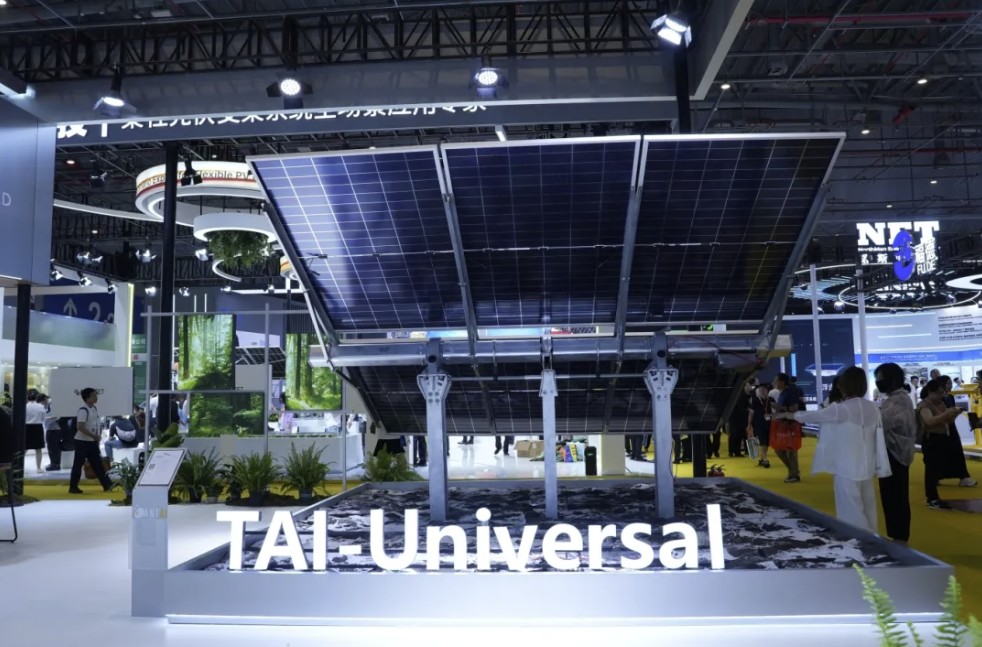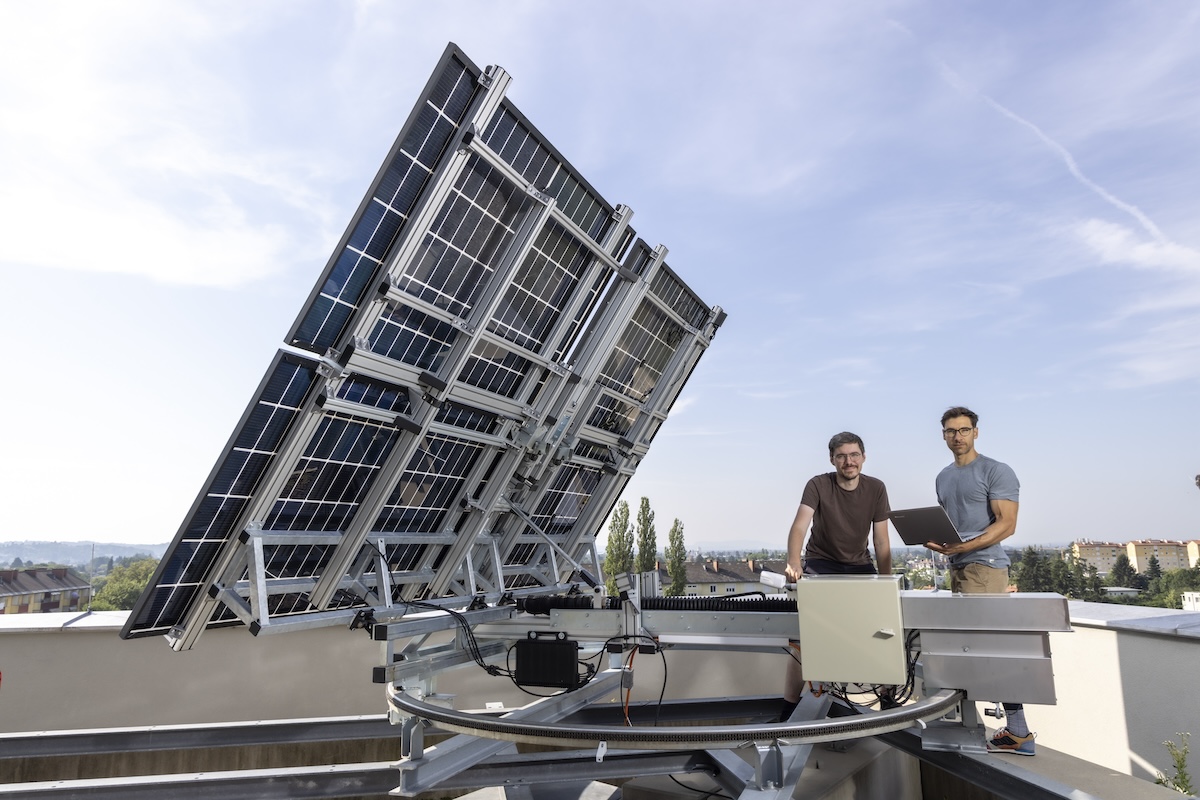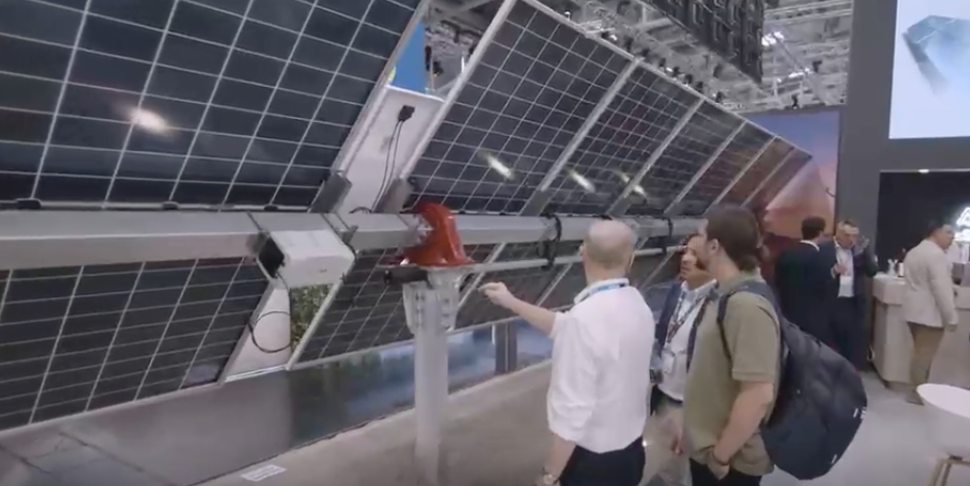
A study in solar tracker pneumatic actuator design for harsh environments has raised average efficiency of a test panel using one axis and a single actuator by 62.3 %, and 66.4% using two axes and two actuators, which an Australian distributor confirms as best practice for some rural and outback installations.
A study run by the University of Technology in Baghdad, Iraq, has tested solar tracker pneumatic actuator design for harsh environments raising average efficiency by 62.3% and 66.4% respectively on a test panel using one axis and a single actuator, and two axes and two actuators.
Sydney-headquartered distributor of pneumatic technology for industrial actuation Air Springs Supply Technical Products Manager Vinh Lam said all the advantages that the engineers conducting the study found, apply to Australian conditions.
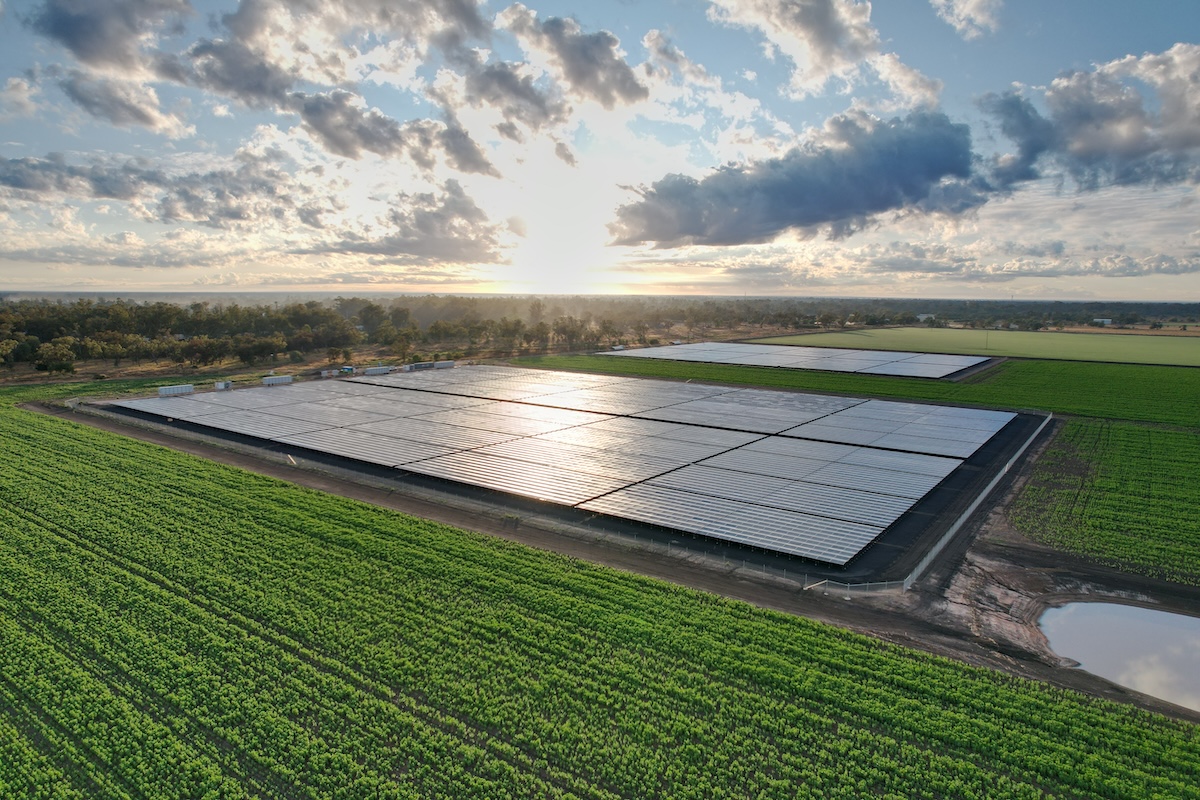
“Air spring actuators are well suited to a wide range of urban and rural solar actuation applications, and especially well-suited to rugged isolated conditions, such as mines and outback solar farms, or to rooftop applications, where users prize maintenance-free durability and long service life,” Lam said.
Rubber-and-fabric air springs operate on standard industrial compressed air and used in applications such as suspensions of 100-ton trucks or pneumatic solar tracking.