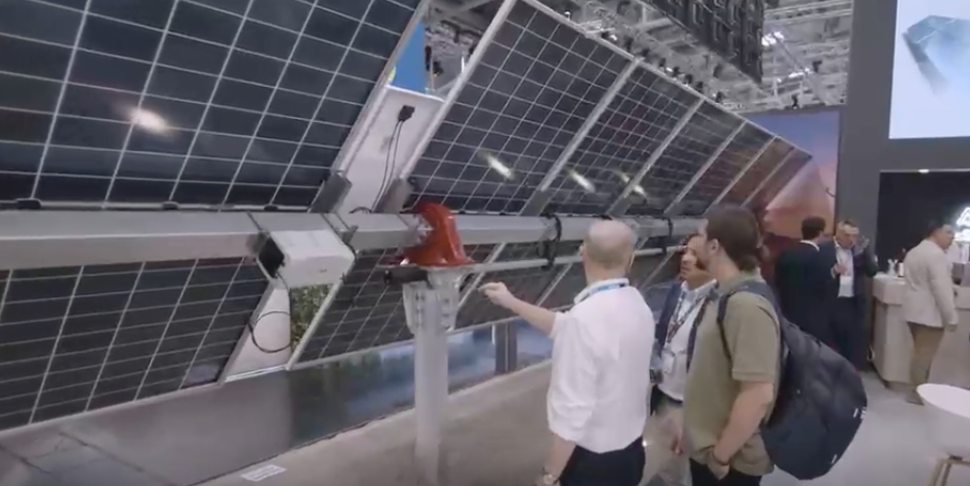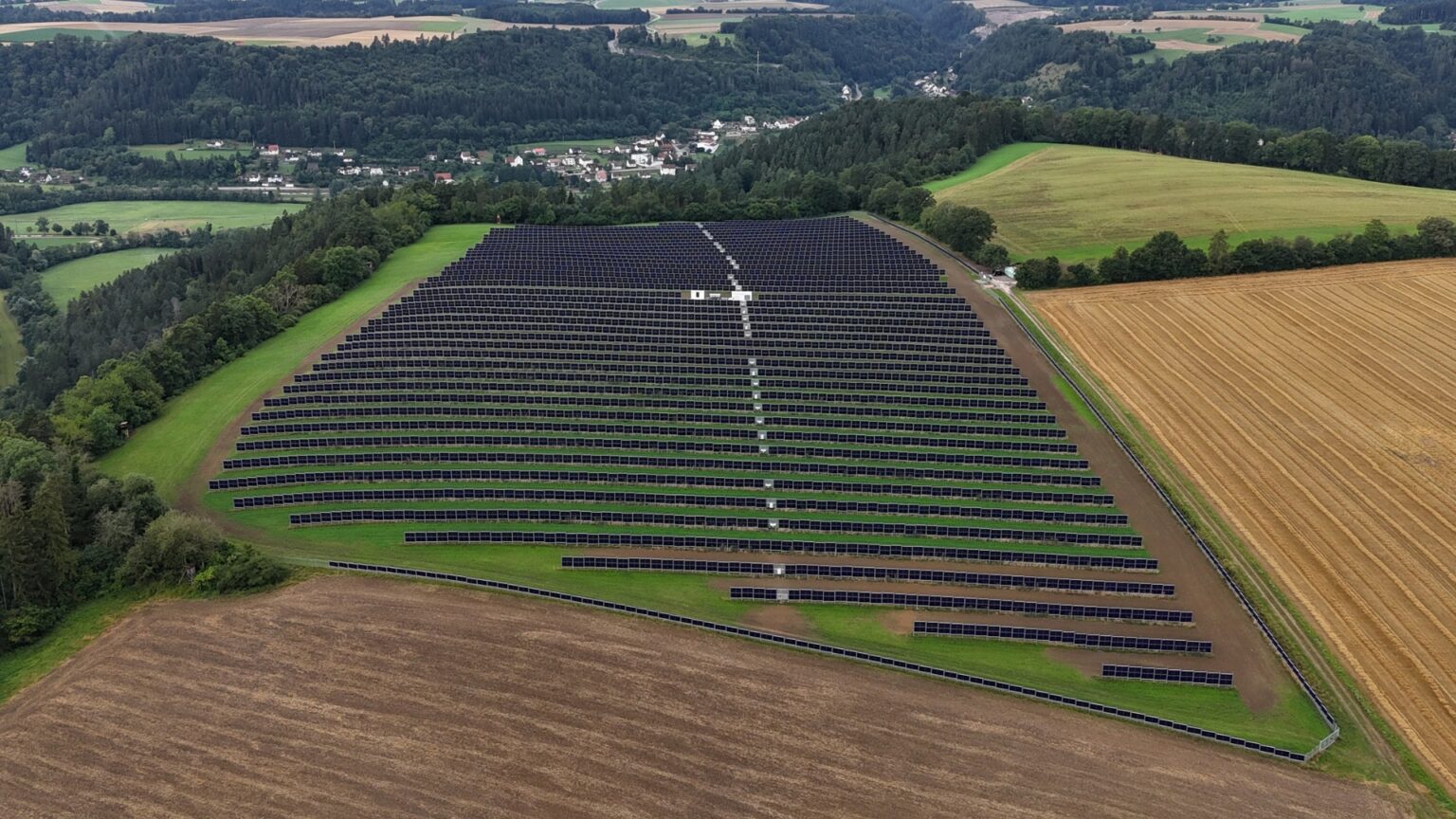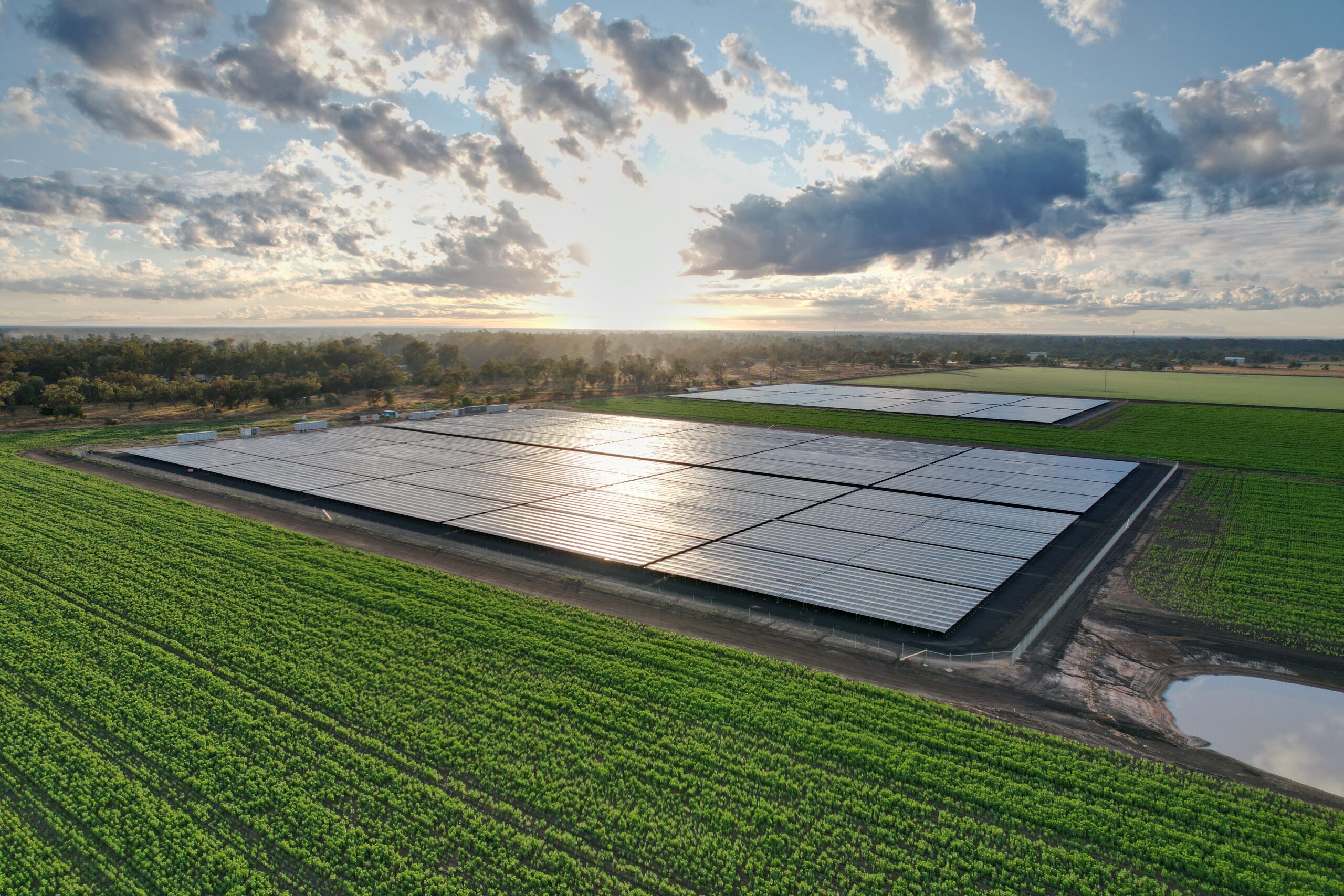
While single-axis trackers are often regarded as the lowest-cost option for utility-scale PV, Jurchen Technology’s Henner Jahnke argues that falling module prices and rising balance-of-system costs are reshaping the economics of large-scale solar.
A frequently cited analysis by Wood Mackenzie concludes that single-axis trackers (SAT) represent the most economical system configuration for many utility-scale photovoltaic projects. This assessment is based primarily on the higher specific energy yield achieved by tracking the sun. However, in light of today’s cost structures, market dynamics, and system constraints, a more differentiated evaluation appears warranted.
From module yield to whole-system economics
For many years, the economic rationale was straightforward: modules accounted for the largest share of total system costs. It therefore made financial sense to maximize the number of kilowatt-hours generated by each installed module. The 15% to 25% yield uplift typically attributed to trackers justified additional steel, mechanical components, wider row spacing, and more complex installation and maintenance.
Today, the situation has changed significantly. PV modules are still available at historically low prices, while steel, civil works, logistics, labor, and financing costs have gained relative importance. As a result, the key optimization metric is shifting away from “yield per module” toward the economics of the overall system – in other words, the efficiency of total capital deployed, land-use efficiency, the risk profile, and the practically usable energy yield (and revenue) per installed megawatt.