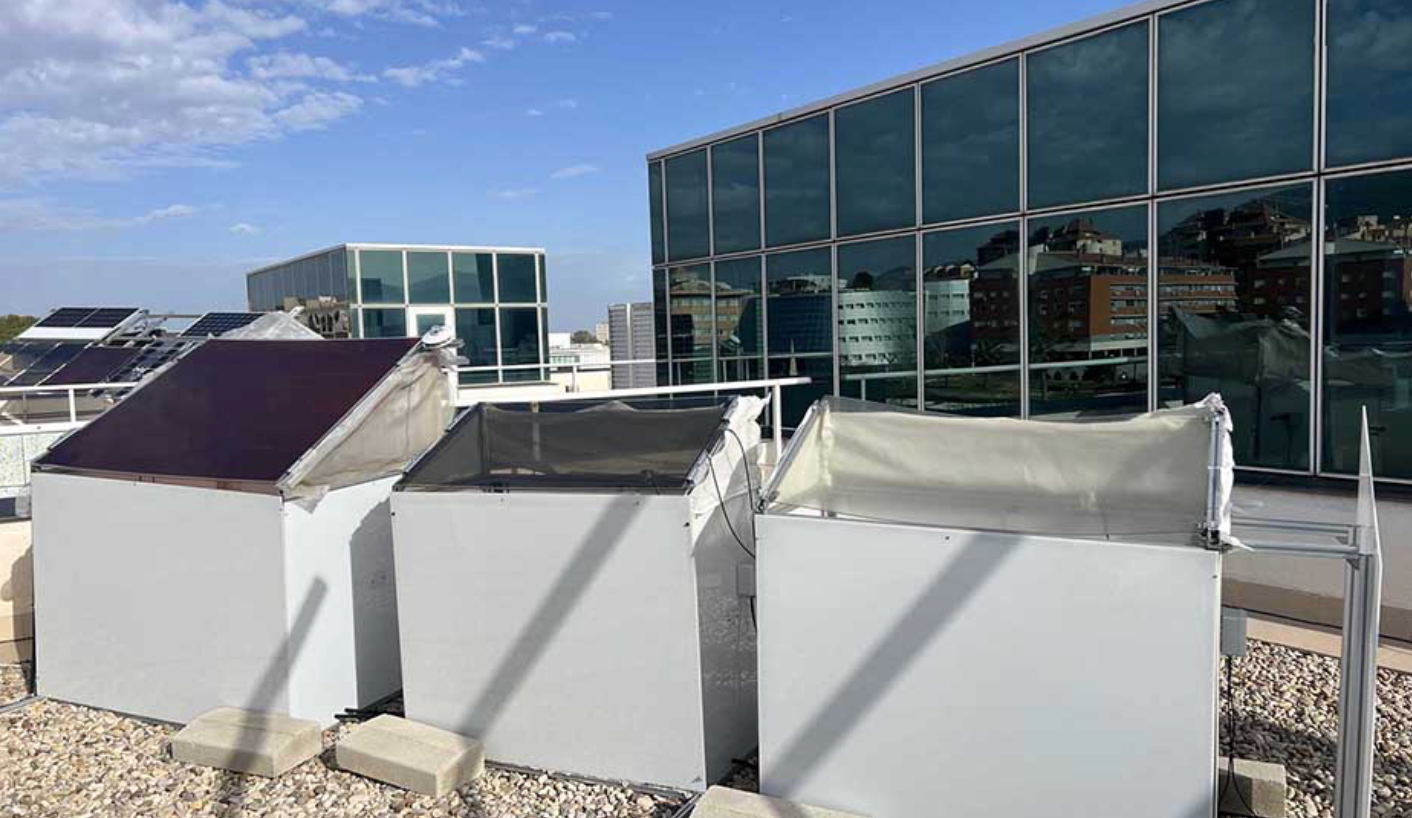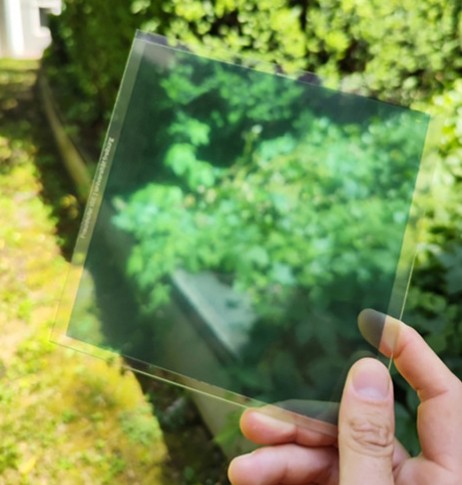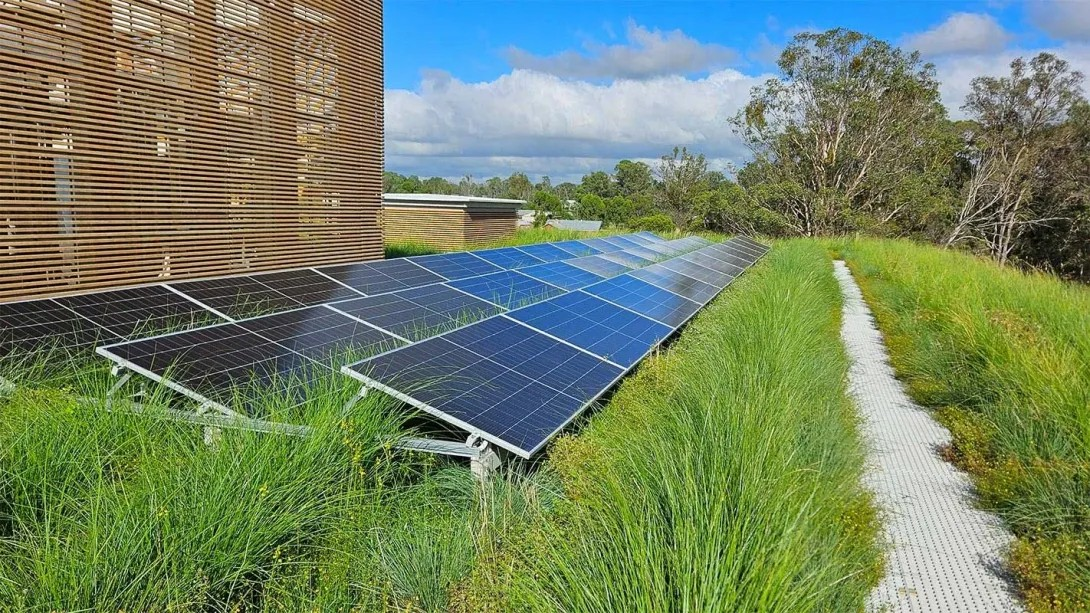
An international research team has developed an optimized semi-transparent PV greenhouse design that increases solar electricity generation by strategically allocating PV surfaces to south-facing roofs and walls. Using an improved optimization algorithm, the design increased annual energy output by 20.1% and outperformed conventional greenhouse geometries by up to 56.86%.
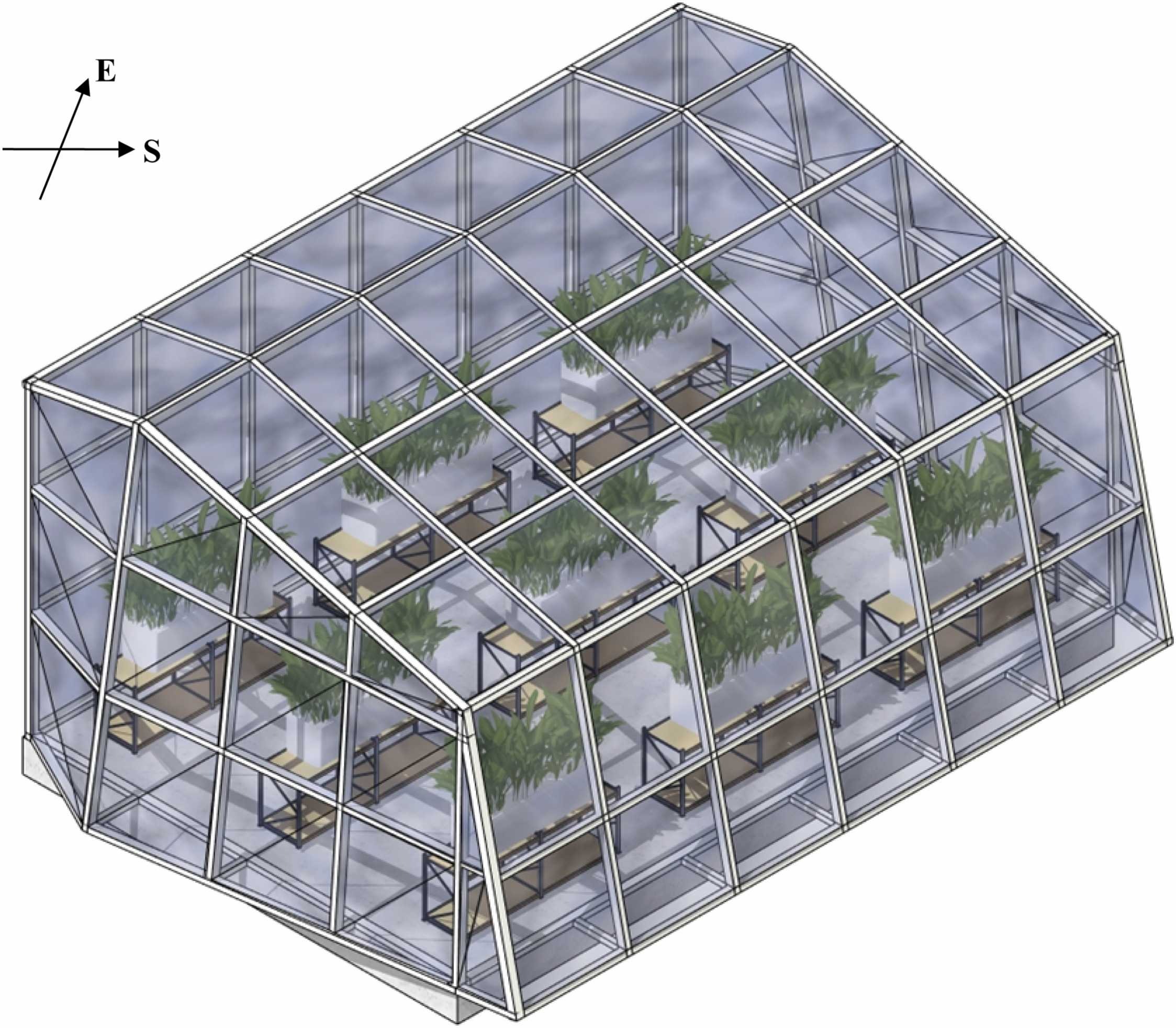
A research group led by scientists from Qatar University has proposed a new design for a semi-transparent photovoltaic (STPV) greenhouse. The researchers optimized the greenhouse geometry to increase electricity generation while maintaining constraints such as total floor area and STPV coverage.
“This study introduces a novel greenhouse design that focuses on maximizing solar energy capture on the south-facing sections and wall surfaces, specifically tailored for the climatic conditions of Qatar,” the researchers said. “The new design is evaluated and compared with common greenhouse configurations, while maintaining constraints such as equal total floor space and STPV area. This ensures that the proposed design effectively optimizes solar energy reception without compromising space requirements.”
The scientists assessed the energy performance of five greenhouse geometries: even-span, uneven-span, vinery, modified-arch, and their proposed design, which assigns a larger share of the STPV surface to south-facing roof sections and vertical walls.