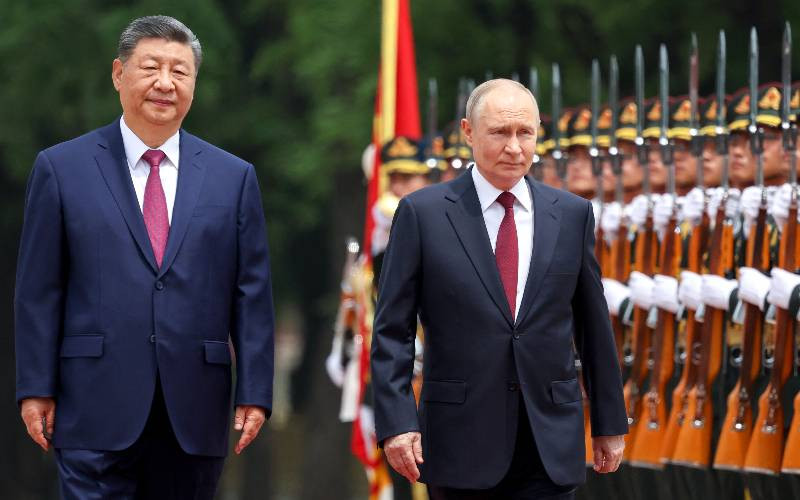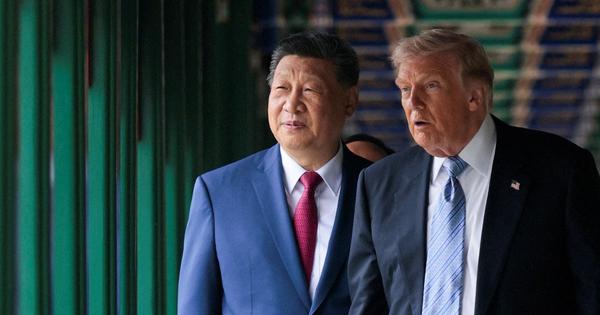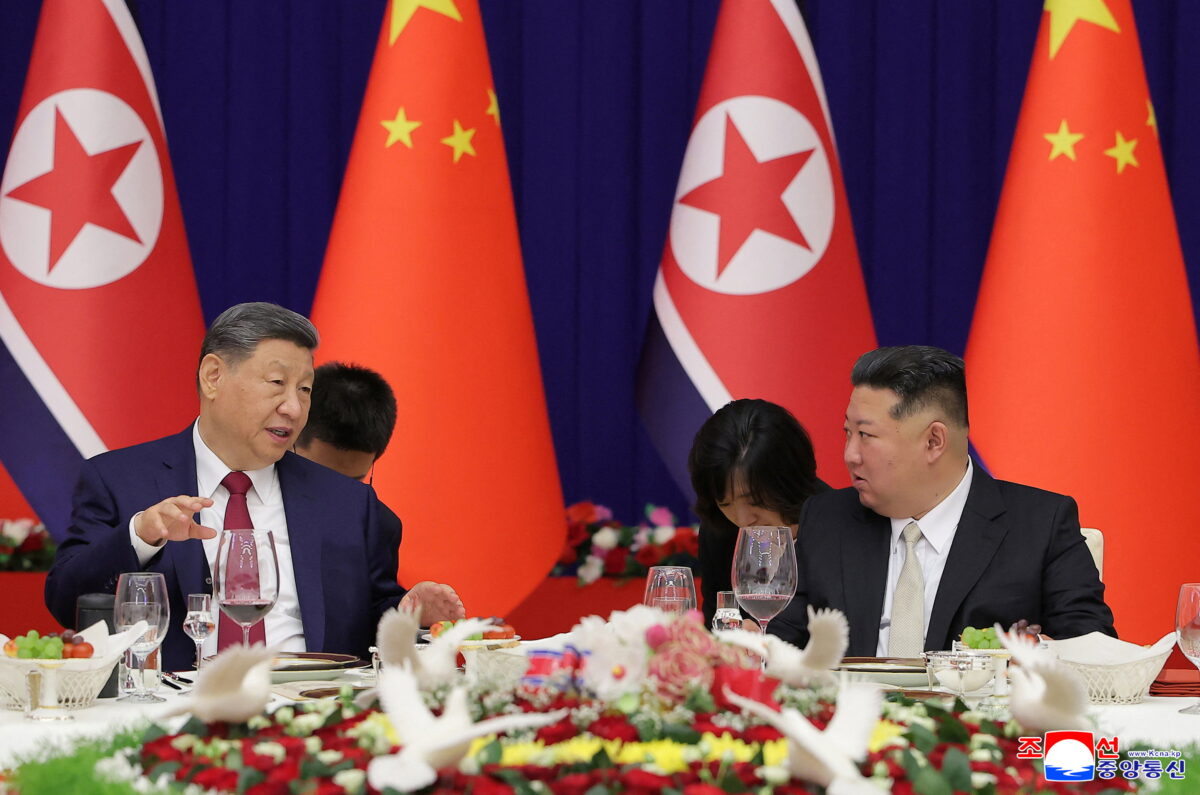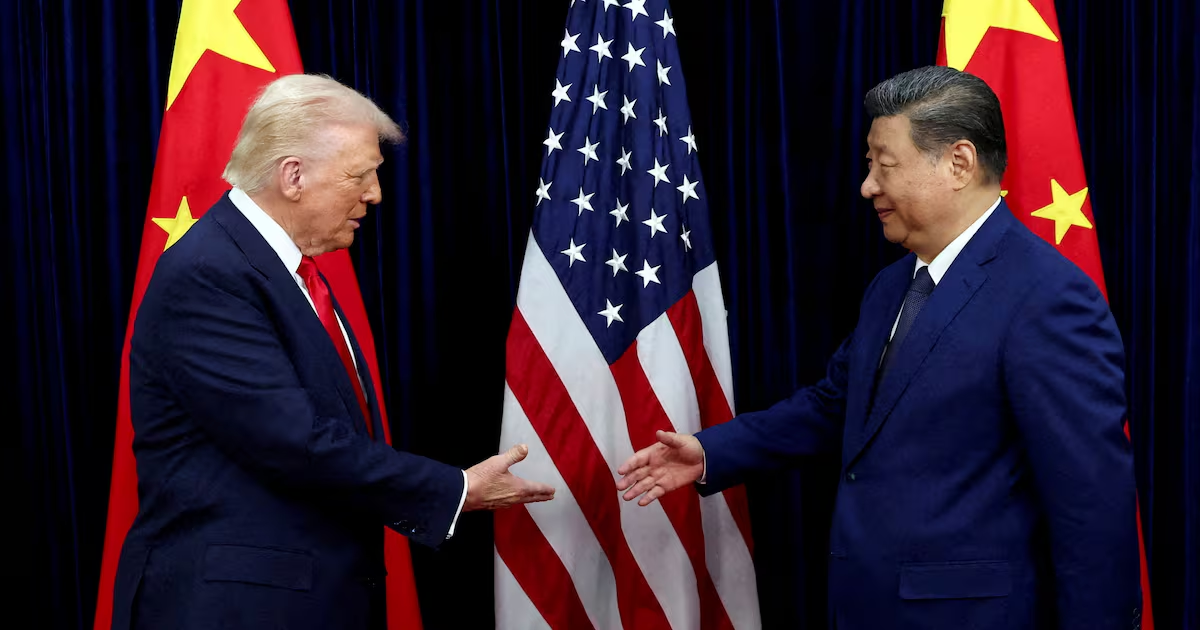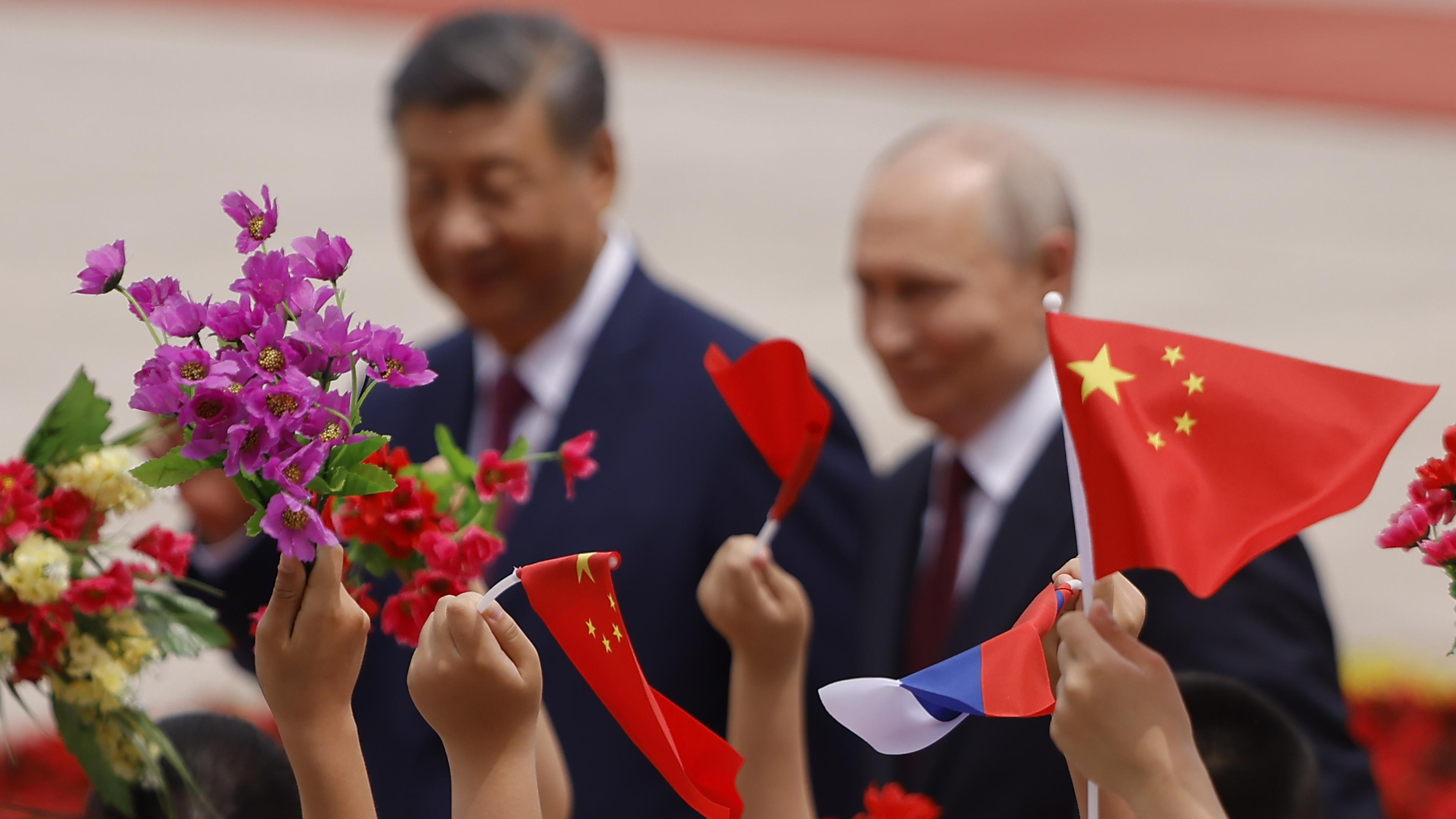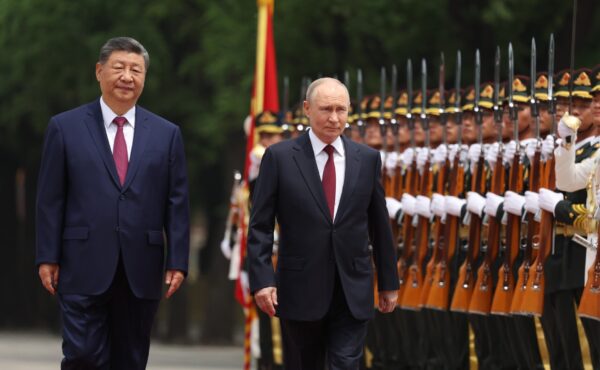
The sight of world leaders flocking to Beijing has become one of the major diplomatic images of the first half of 2026. The visits by U.S. President Donald Trump and Russian President Vladimir Putin, coming only days apart, gave this narrative a powerful ceremonial form, but Xi Jinping’s subsequent trip to North Korea exposed its limits: China’s centrality does not mean a fixed center to which others invariably come, nor a new world order that others simply accept.
Beijing may easily find common ground with the major powers while also accommodating smaller partners with their own priorities and alternative views. Modern China is best understood as one of the global system’s most important crossroads rather than its command center. More routes pass through Beijing, though their destinations are often determined by the actors themselves.
At the Center, but Not in Control
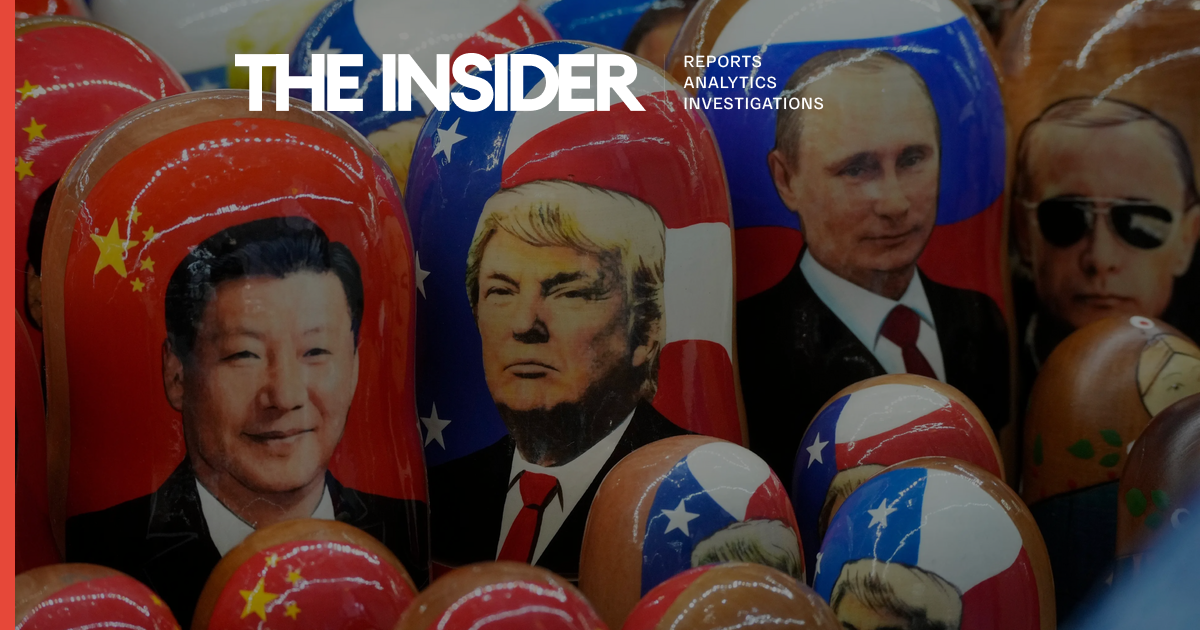
China’s current international posture is clearest in its relations with the United States and Russia. Beijing has become indispensable to their interactions, but still cannot single-handedly shape China-U.S. competition, the China-Russia partnership, or the dynamics of the triangle as a whole.
The May visits to Beijing by the U.S. and Russian leaders was almost inevitably interpreted as a sign that the classic geopolitical triangle had been turned upside down, with China taking the top spot and the United States losing its former role.