Audio By Vocalize
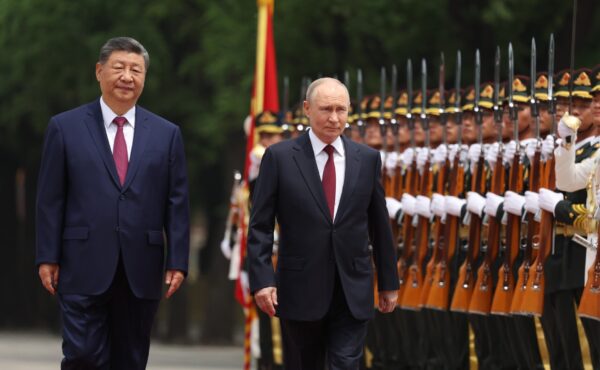
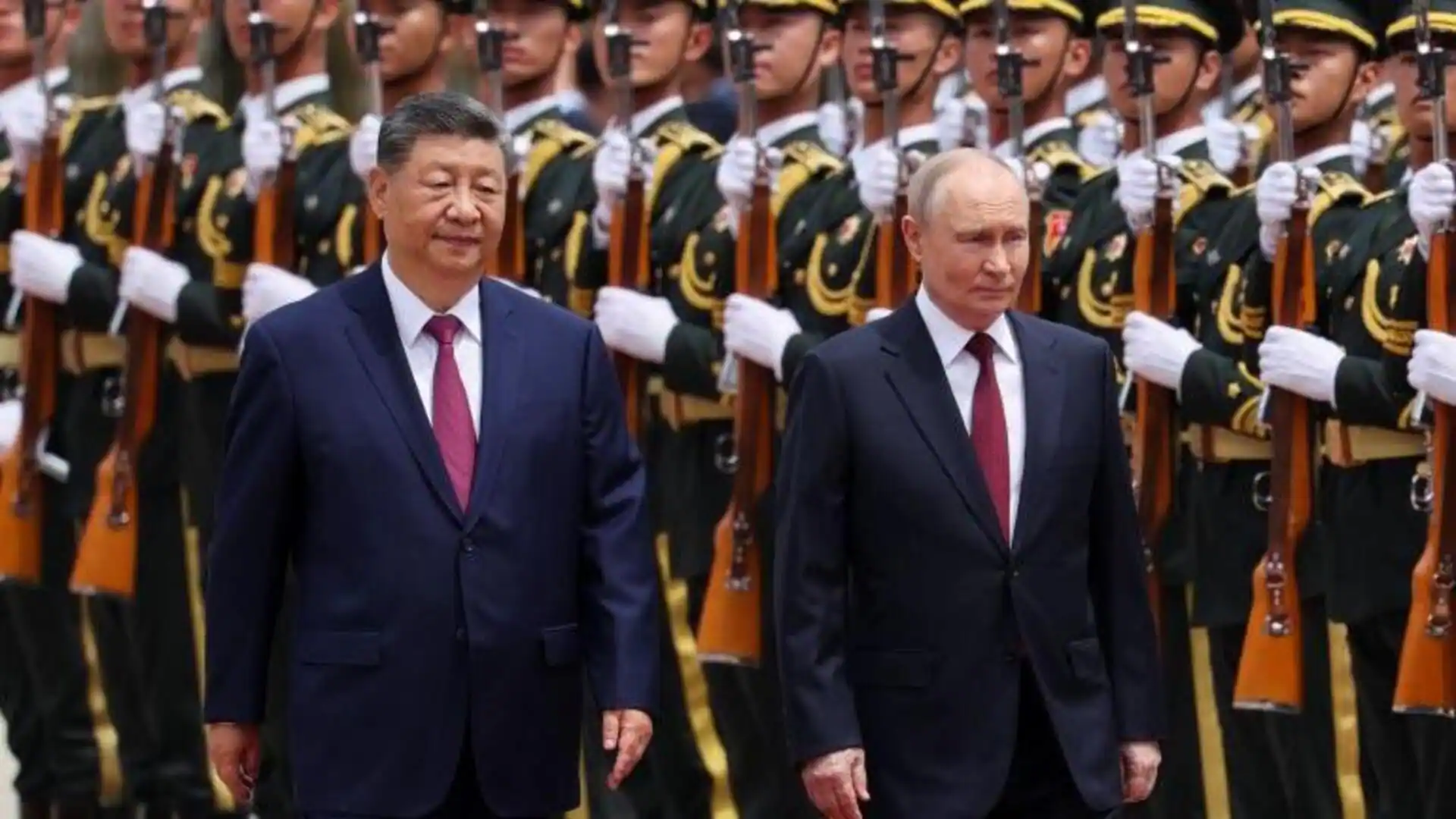
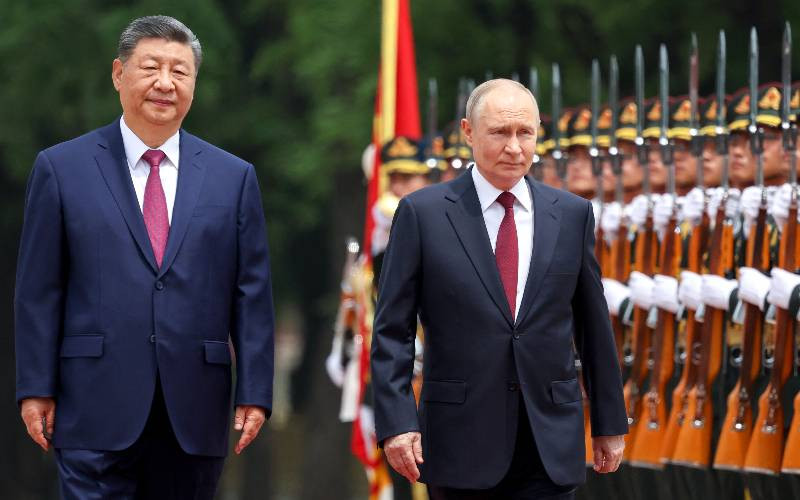
China's President Xi Jinping and Russia's President Vladimir Putin inspect a guard of honour during a welcome ceremony at the Great Hall of the People in Beijing, on May 20, 2026. [AFP]
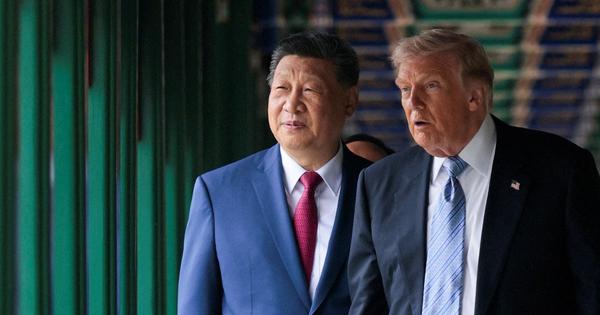
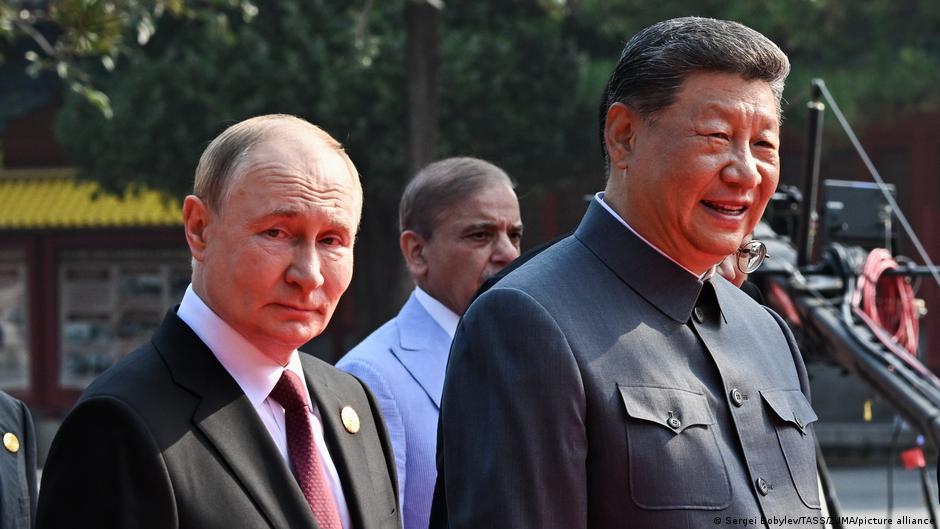
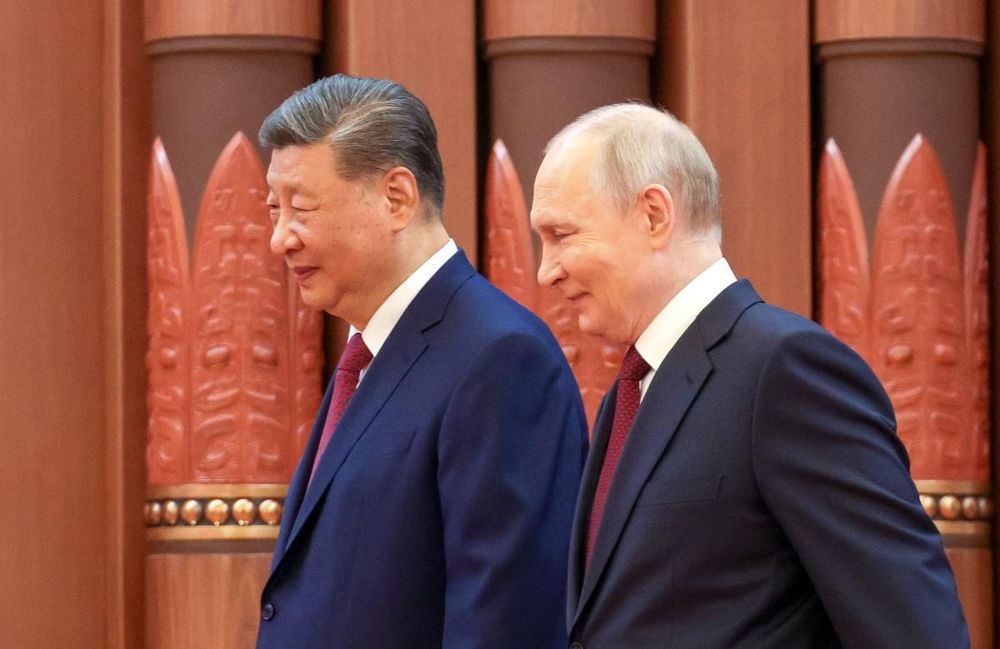
In recent weeks, China has hosted several global leaders, including US President Donald Trump and Russian President Vladimir Putin, as well as senior officials from Africa, Asia, the Middle East, and Europe. These engagements reflect China’s growing influence as a major economic, industrial, technological, and diplomatic power. Through initiatives such as the Forum on China–Africa Cooperation, held every three years to strengthen trade, infrastructure, industrialisation, and investment partnerships, China has positioned itself as both a strategic development partner and a central player in global economic transformation.
Discussions during these engagements have focused on trade, infrastructure financing, technology cooperation, energy security, green energy, industrialisation, and global supply chains. Many countries now engage Beijing not only as a manufacturing hub and trading partner but also as a source of infrastructure development, innovation, and industrial expertise.
China’s rise to this position is rooted in nearly five decades of deliberate planning and reform. The turning point came in 1978 when Deng Xiaoping launched the Reform and Opening-Up policy. At the time, China was characterised by widespread poverty, a largely rural population, and economic isolation. Through gradual but consistent reforms, the country transitioned from a state-controlled economy to a market-oriented system while maintaining political stability and a long-term development vision.