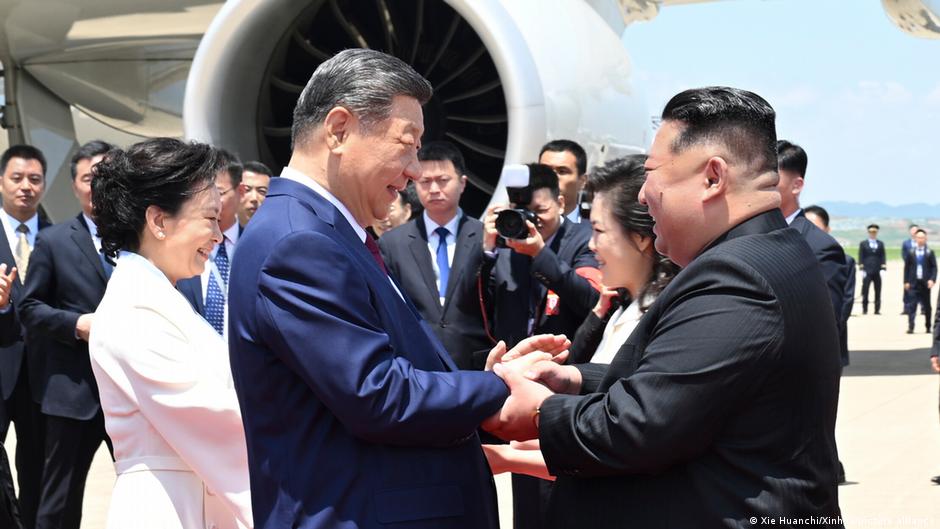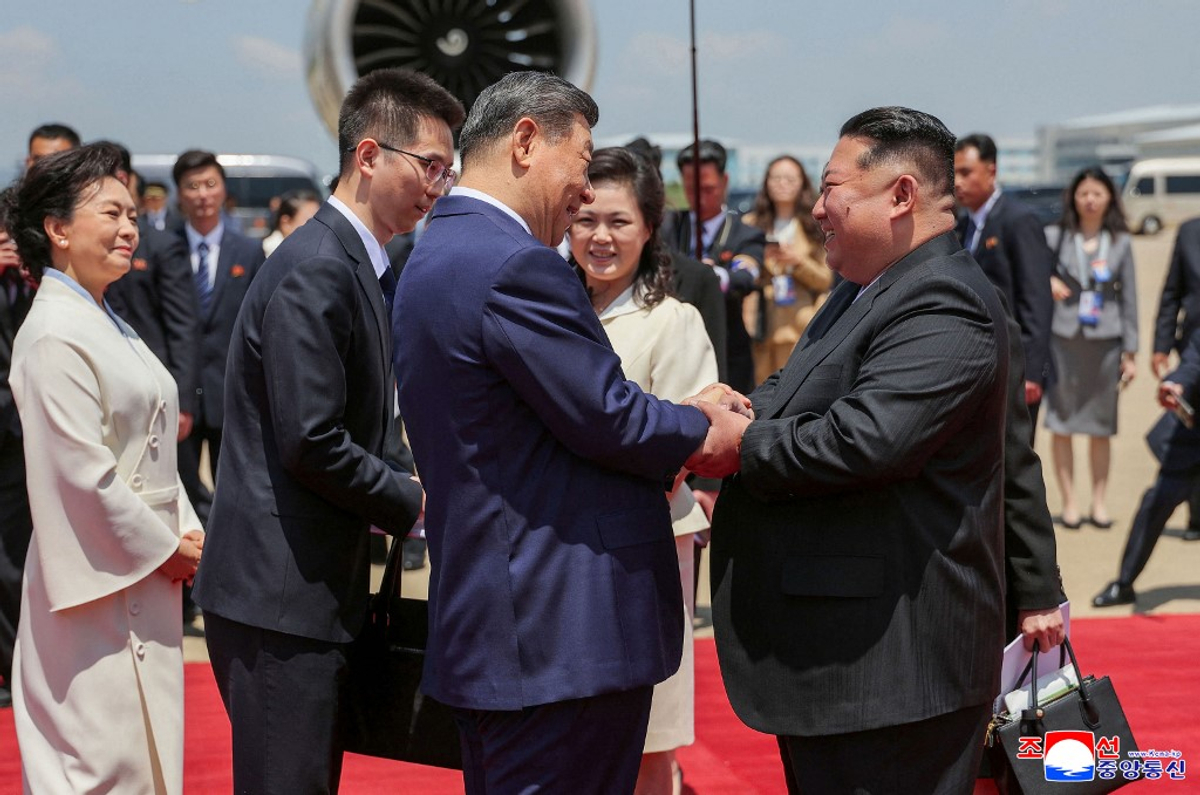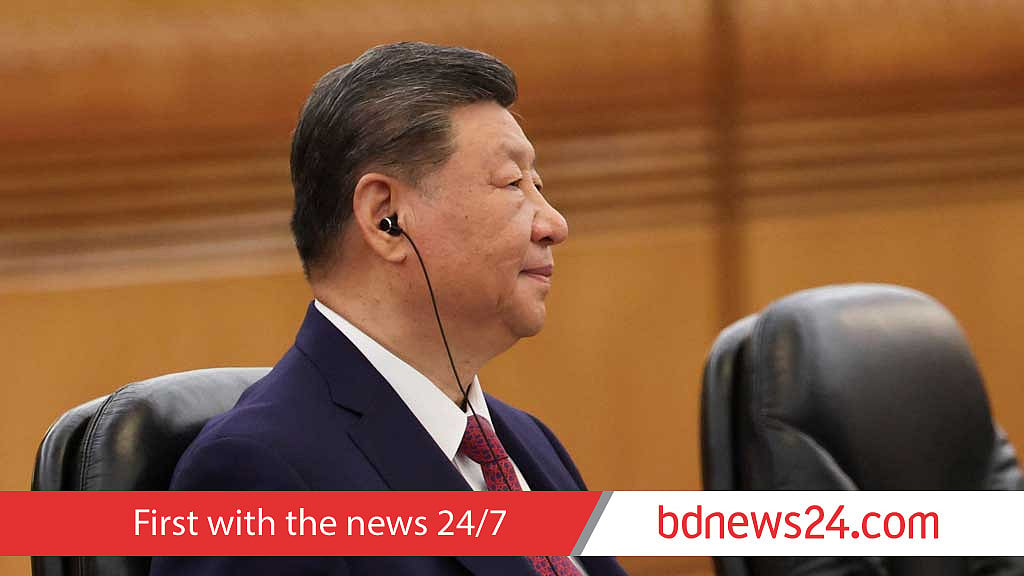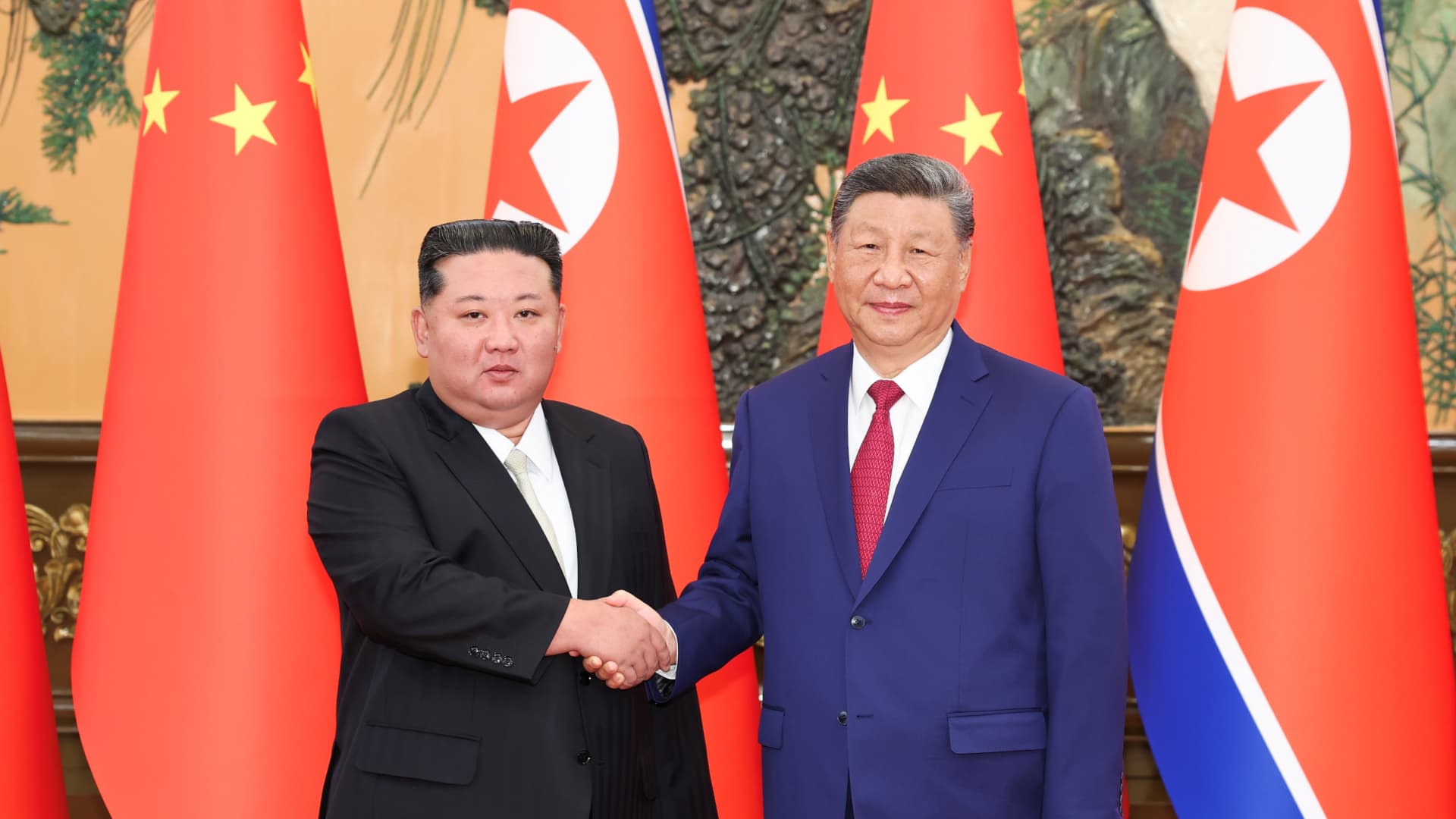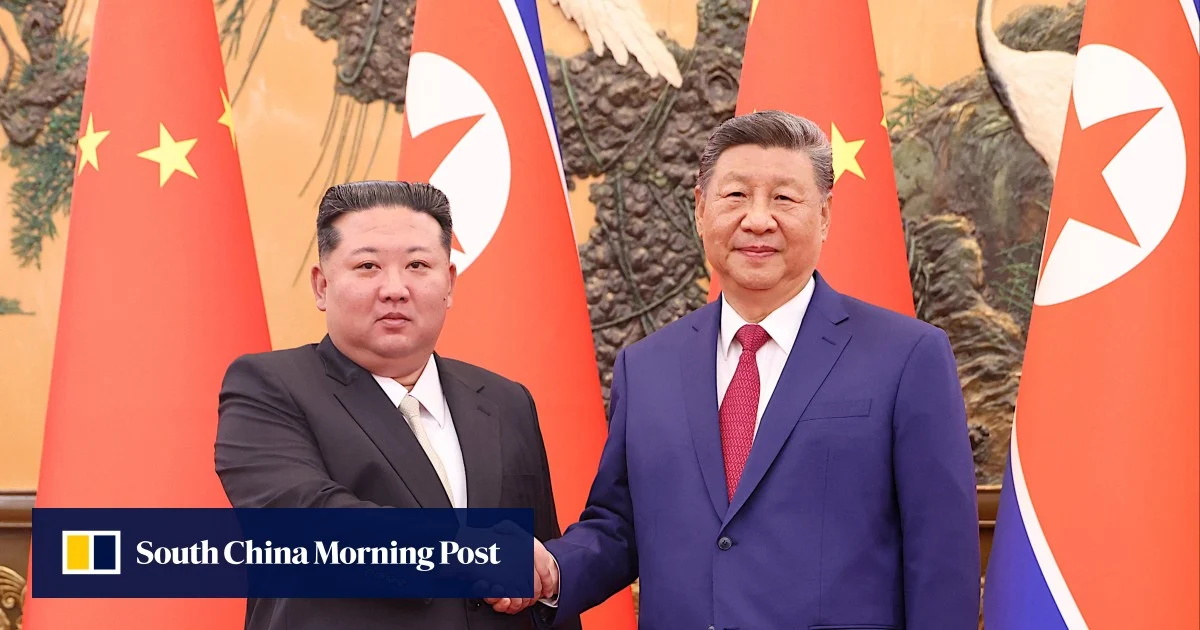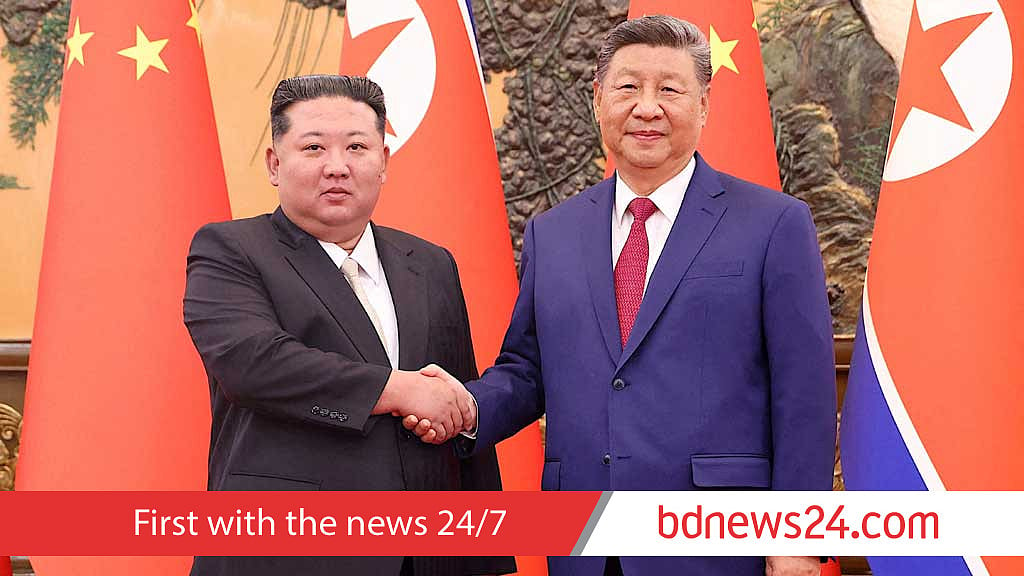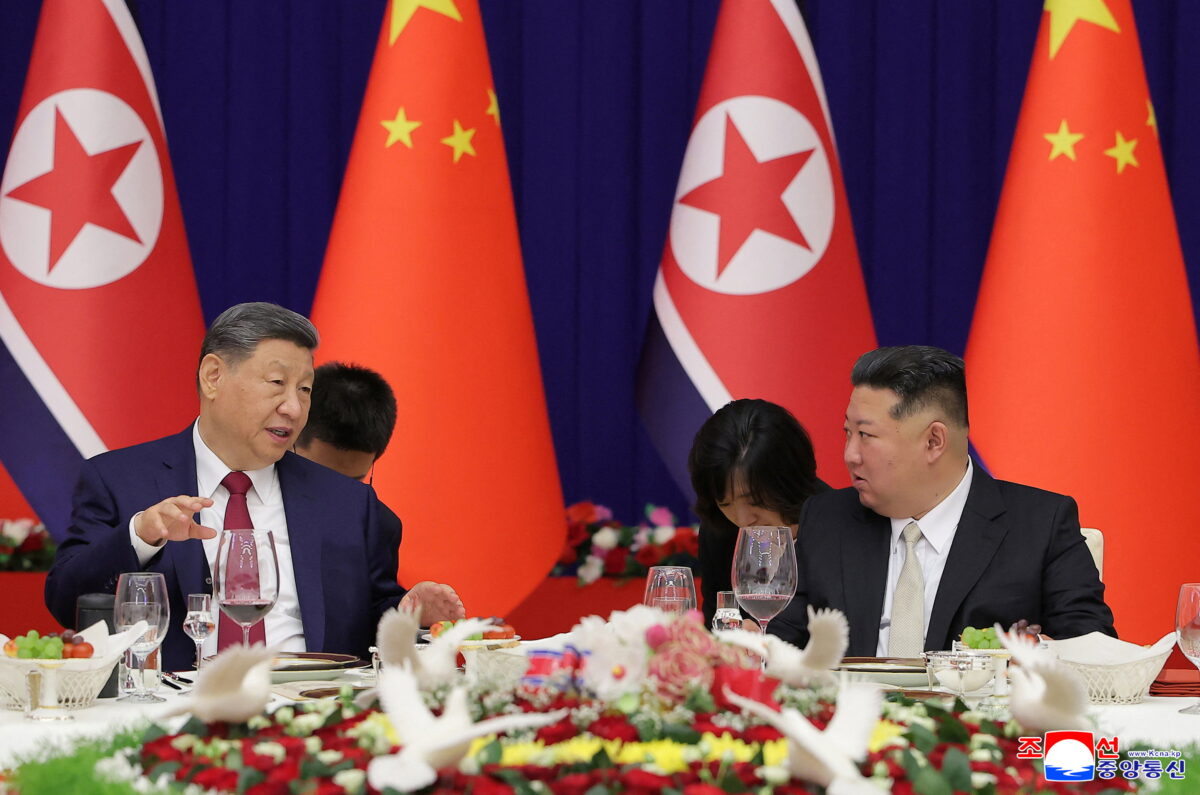
Chinese President Xi Jinping’s June 2026 visit to North Korea was his first since 2019 and his first overseas trip of 2026. Coming after US President Donald Trump and Russian President Vladimir Putin’s trips to Beijing, the choice of Pyongyang carries obvious symbolic weight, reflecting a change in the balance of China–North Korea relations.
For decades, China was North Korea’s indispensable external supporter. Beijing supplied food, energy, trade and diplomatic protection, especially after the collapse of the Soviet Union. Yet this dependence did not translate into control. Pyongyang resisted Chinese pressure, pursued nuclear weapons despite Beijing’s objections and remained deeply suspicious that China might sacrifice North Korean interests when convenient. But Beijing could not simply abandon North Korea without risking instability on its border, refugee flows and the possible northward expansion of the US alliance system.
China’s core interests on the peninsula remain preventing regime collapse, avoiding war, limiting US and allied military pressure near its border, preserving influence over any future security settlement and keeping Northeast Asia from becoming an even tighter anti-China coalition. North Korea has long leveraged these defensive geopolitical concerns. China may dislike North Korean provocations, but it often fears the consequences of excessive pressure even more.