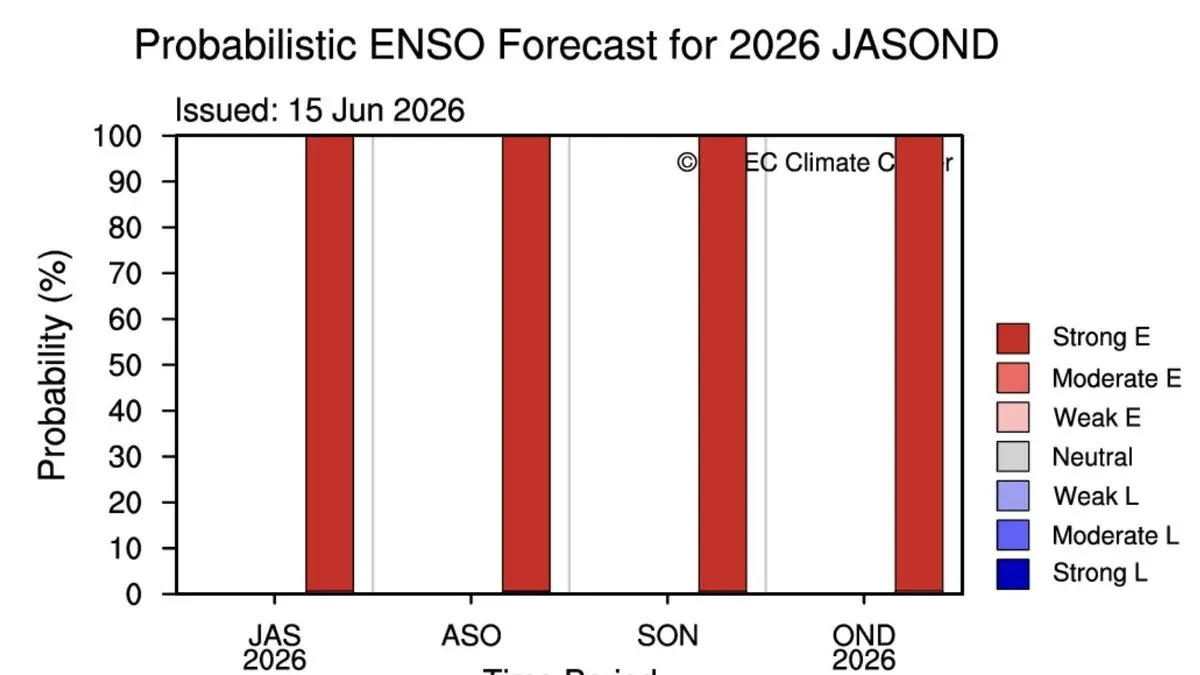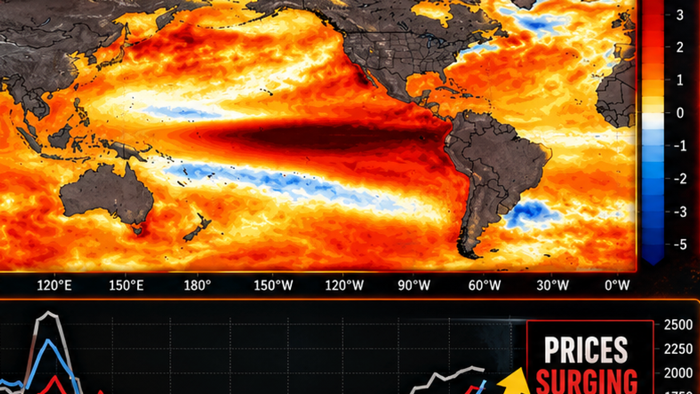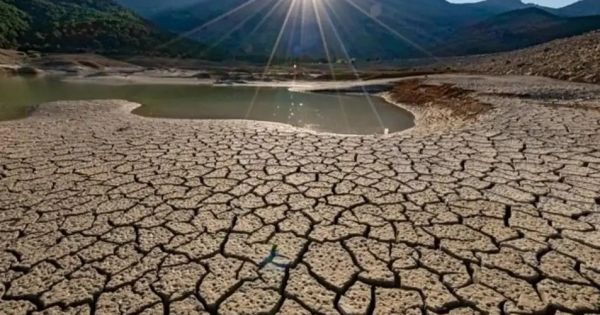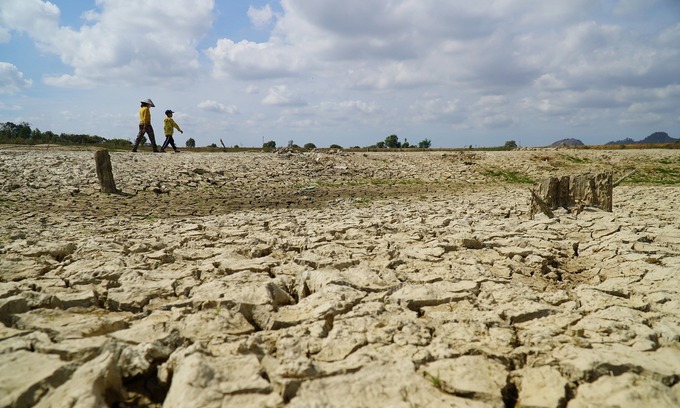
El Niño has officially formed over the central equatorial Pacific and is expected to keep strengthening through the second half of 2026, possibly lasting into early 2027, the National Center for Hydro-Meteorological Forecasting said at a Ministry of Agriculture and Environment press conference on June 17.
Sea surface temperatures in the Niño 3.4 region rose to 0.5 C above average in May and around 0.7 C in early June, confirming the event has taken hold.
The agency now puts the odds of a very strong El Niño at 60-65%, up from 20% in April and 37% in May.
An event that strong would be comparable to the 2015-2016 El Niño, and possibly stronger, said center director Mai Van Khiem. That event is regarded as one of the strongest since 1950, on par with the major El Niños of 1982-1983 and 1997-1998.
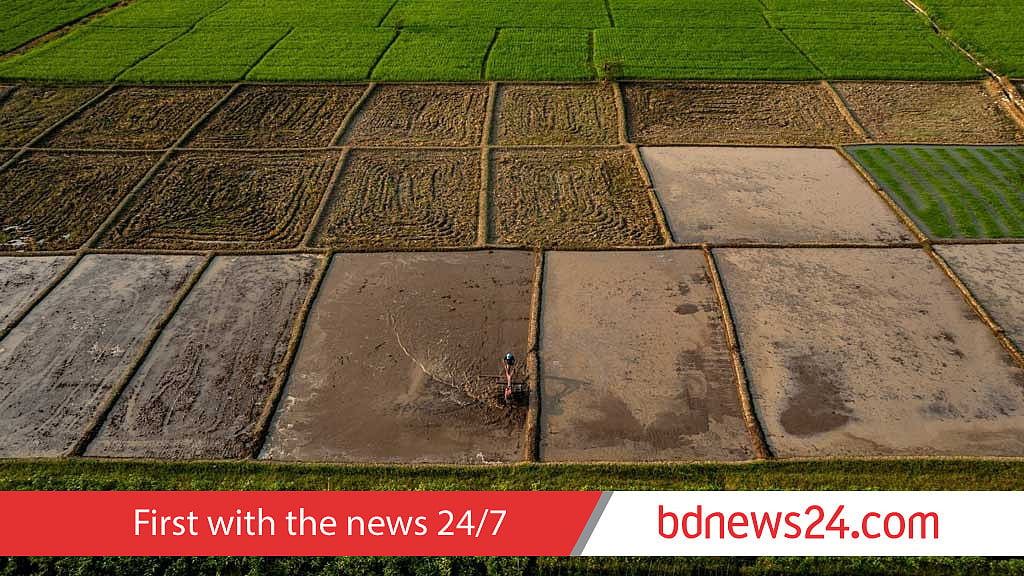
The economic stakes run straight through the Central Highlands. The agency warned the region faces a shortage of irrigation water for industrial crops, coffee above all, during the 2026-2027 dry season.