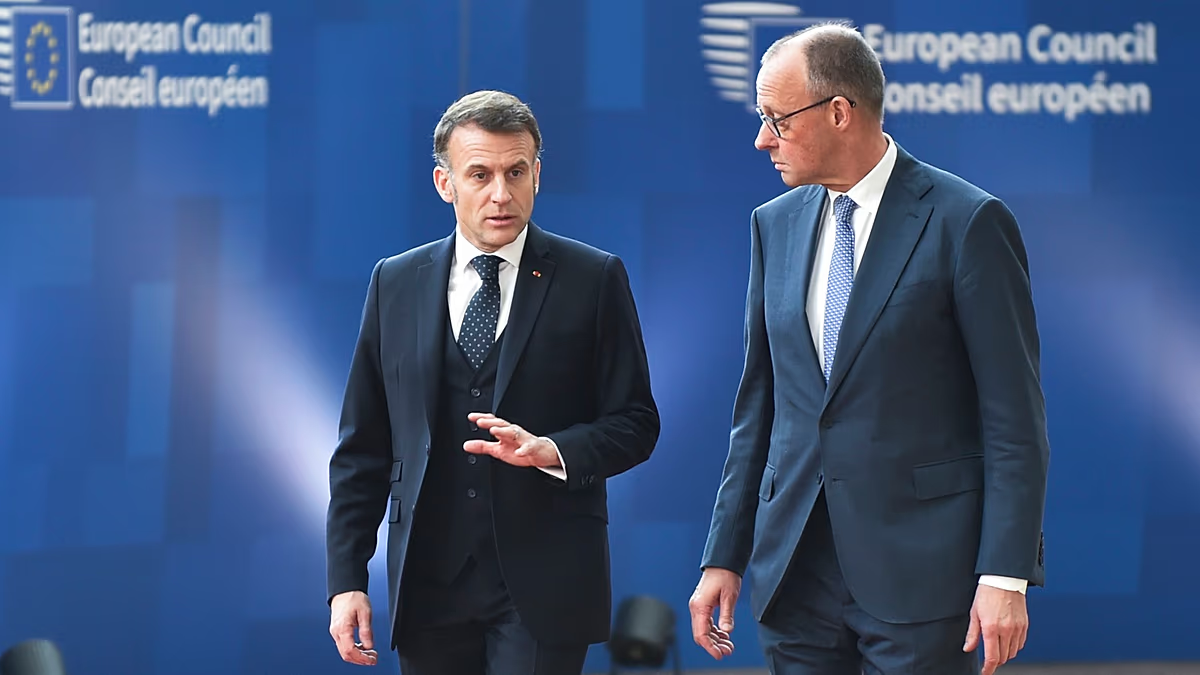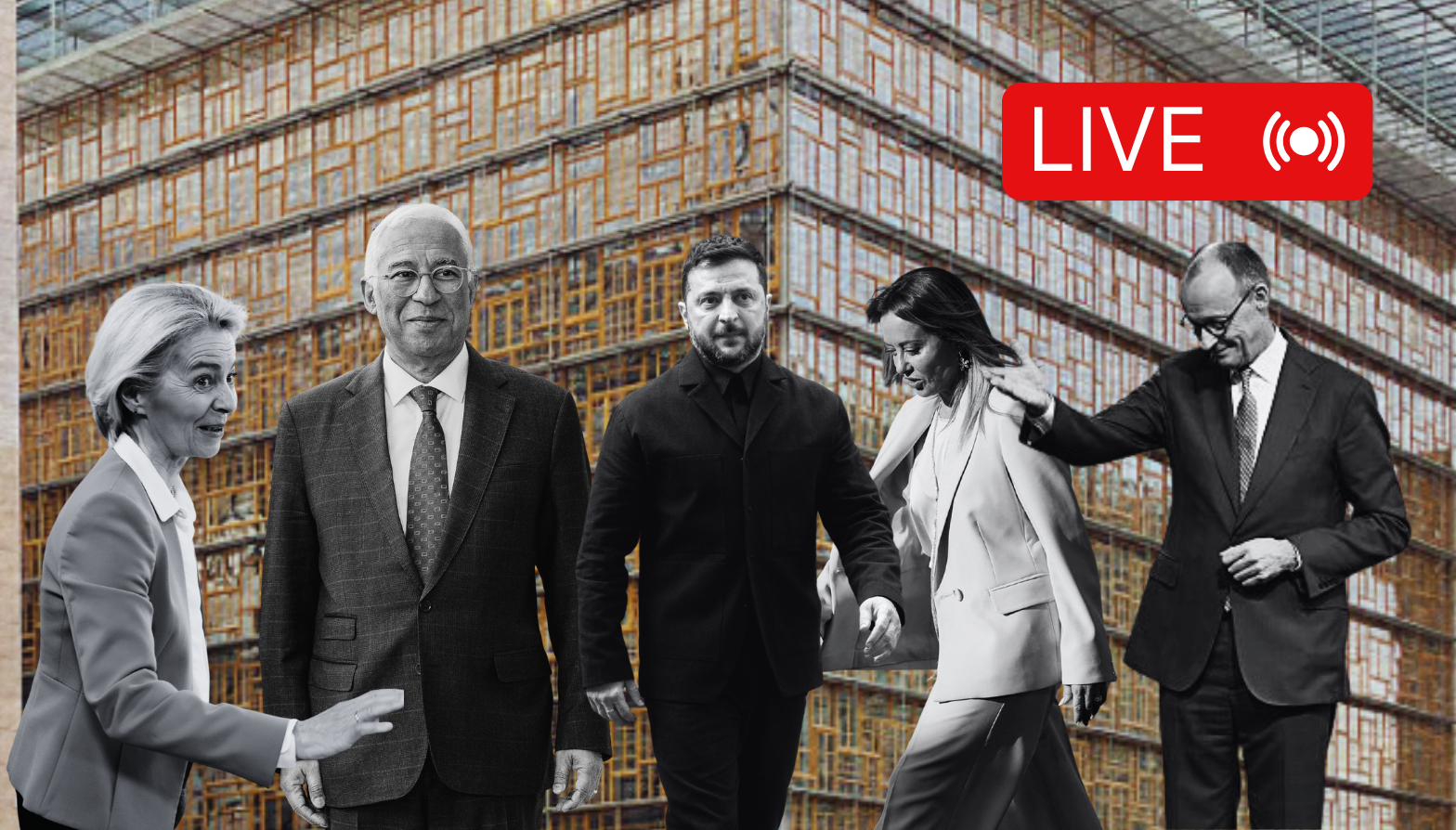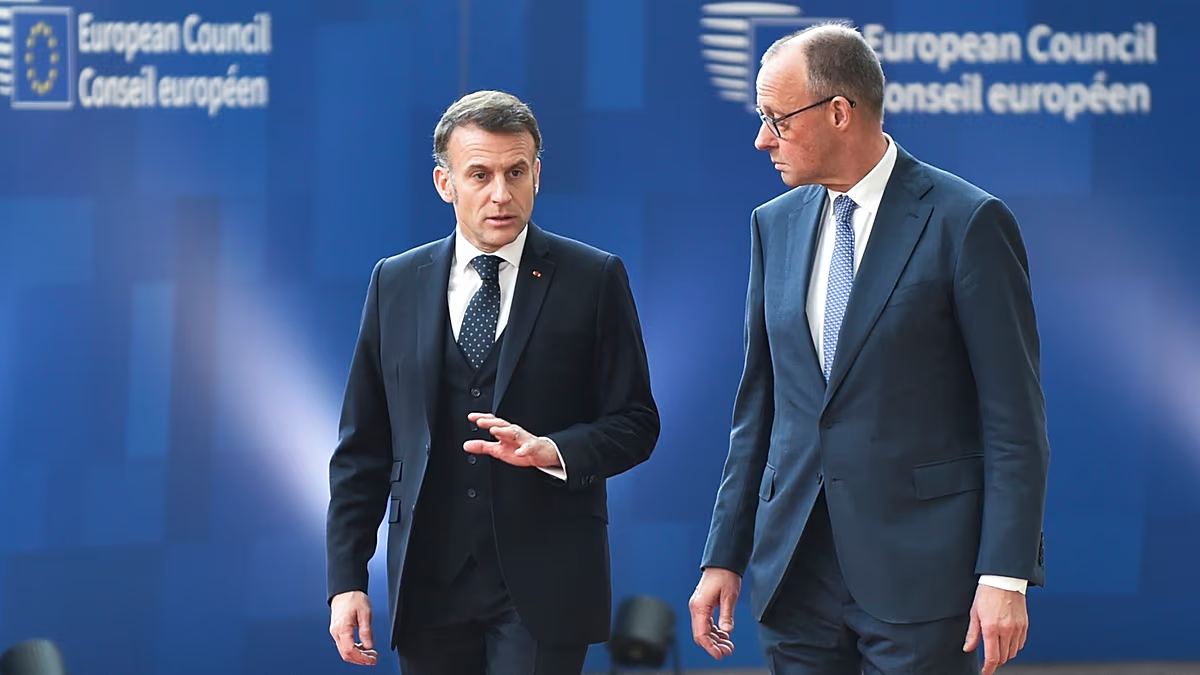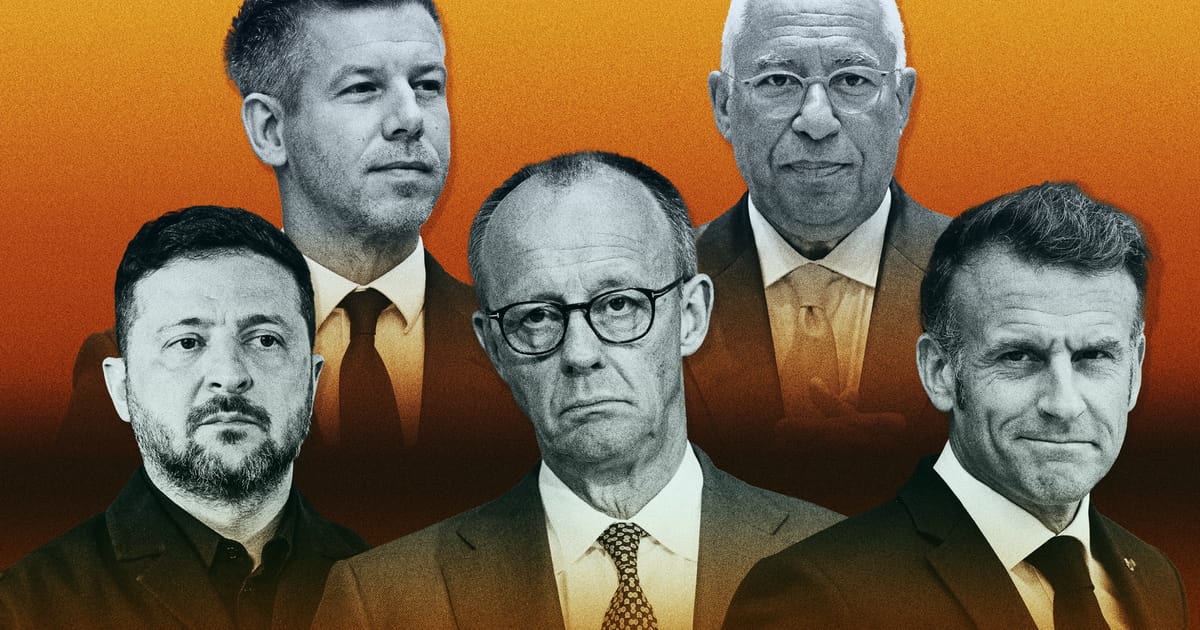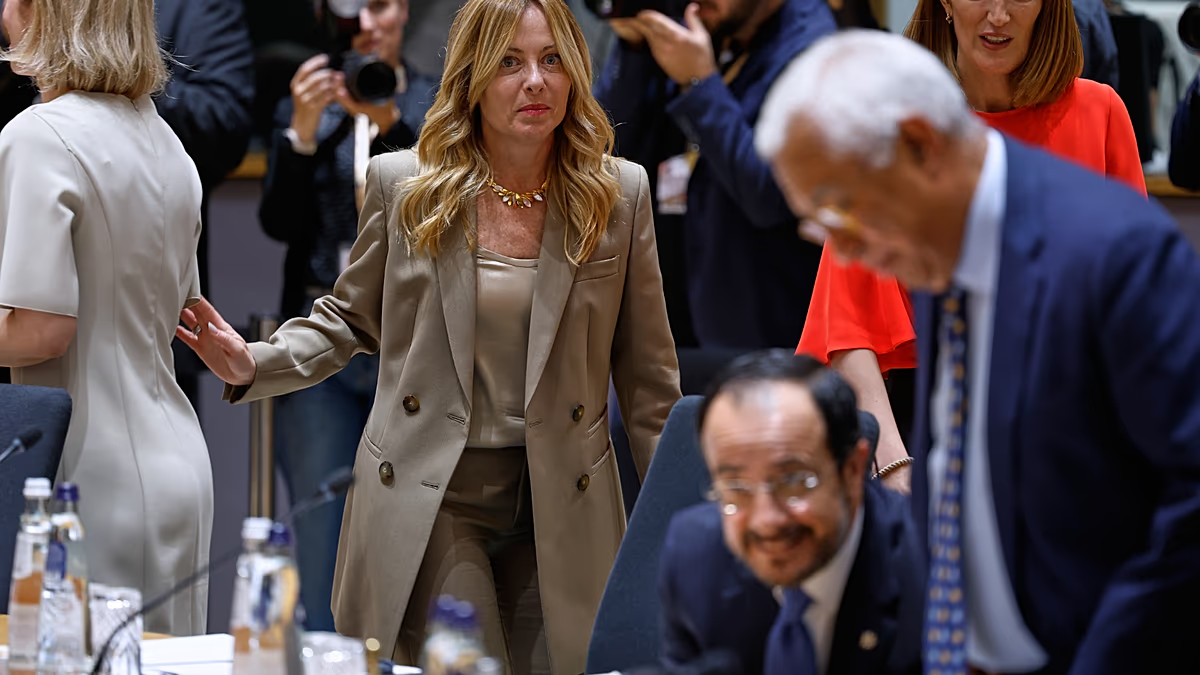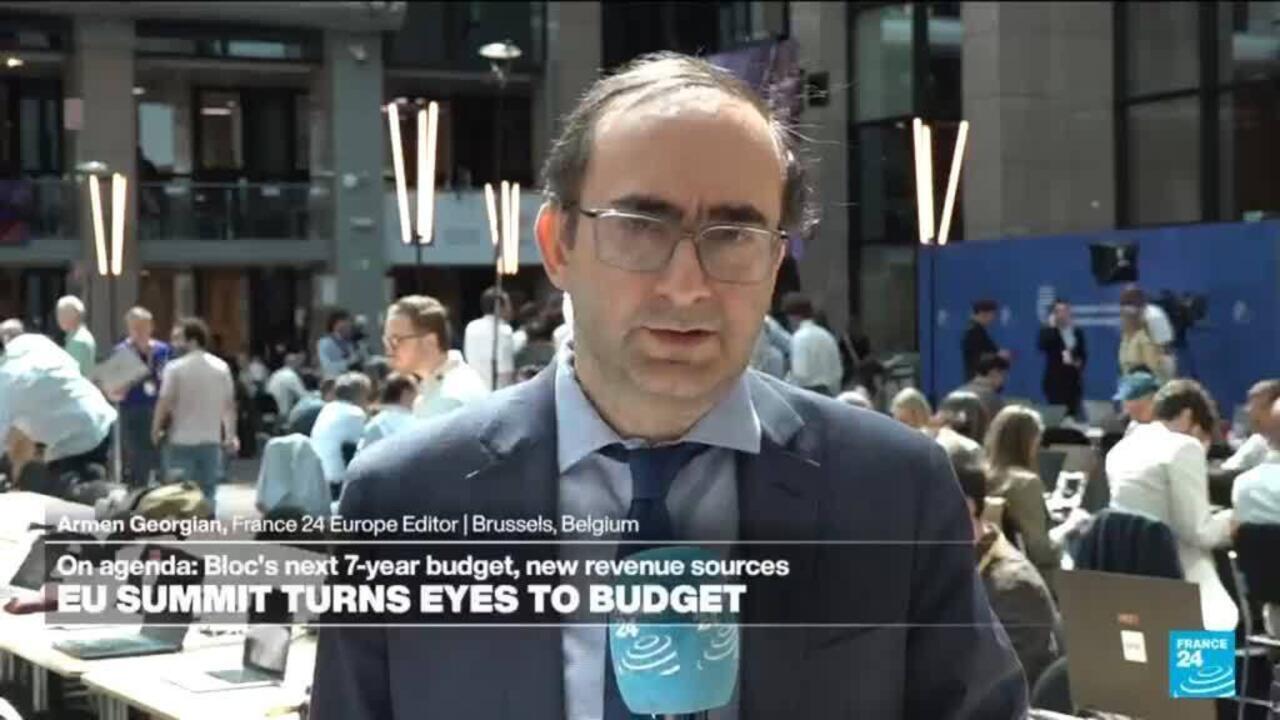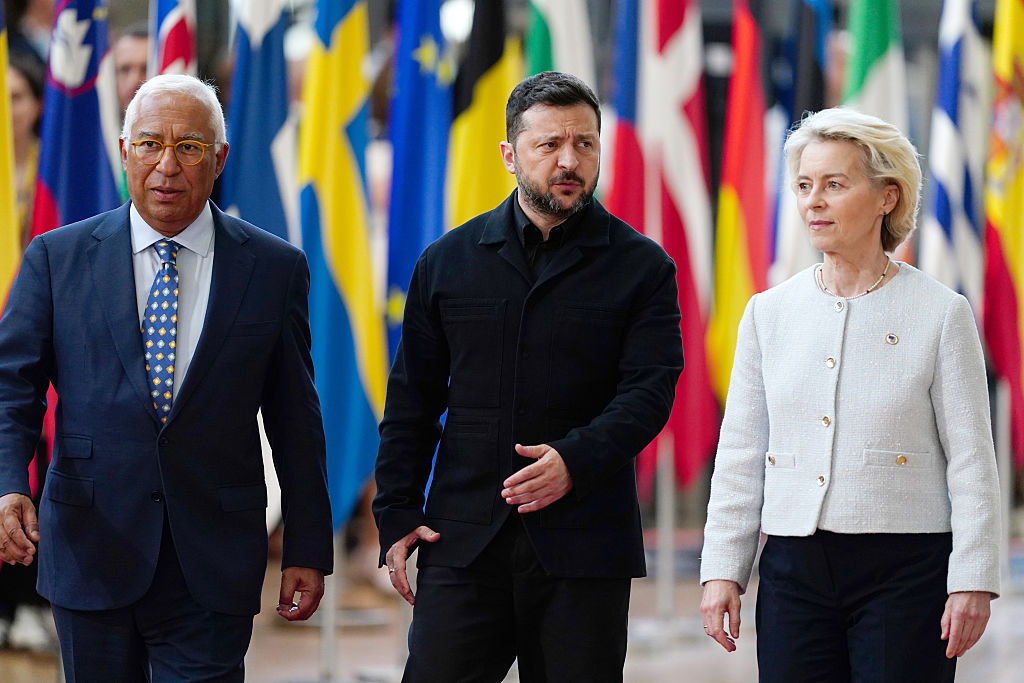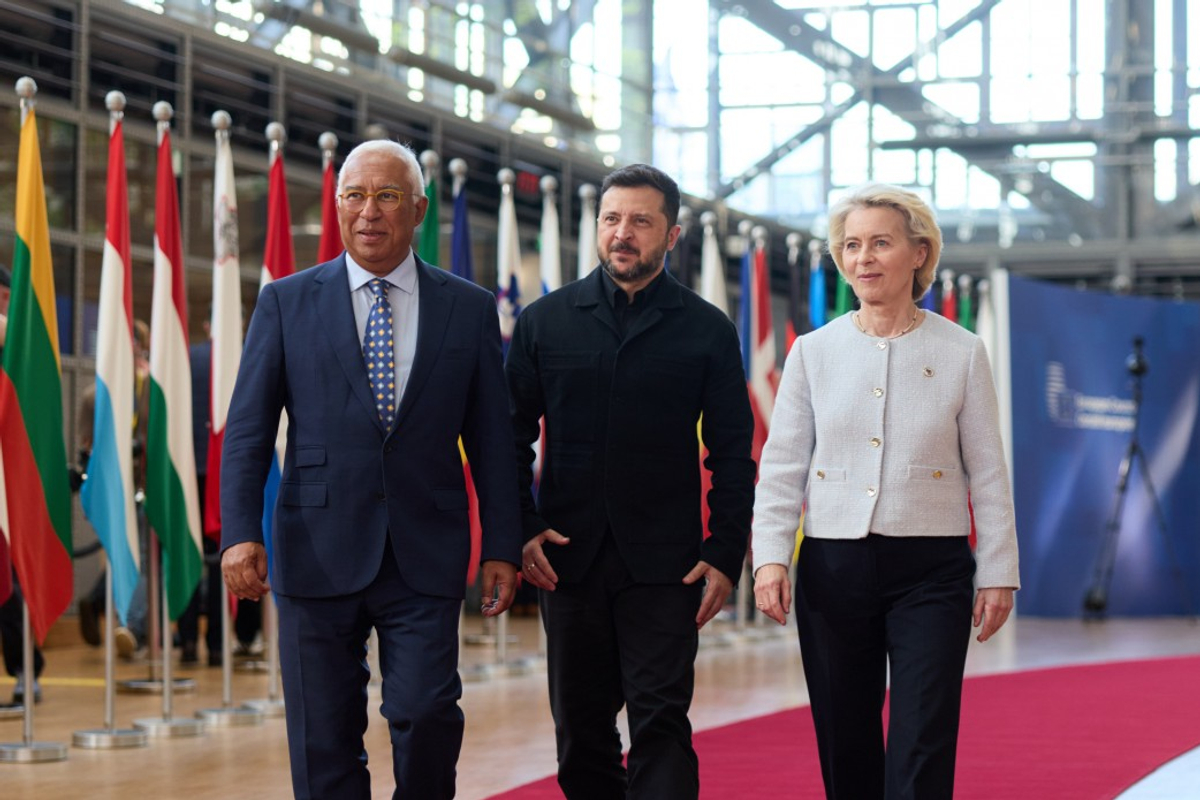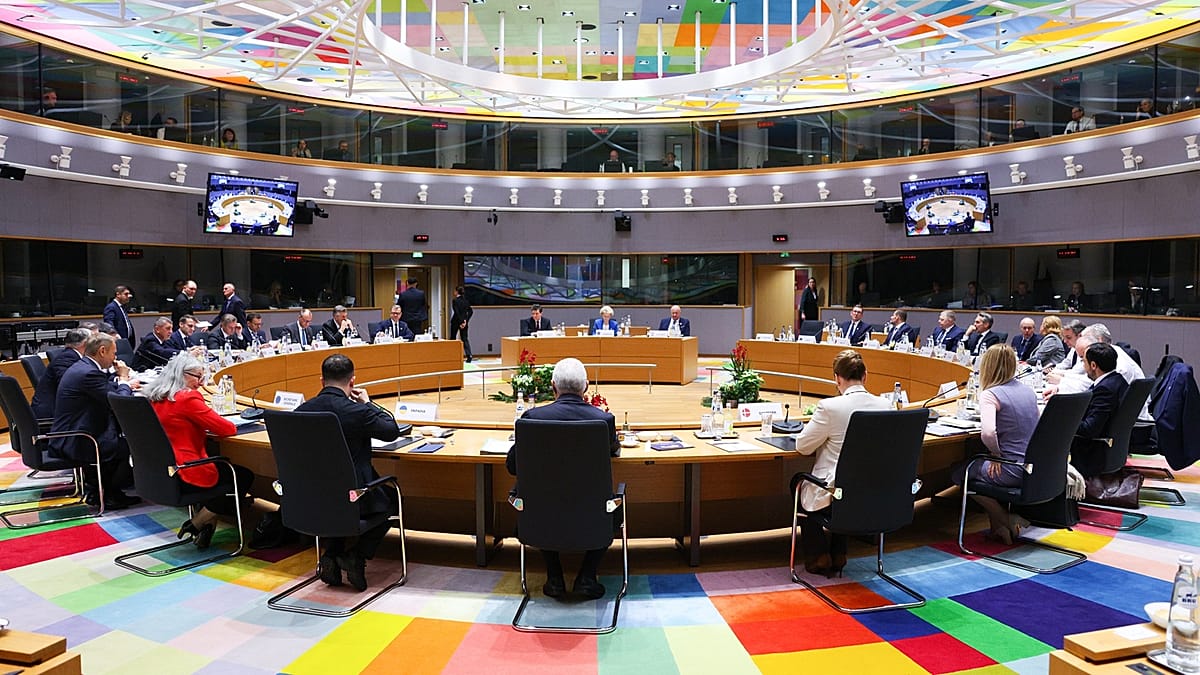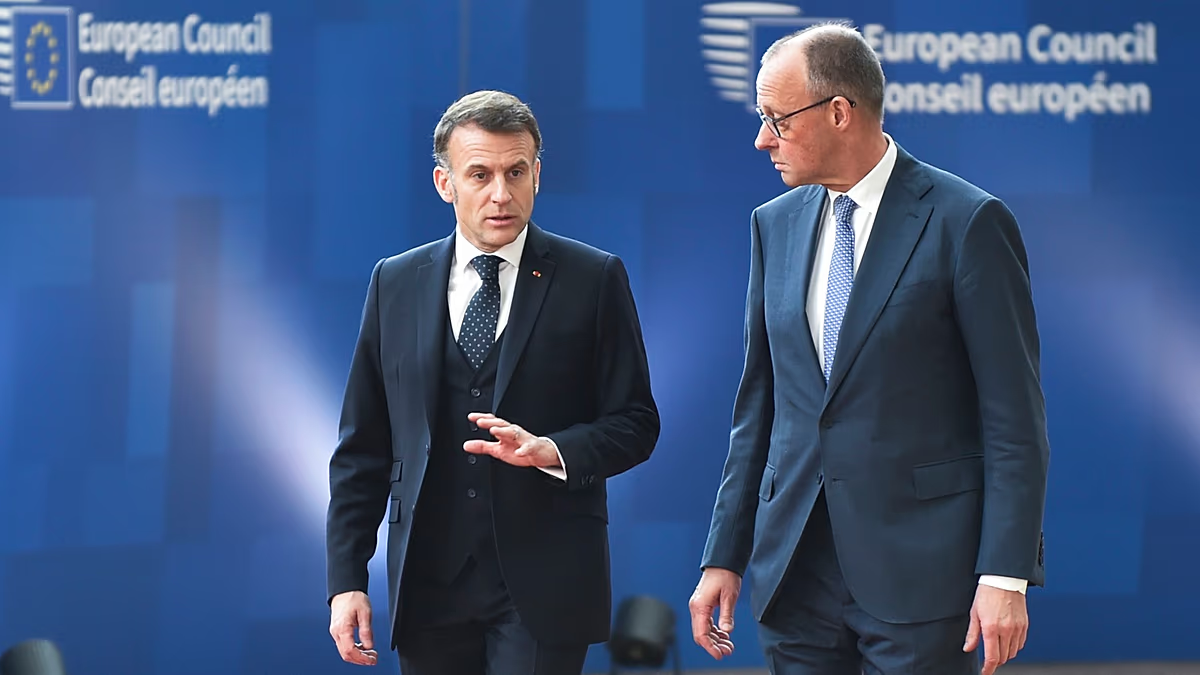
The 27 leaders of the European Union are gathering in Brussels for a two-day summit focused on Russia's invasion of Ukraine, the shockwaves from the Chinese economy and the bloc's next long-term budget. The situation in the Middle East, competitiveness, drug trafficking and migration will also be on the agenda.
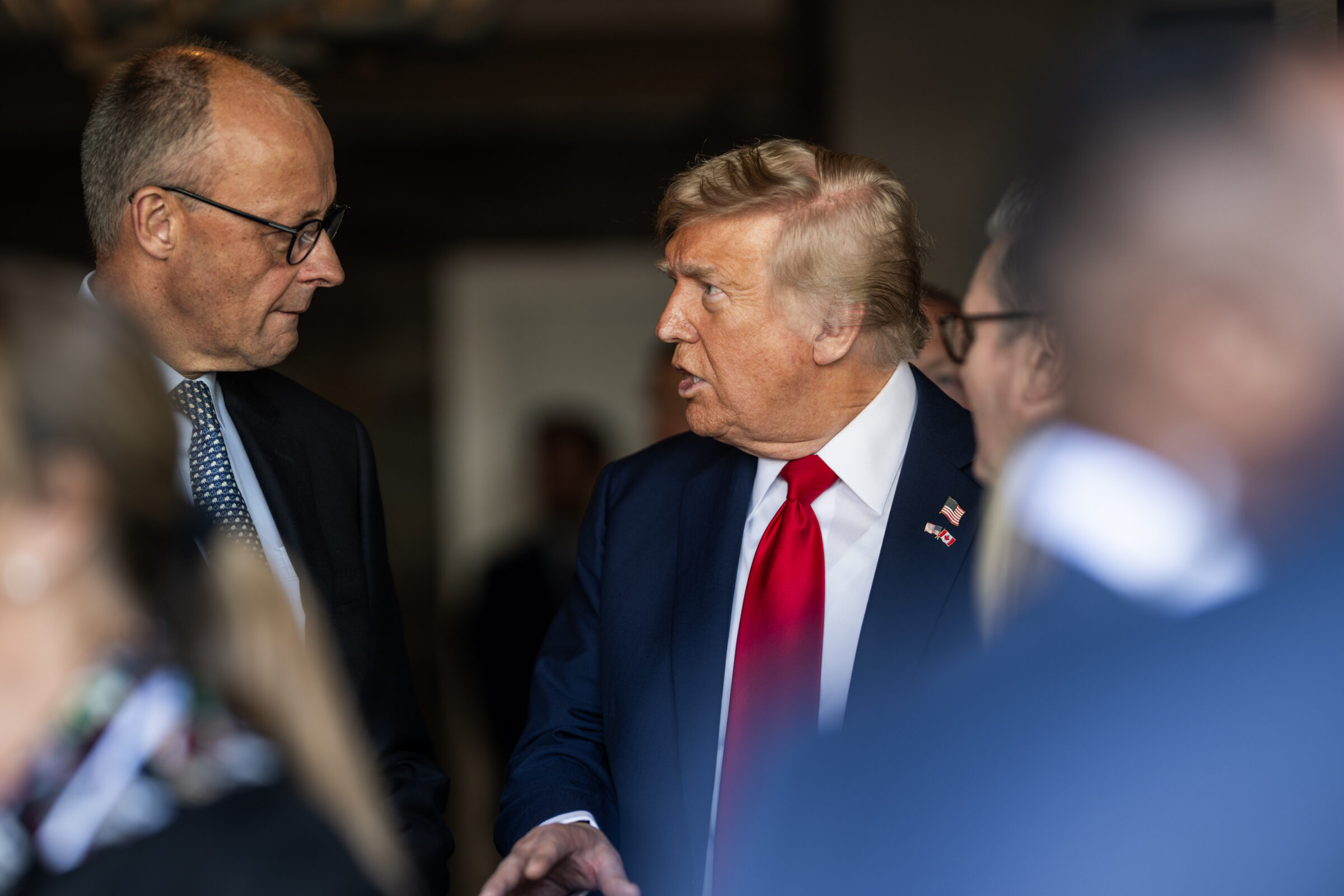
Thursday's summit comes on the heels of a closely watched G7 meeting in Évian, France, that managed to convince US President Donald Trump to sign a joint statement pledging to increase military support for Kyiv and sanctions on Russia.
For Europeans, securing Trump's endorsement is a major diplomatic win to paper over the multiple fractures in the transatlantic alliance.
The White House's unilateral decision to grant three consecutive waivers for Russian oil has been an intense source of friction. But in Évian, Trump said the reopening of the Strait of Hormuz following the framework deal between the US and Iran would "soon" allow his administration to reinstate the restrictions.
The EU is preparing a new package of sanctions to capitalise on the growing strain in Moscow's resource-intensive war machine.