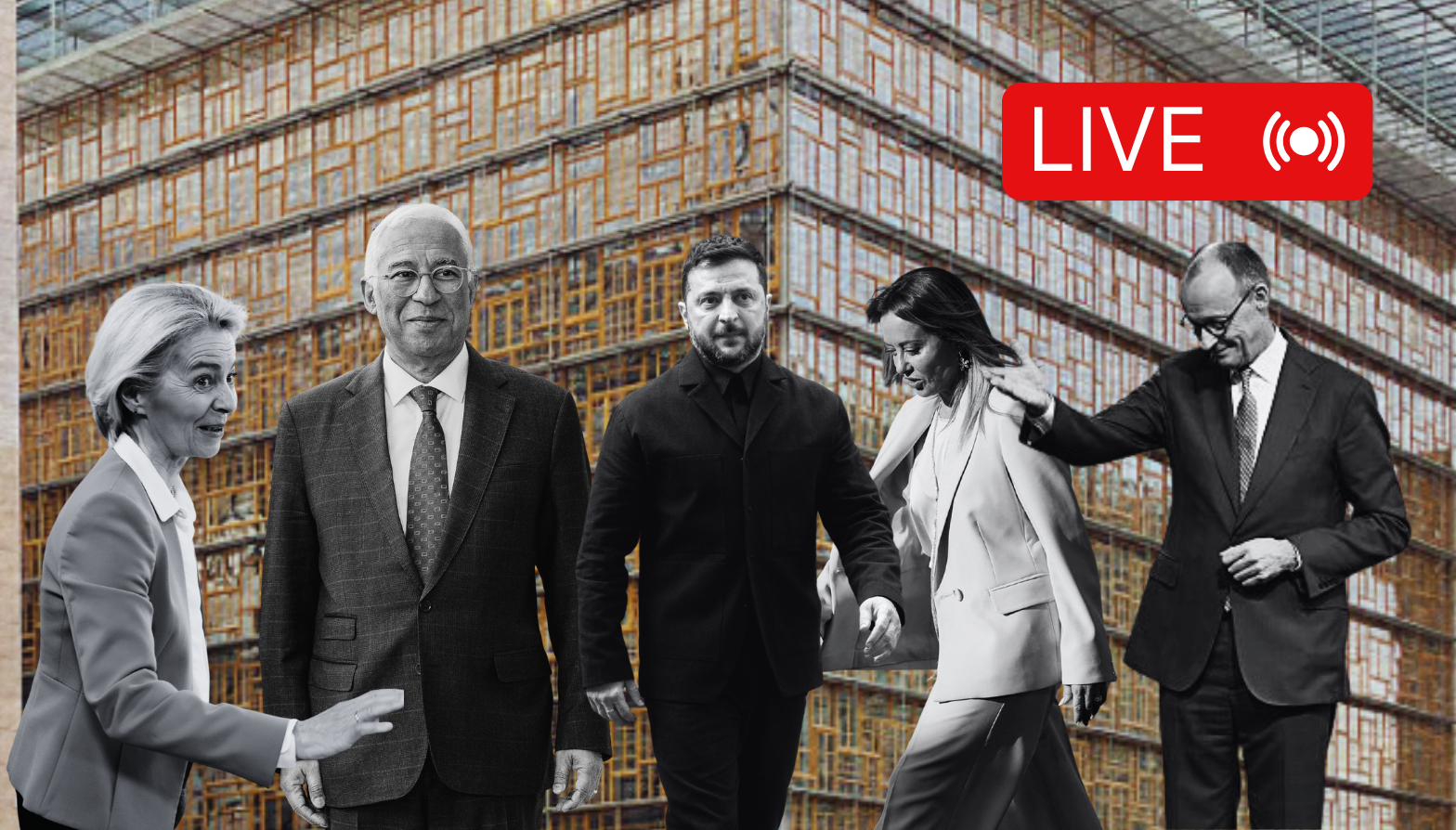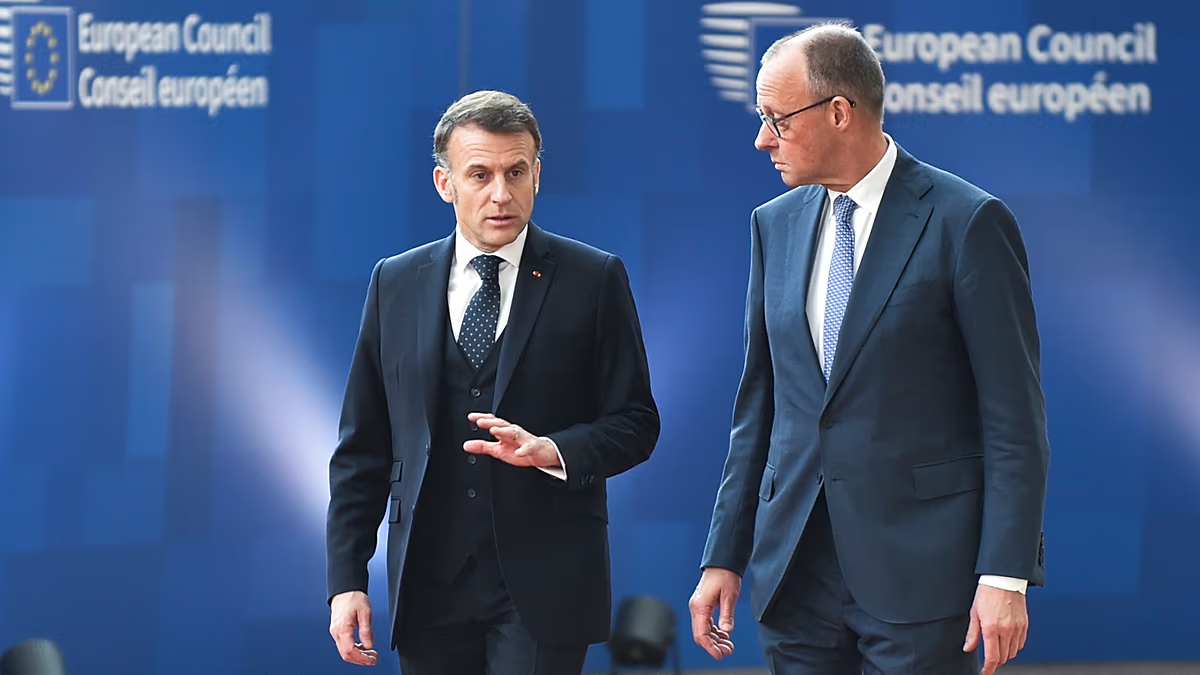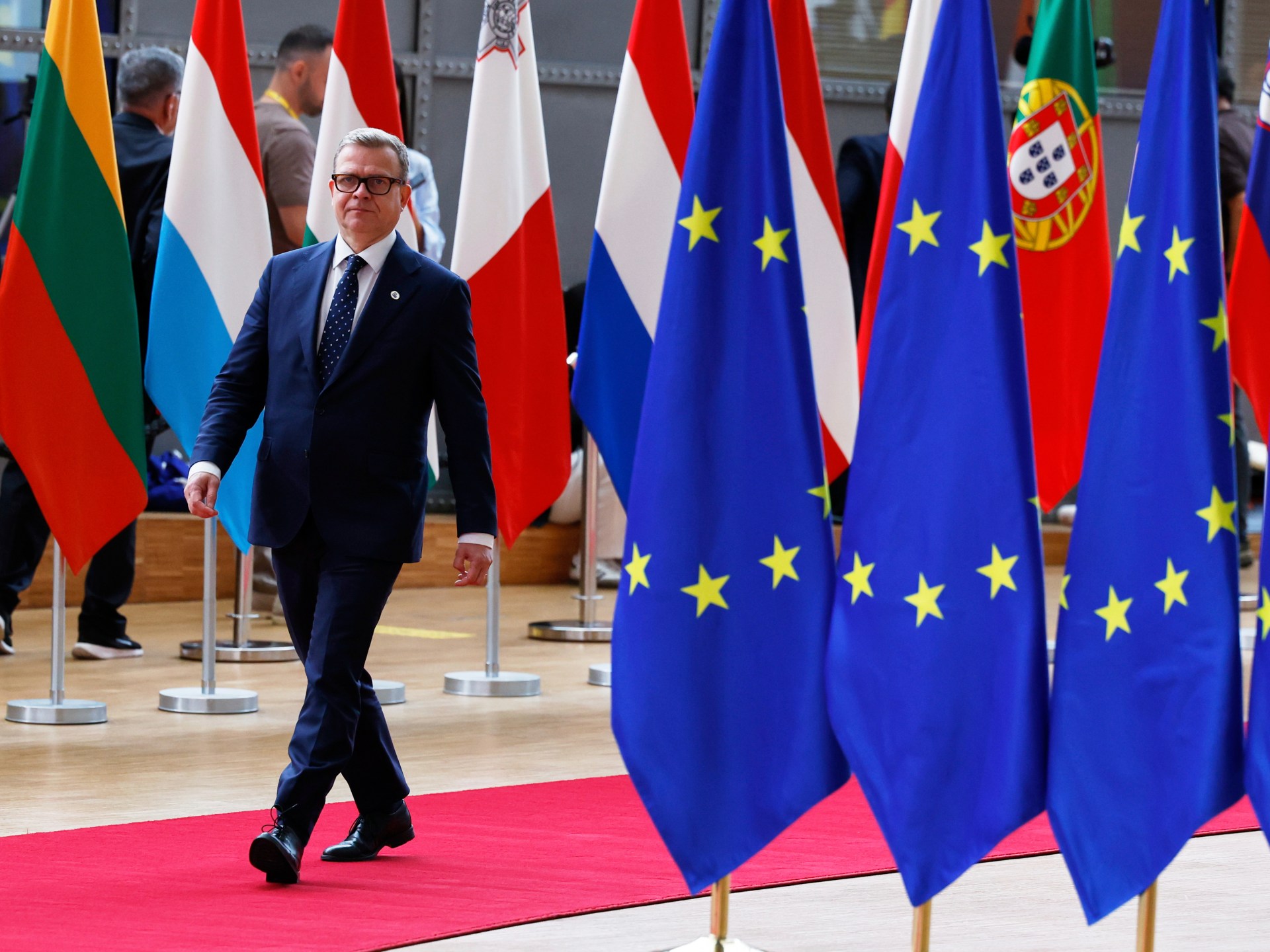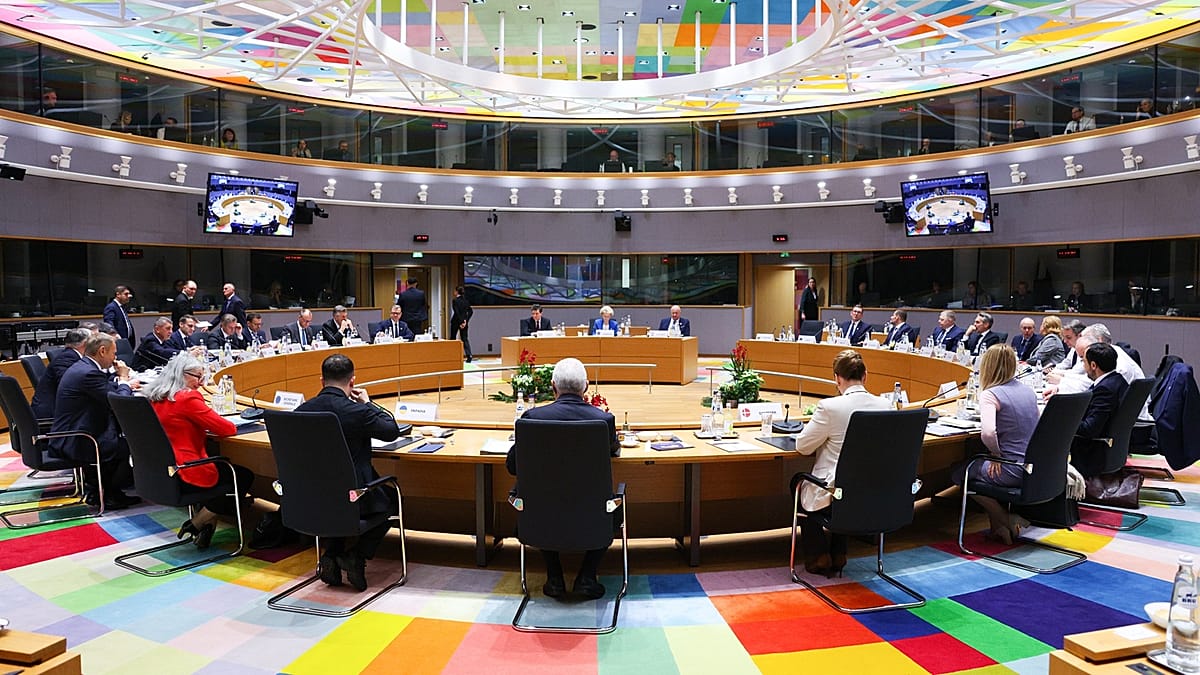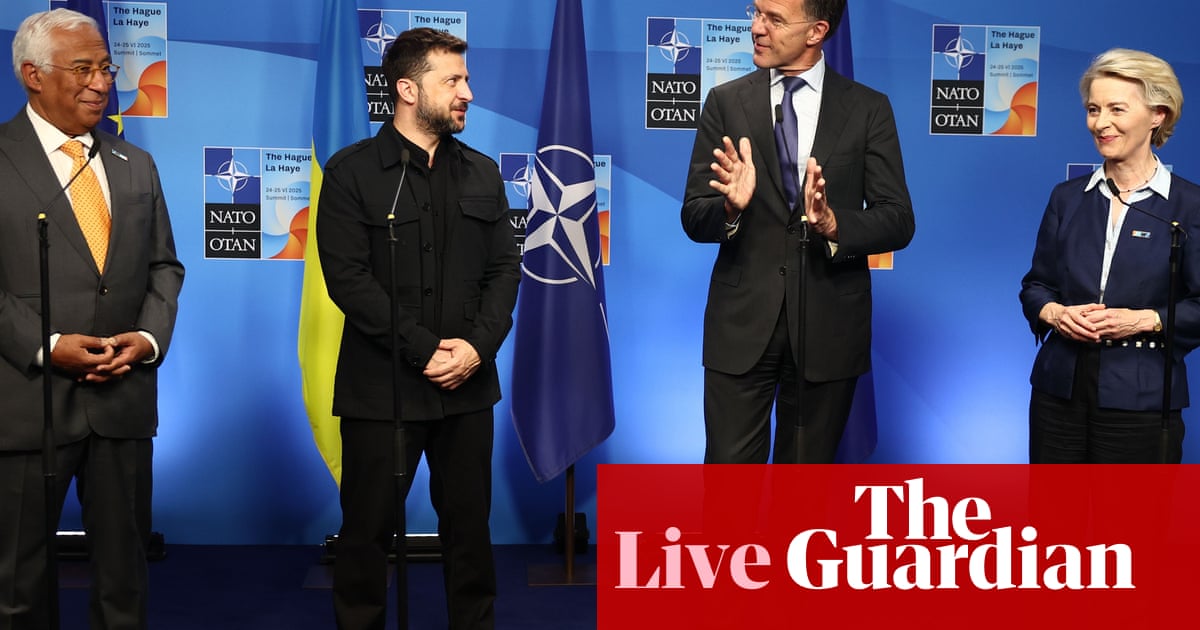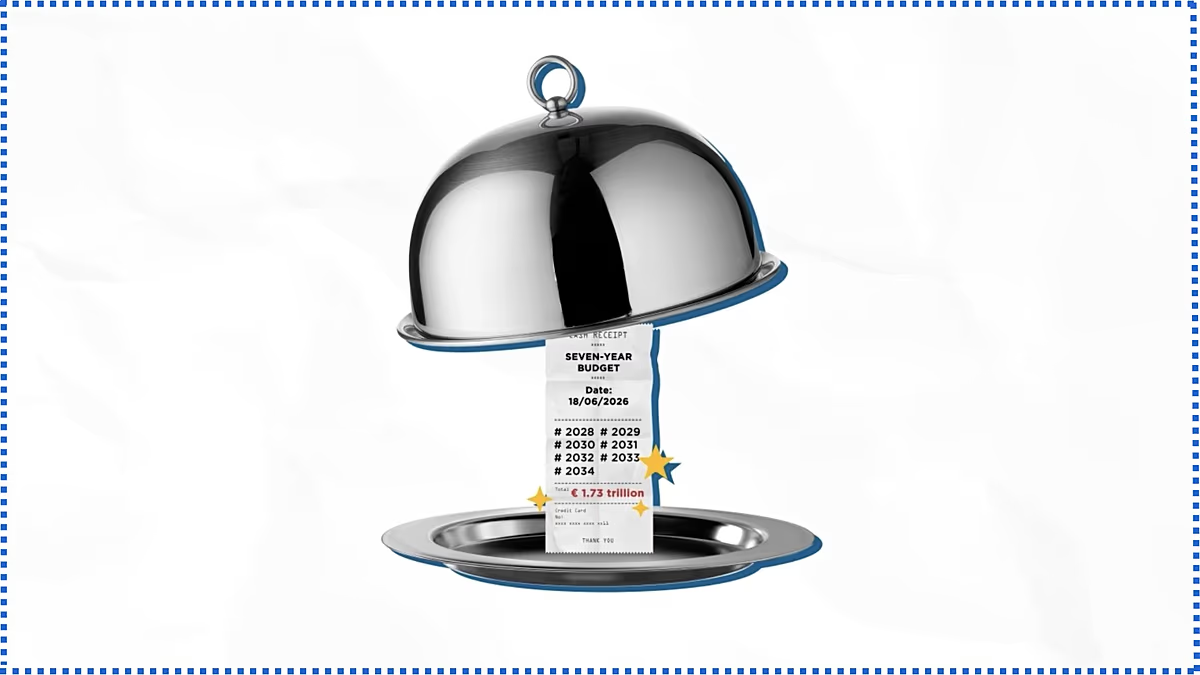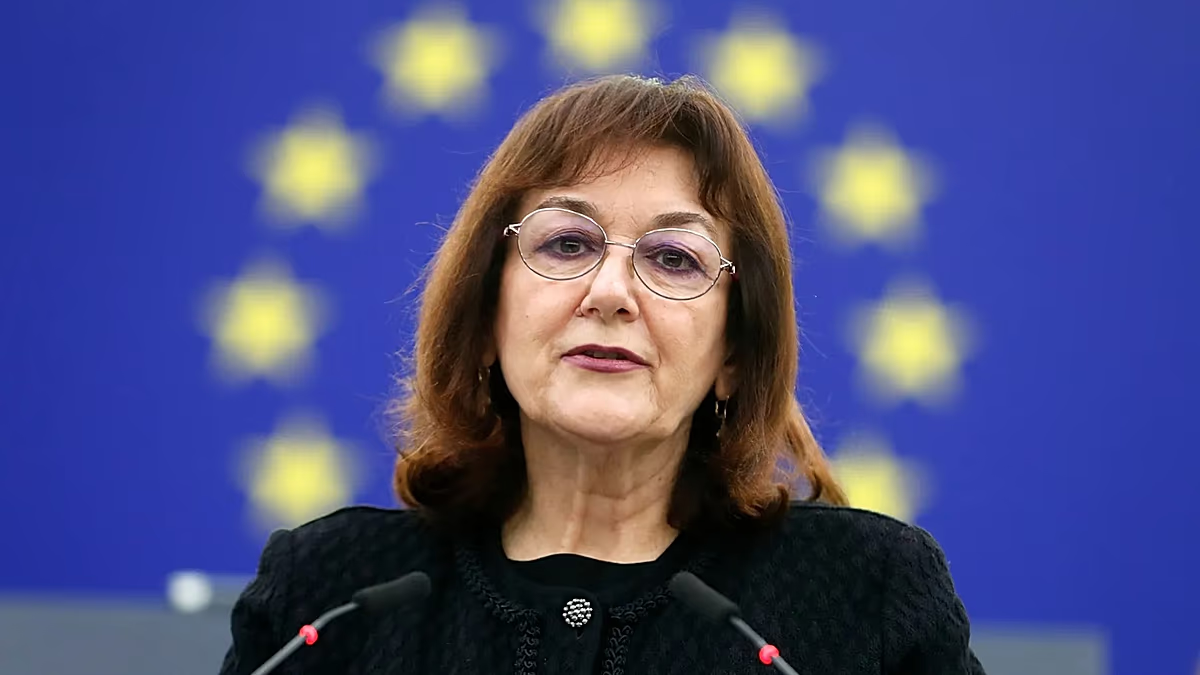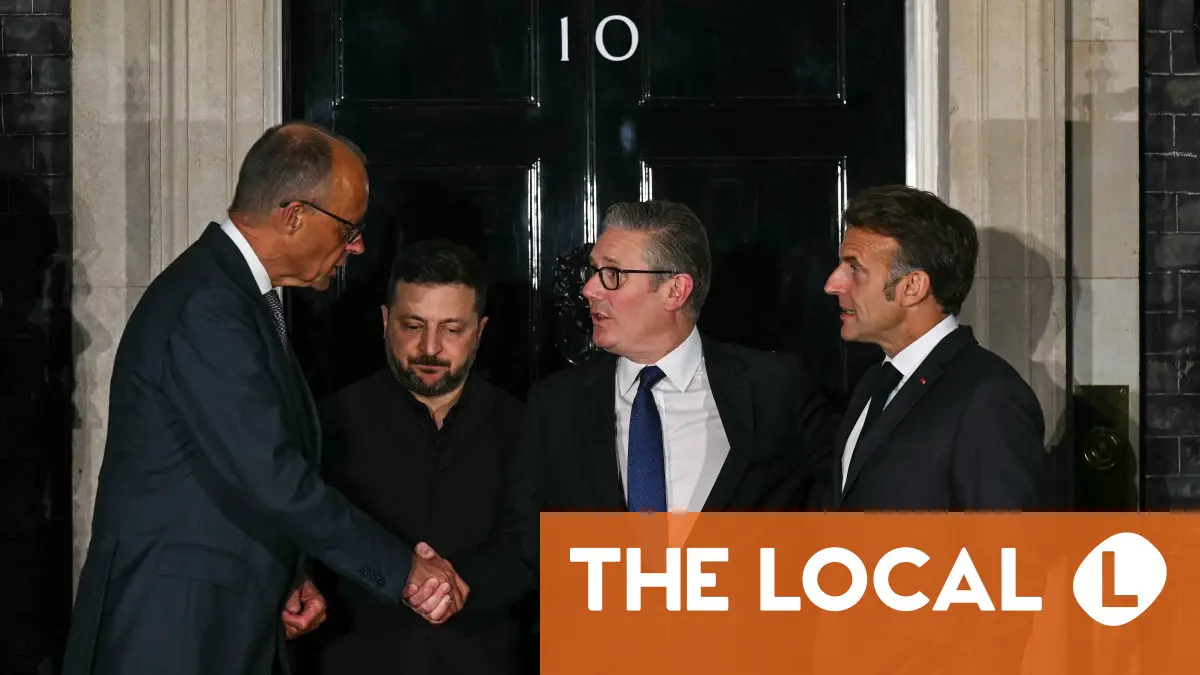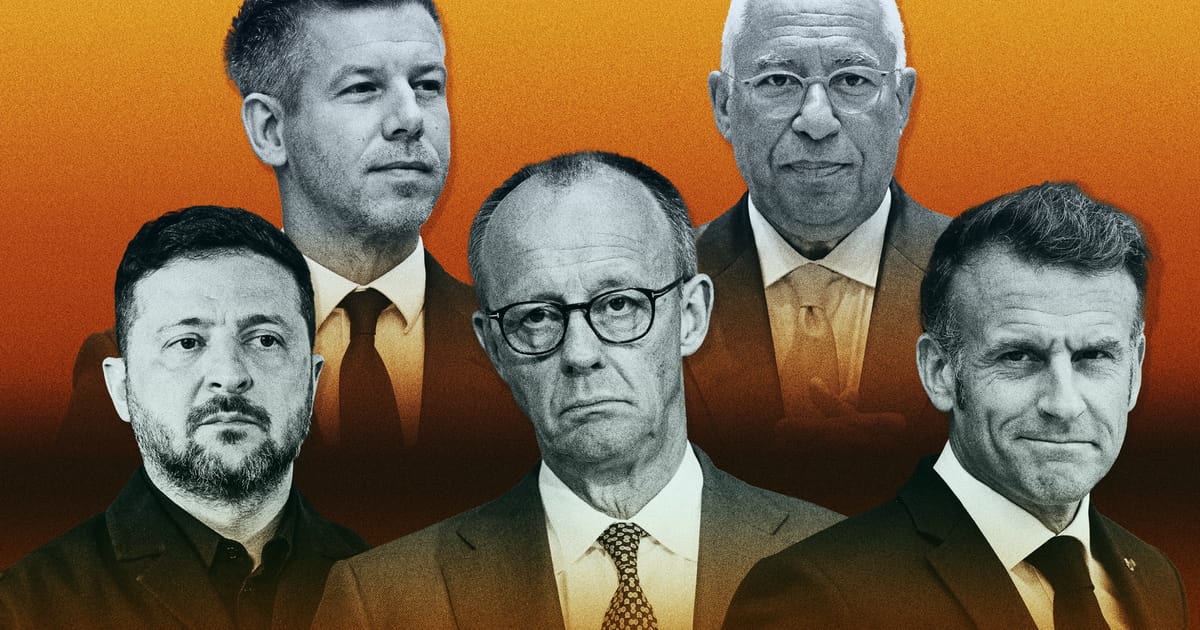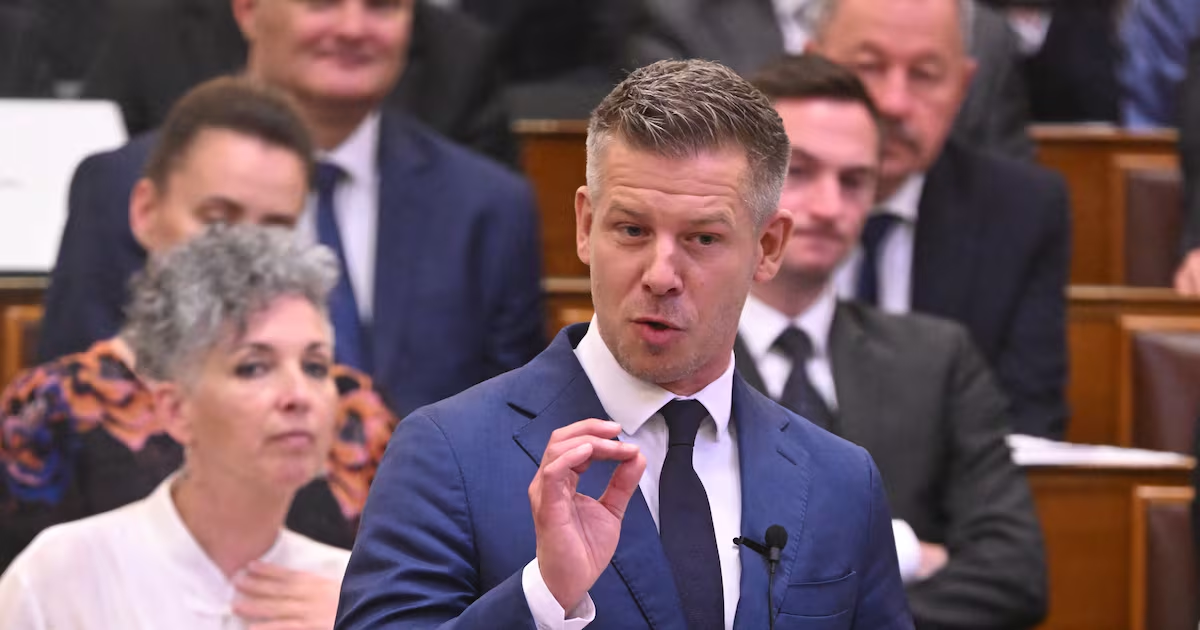
EU leaders are beginning to gather in Brussels for the European Council meeting as the Belgian capital swelters in 30-plus degree temperatures. If nothing else, Ireland will at least offer a break from oppressive heat during its upcoming presidency of the council, starting on July 1st. But the agenda for this week’s meeting of EU heads of government offers pointers on the key matters that will also dominate Ireland’s presidency. The weather may be different but the political climate will be the same. Support for Ukraine will be front and centre at the meeting – and it will be the first EU leaders summit without ousted Hungarian prime minister Viktor Orbán, for so long a blockage in European efforts to funnel funds and materiel to Volodymyr Zelenskiy’s government. In his place arrives Péter Magyar, whose agenda is largely built around dismantling the legacy of his predecessor. In a European context, this means making progress on things such as the rule of law. Magyar wants to move away from Russia and towards the EU – including to European funds blocked during the Orbán period, but has previously signalled he wouldn’t support fast-track entry for Ukraine. There is no doubt Magyar represents a sea-change in Hungary’s position on Europe and Ukraine, but Irish officials are also conscious that Budapest’s interests have not changed in some respects, and the fine detail of Magyar’s positioning will be closely sifted through on this and other matters. The question of accession for Ukraine, and more specifically the pace at which it moves, will also form a key part of Ireland’s presidency. This not only applies to the war-torn country, but also others in the accession queue such as Moldova, Montenegro and Albania. A more substantial discussion on this is expected across the autumn, during Ireland’s term. The continuing turmoil in the Middle East will also be on the agenda in Brussels. Taoiseach Micheál Martin wrote to EU Council president Antonio Costa last month asking him to put Israel’s treatment of EU citizens on the Global Sumud Flotilla on the agenda. The expectation is the question of sanctioning hardline Israeli ministers and trade with illegally occupied territories will also be raised. Ireland is expected to repeat its refrain that Israeli actions in the West Bank are eroding the basis for the two-state solution. For a seemingly interminable period, other member states have been inching closer to the Irish position on Gaza and on trade with Israel, but a substantive change at an EU level still seems a flimsy prospect, at least in the immediate term. At the last meeting of EU foreign affairs ministers, the commission indicated it would present a proposal in advance of the July meeting on trade with illegal Israeli settlements in the Occupied Territories.The opening skirmishes in the battle to settle the next seven-year budget for the EU are also expected to take place in Brussels today and tomorrow. Again, this is a point that Ireland will have to find something approaching consensus on during its presidential term.Expect rows – and although Irish officials are sanguine about the need for arguments in the short term, the longer they go on and the more intractable they get, the more challenging the Irish role as dealmaker becomes in the second half of this year.Trade with China – and attempts to address the imbalance whereby the Asian powerhouse sells more to every EU member state than it buys – will also be a central theme in Brussels. As Ireland prepares to take up the reins, the European agenda is busy as ever.
EU leaders gather for talks set to cover Ukraine, Israel and China
Agenda for two-day summit in Brussels offers pointers on key matters that will also dominate Ireland’s EU presidency
596 words~3 min read