Dr. Shing-Chi Leung, assistant professor of physics at SUNY Polytechnic Institute, has published the article "Primordial Black Hole Triggered Type Ia Supernovae II: Comparison with Supernova Remnants and Galactic Chemical Evolution" in The Astrophysical Journal. The paper was co-authored by SUNY Poly student Seth Walther, a senior majoring in electrical and computer engineering and applied mathematics with a minor in physics; Alexander Kusenko (UCLA); Ken'ichi Nomoto (Kavli IPMU, recipient of the 2026 Shaw Prize in Astronomy and the 2026 Gruber Cosmology Prize); and Tomoharu Suzuki (Chubu University).
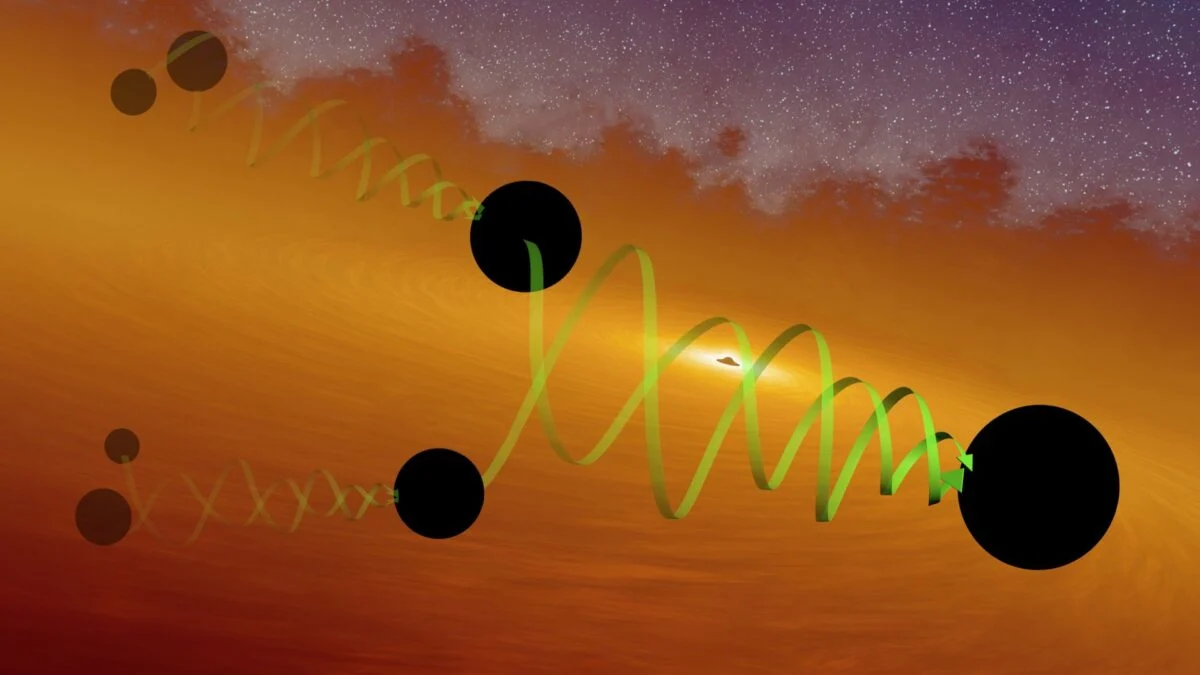
Primordial black holes (PBHs) are hypothetical relics from the early universe. During the inflationary epoch, primordial fluctuations in matter density may have led to the formation of these black holes. PBHs are considered a potential candidate for dark matter, the invisible form of matter that accounts for most of the matter in the universe by mass. As PBHs travel through space, they may pass through stars.
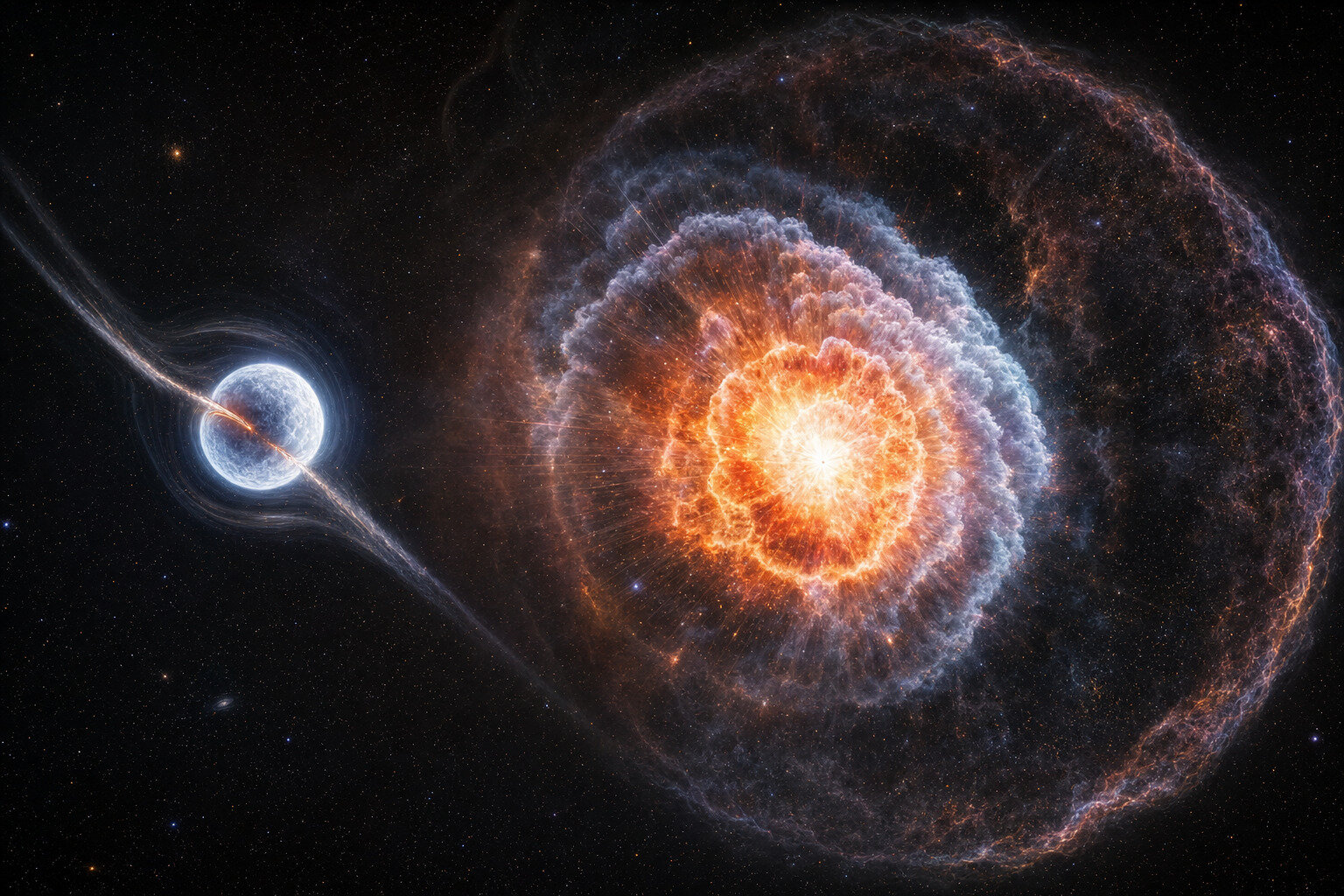
Previous studies have shown that the intense tidal forces generated during a PBH's passage could trigger a white dwarf—the final evolutionary stage of a low-mass star—to explode as a type Ia supernova. Leung and his collaborators are investigating the dynamical, observational and chemical characteristics of supernovae produced through this newly proposed explosion mechanism.