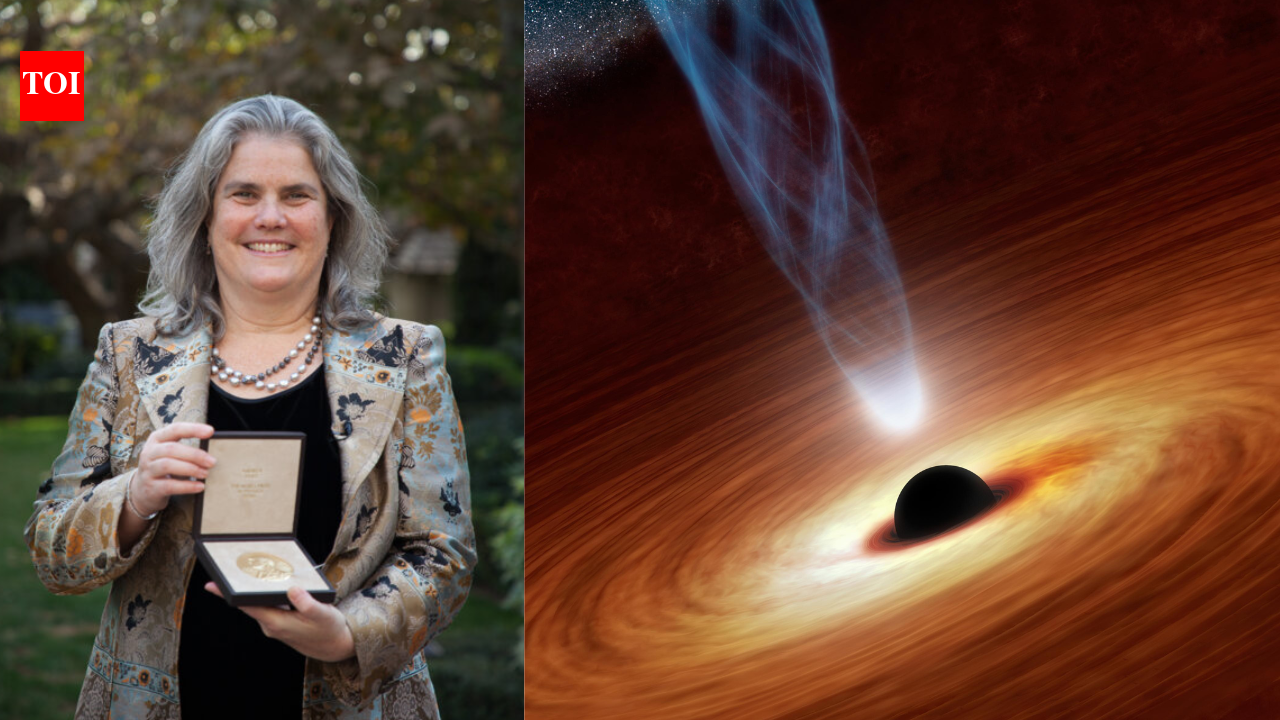
She was always fascinated by mathematics, logic puzzles and the thrill of solving difficult problems while Andrea Ghez was growing up in Chicago.
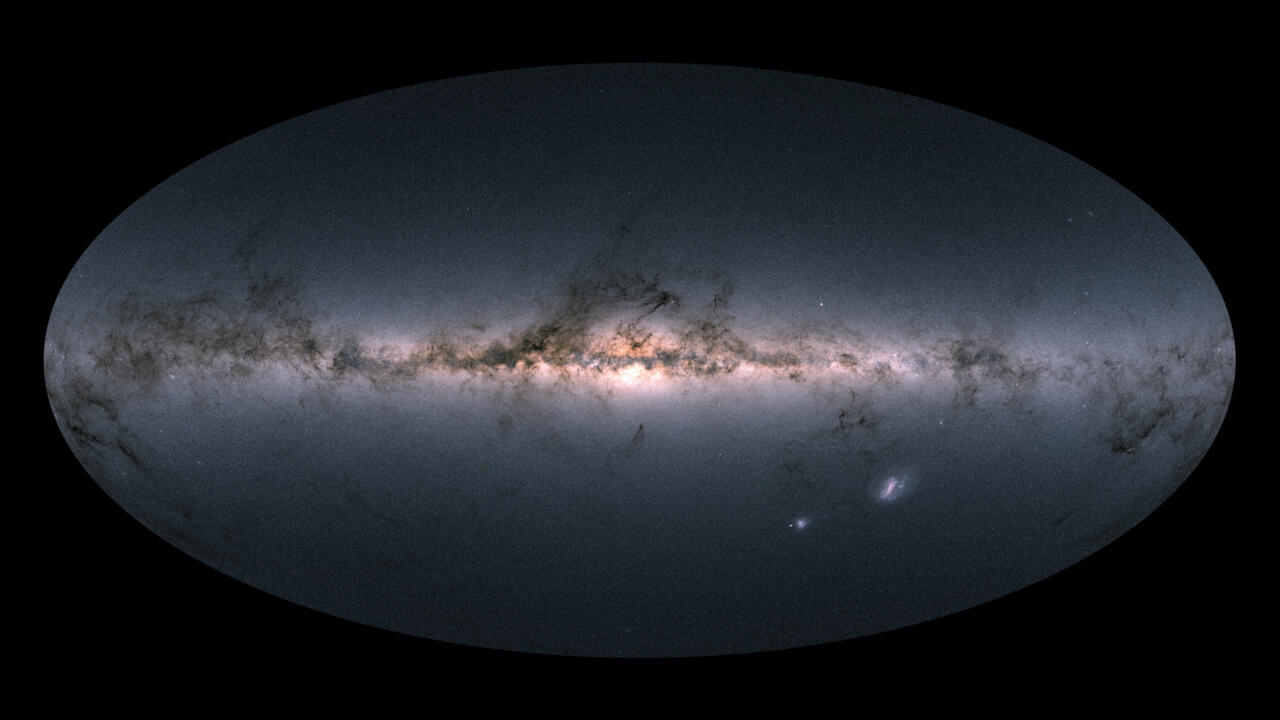
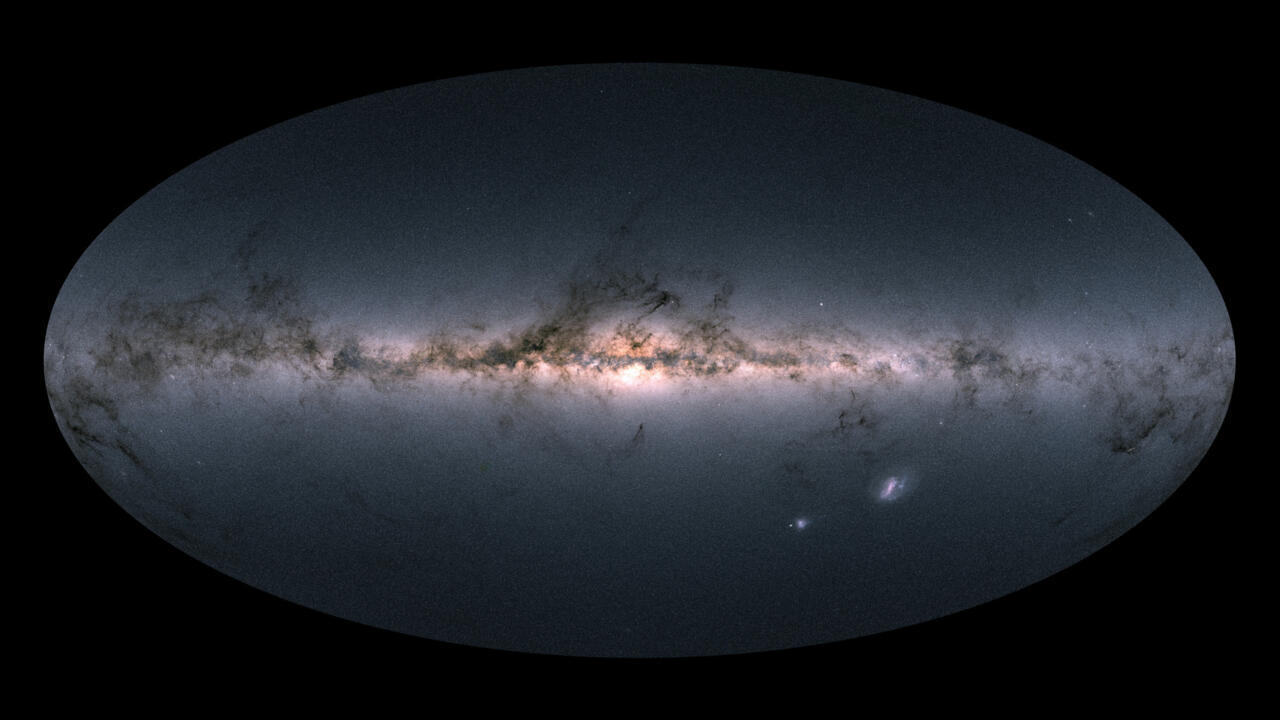
What began as a curiosity about how things worked eventually led her to ask one of astronomy's biggest questions: what lies at the centre of our galaxy?
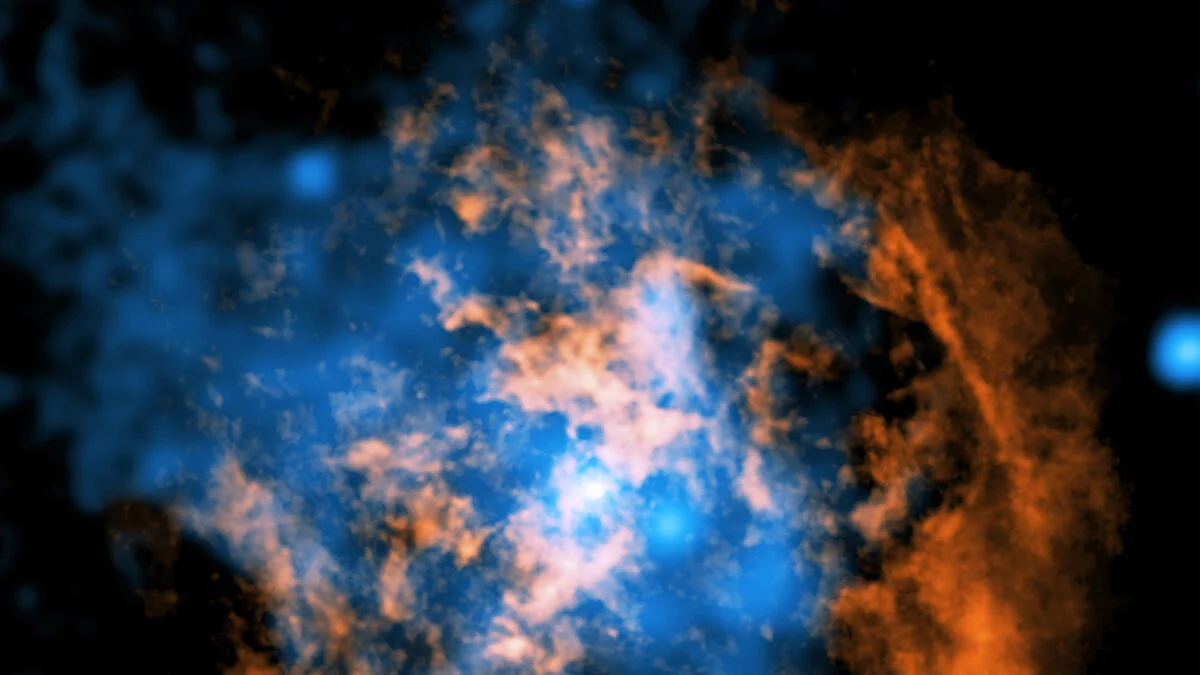
Unknown to the fact that decades later, her pioneering observations would provide some of the strongest evidence yet for the existence of a supermassive black hole at the heart of the Milky Way.
In 2020, Ghez became one of the recipients of the Nobel Prize in Physics for her revolutionary work tracking stars orbiting an invisible yet extraordinarily massive object known as Sagittarius A*.
Her journey from a puzzle-loving schoolgirl to one of the world's most influential astronomers demonstrates how persistence, curiosity and scientific rigour can transform our understanding of the universe.The scientific breakthrough that revealed a supermassive black hole in the Milky WayAndrea Ghez, a professor of physics and astronomy at the University of California, Los Angeles (UCLA), spent more than two decades studying the crowded region surrounding Sagittarius A*, the compact radio source located at the centre of the Milky Way.Using the powerful telescopes at the W.