Taking a fresh look at data involving a specific type of stellar explosion, a team of researchers says it has confirmed the long-accepted notion that the universe is expanding at an accelerated rate – the very observation that led to the identification in the 1990s of an enigmatic cosmic force called dark energy.
The study's results rebut research published last year that concluded that this cosmic expansion is no longer speeding up – a finding that had challenged the basic understanding of the universe.
"The universe is still accelerating," said astrophysicist Brodie Popovic of the University of Southampton in England, one of the leaders of the study published this month in the journal Monthly Notices of the Royal Astronomical Society.
"There's still a lot we don't know and are excited to learn, but we think we're on the right track," Popovic said.
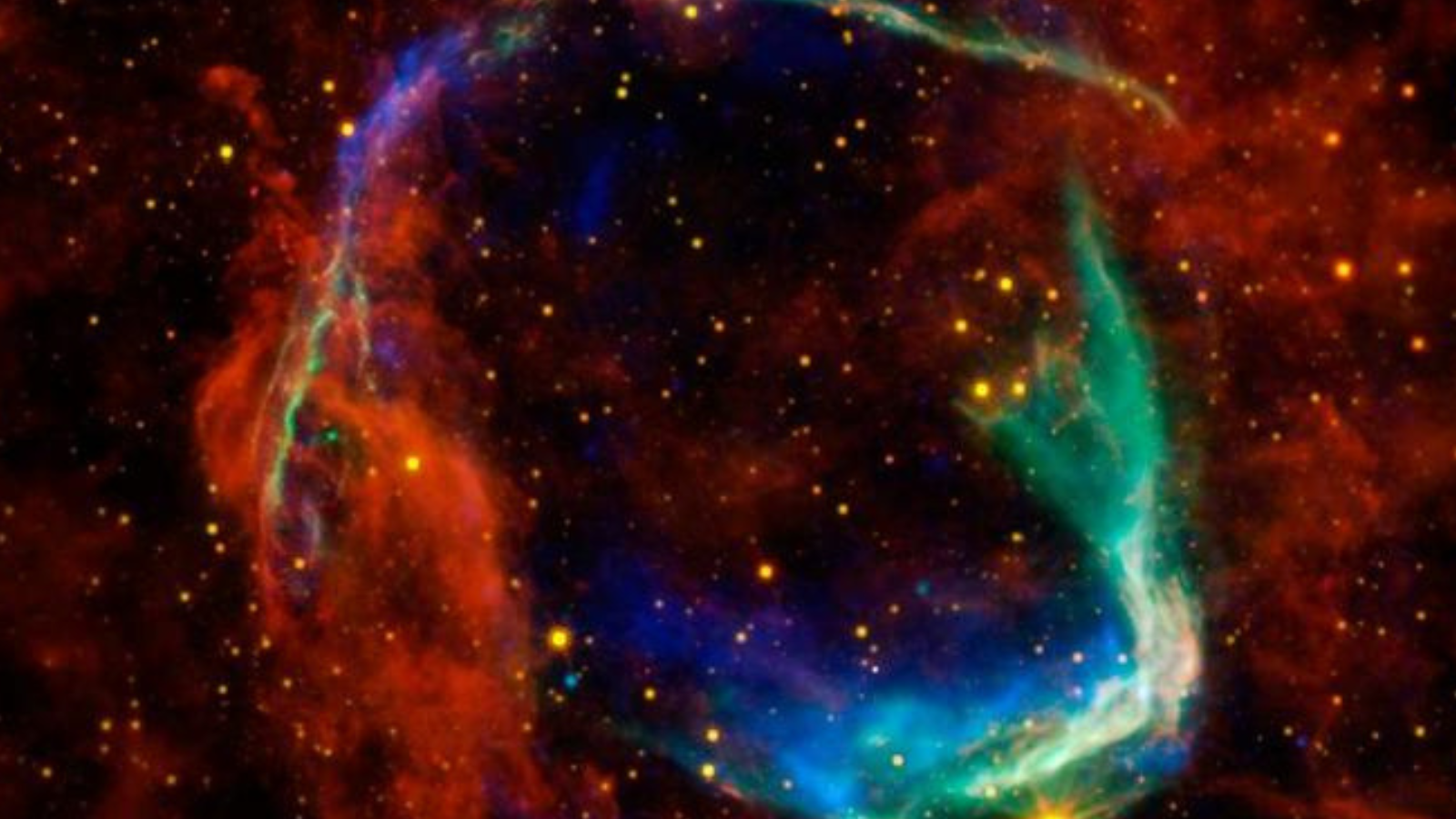
The study's findings, by a team that included two Nobel Prize recipients, were guided by observations in two different datasets of a type of stellar explosion called a Type Ia supernova in order to calculate vast cosmic distances. These supernovas cause the destruction of an object called a white dwarf, the dense remnant of a low – to intermediate – mass star at the end of its lifecycle.