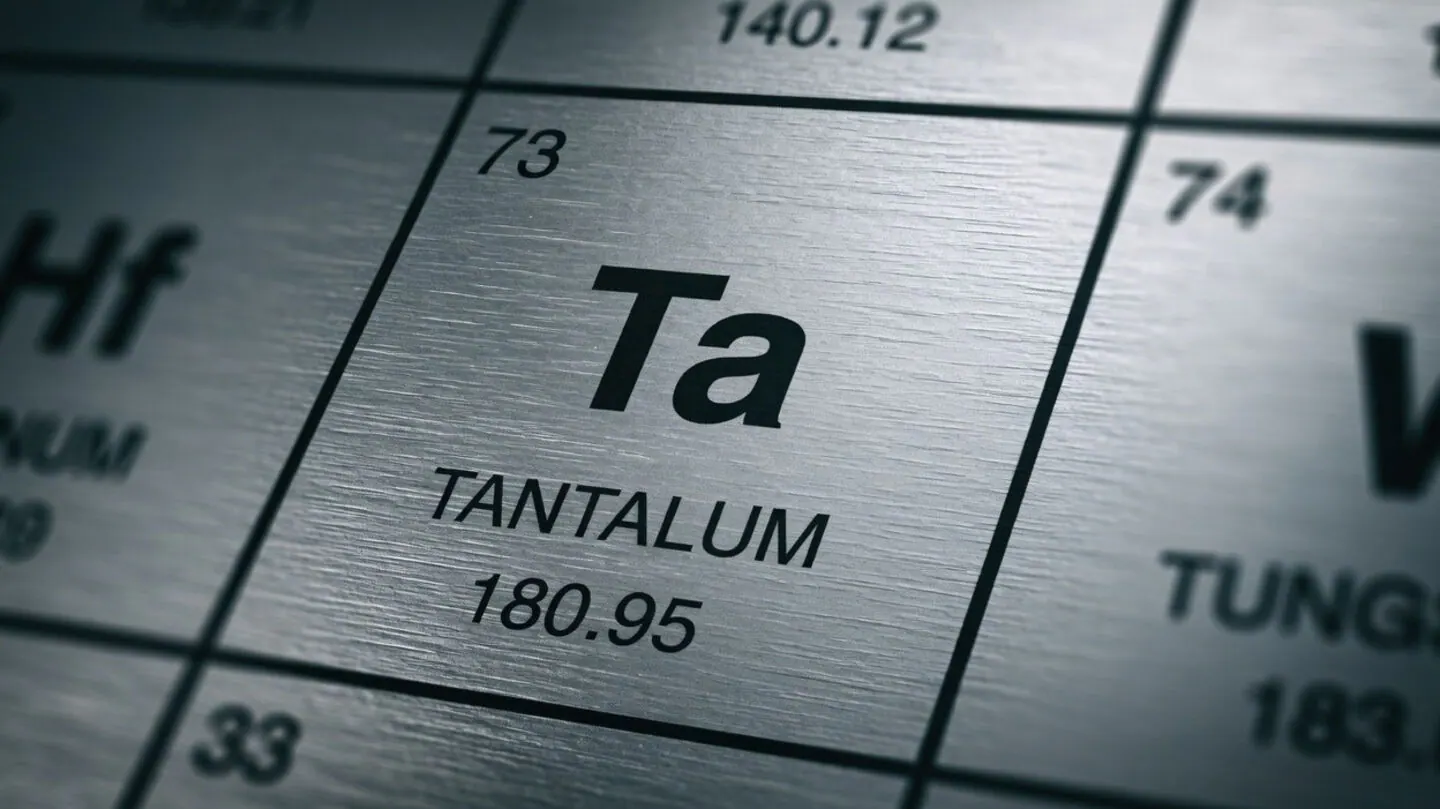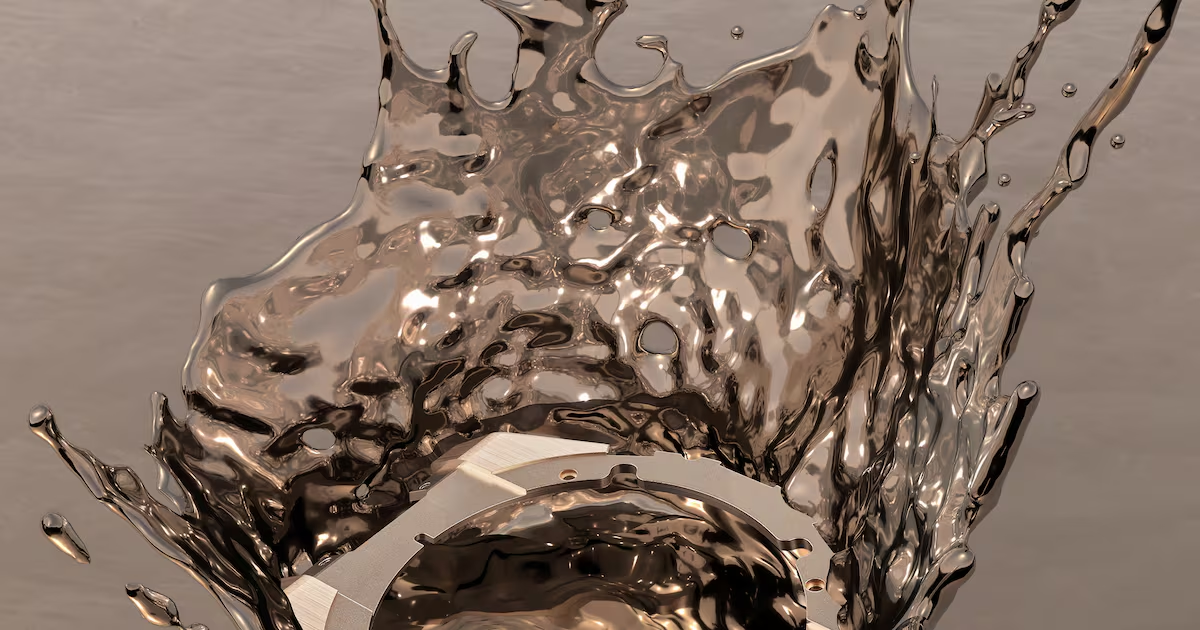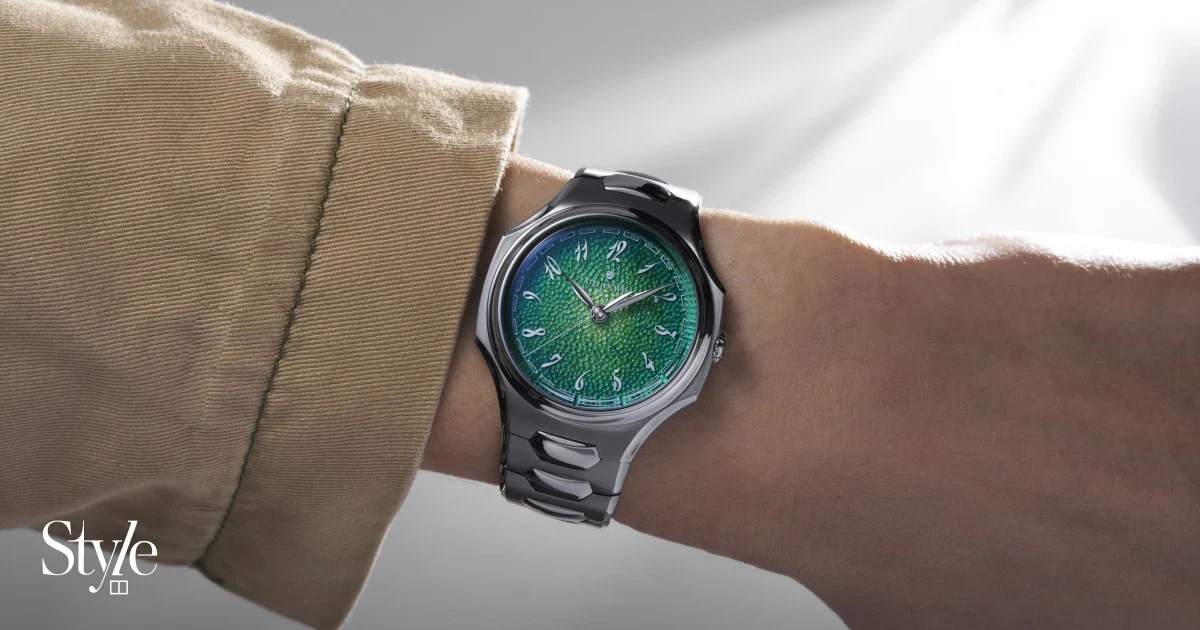
Notoriously difficult to work with, the blue-grey metal is nevertheless appealing to independent horologists like H. Moser & Cie, Atelier Wen, Fleming and MingWhen Swedish chemist Anders Gustaf Ekeberg discovered tantalum in 1802, little did he know that the metal would be widely used today in mobile phones, surgical equipment, aerospace components and watches. Classified as a transition metal in the periodic table, tantalum is a very dense and hard material with a high melting point. It also features a blue-grey sheen that is particularly appealing to luxury watchmakers and collectors.“Tantalum is naturally a beautiful blue-grey. It is not a surface treatment, it is the natural colour of the metal,” says Robin Tallandier, one of the co-founders of boutique watchmaker Atelier Wen. “And the tone is alive: it shifts subtly with ambient lighting, so the watch feels dynamic and never quite the same twice. There is nothing comparable in nature, which makes it genuinely unique.”H. Moser & Cie Endeavour Perpetual Calendar Concept Tantalum. Photo: HandoutAs a high-density metal, tantalum literally carries considerable weight. Tallandier points out that the metal sits between 18k gold and platinum in density, so “if you love watches with real wrist presence, it is hard to beat”.Jackie Ho is an avid collector and founder of Watch Ho & Co, a community that he built for fellow watch enthusiasts. He explains tantalum’s particular appeal for him. “It comes back to what draws me to independent watchmaking in general; the idea that every choice a maker produces is intentional and that a piece rewards you the more attention you give it,” he says. “Tantalum fits that perfectly.”Ho says that as collectors’ knowledge grows and they move beyond chasing luxury logos and turn their attention instead to the materials, finishing and craft behind high horology, “tantalum offers a lot to appreciate”.The Inflection from Atelier Wen, with a blue grand feu enamel dial. Photo: Handout“It’s quiet, but it’s serious. That combination is increasingly what I and many collectors I know are looking for,” he says.Intriguing as the metal is, tantalum hasn’t reached mainstream material status in the watchmaking world – in part because it is extremely hard to work with. “Tantalum is notoriously difficult to machine,” says Ho. “It’s extremely ductile and tends to gall and work-harden during cutting, which means tooling wears quickly and tolerances are hard to hold.”Galling is when some of the metal being used in watchmaking breaks off and transfers instead to another metallic surface, such as the cutting tool. “Tantalum chips do not break: they elongate and weld themselves directly to the cutting edge, forming what machinists call a built-up edge,” Tallandier explains. “This destroys both the tool and the surface finish almost instantly. Operators have to use very slow cutting speeds, specific feed rates, dedicated tool geometries and frequent tool changes just to keep the cut clean.”Fleming Series 1 Mark II Redwood in red gold (above) and Pacific in tantalum. Photo: Handout
Why tantalum is the ‘final boss’ of watchmaking materials
Notoriously difficult to work with, the blue-grey metal is nevertheless appealing to independent horologists like H. Moser & Cie, Atelier Wen, Fleming and Ming.
488 words~2 min read