By
Ed Kilgore,
political columnist for Intelligencer since 2015
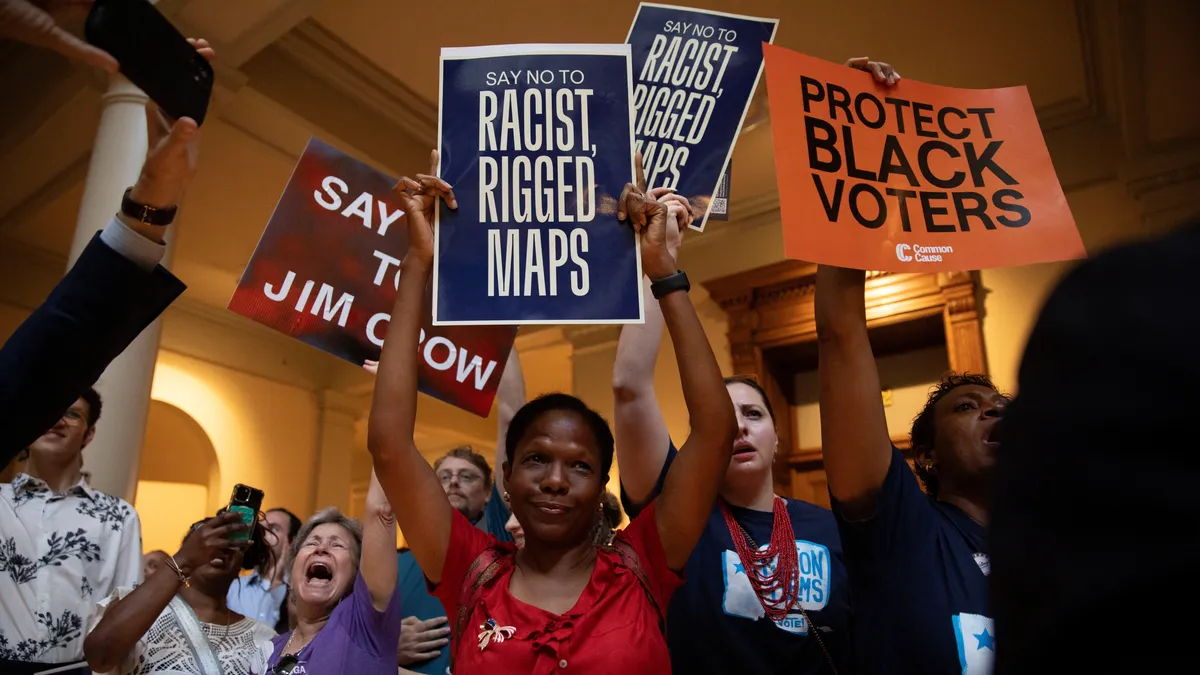
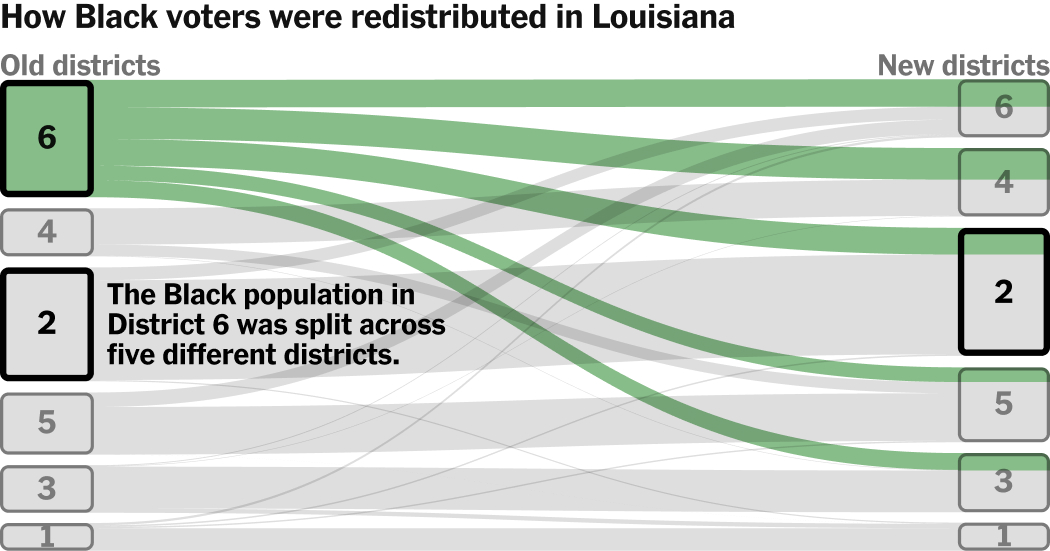
When the U.S. Supreme Court handed down its landmark Louisiana v. Callais decision in late April, it looked like southern Republicans might engage in an immediate and unprecedented frenzy of judicially sanctioned partisan and racial gerrymandering. The Court’s six-justice conservative majority swept away long-standing Voting Rights Act limitations on drawing blatantly partisan congressional and state legislative maps in ways that decimated majority-Black districts and Black representation generally. Egged on by the Trump administration and frantic to mitigate likely midterm losses, GOP governors and legislators (who have trifecta control of most of the states of the former Confederacy) quickly jumped on gerrymandering opportunities. Louisiana, Alabama, and Tennessee each hastily redrew congressional maps to extinguish a preexisting majority-Black district, effective immediately. Florida used Callais as a legal justification for a major partisan gerrymander it was already planning.
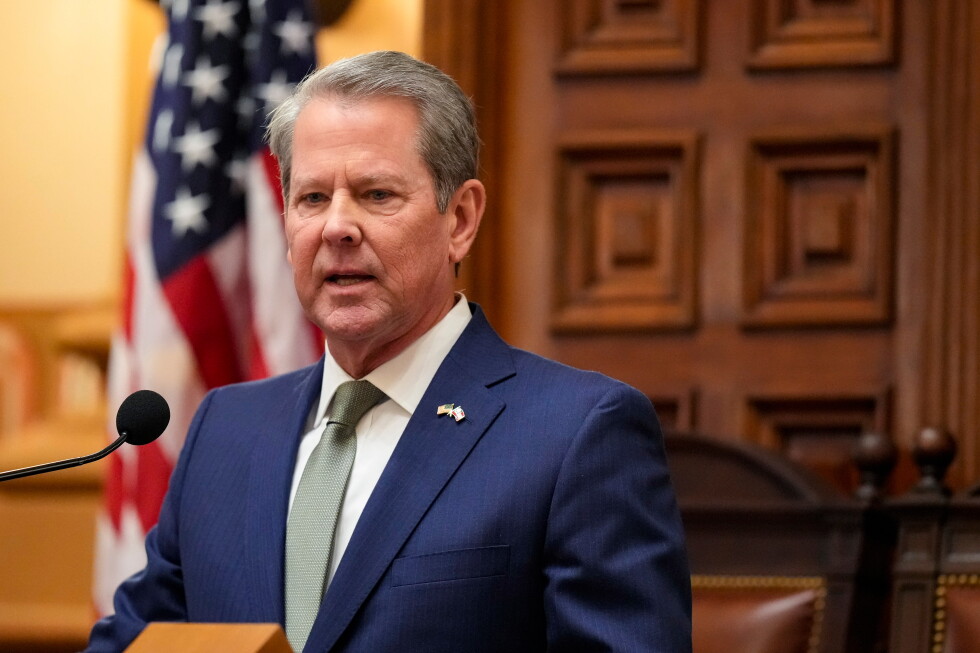
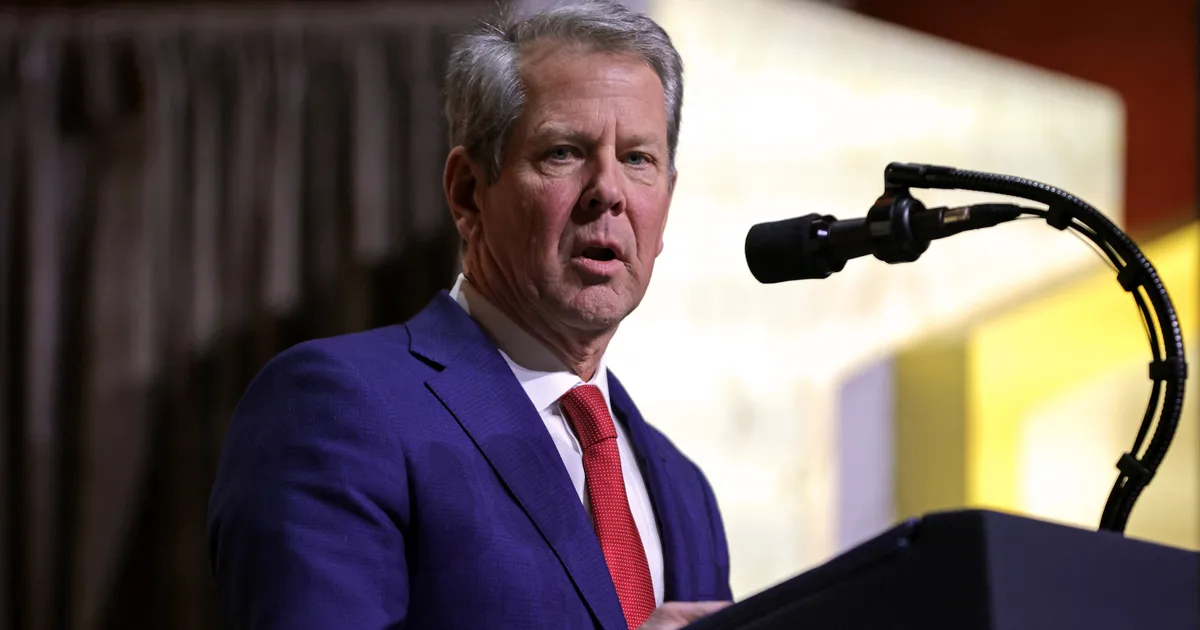
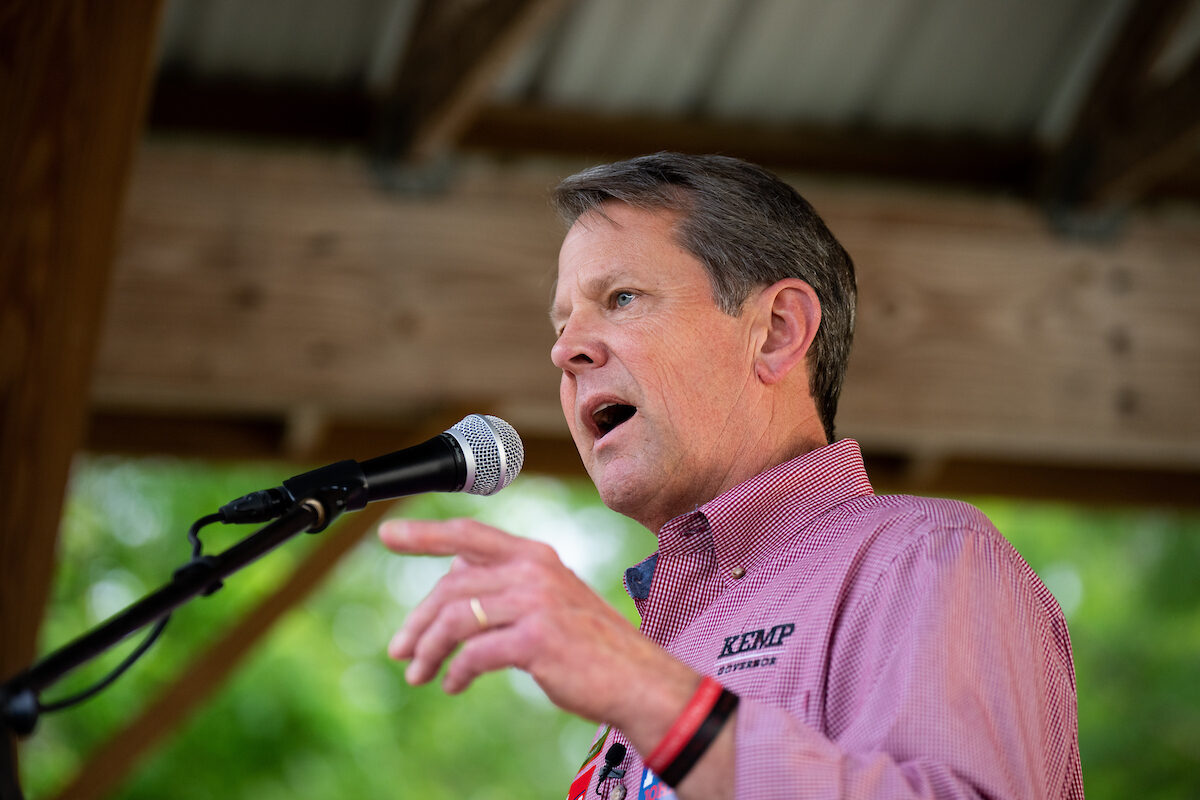
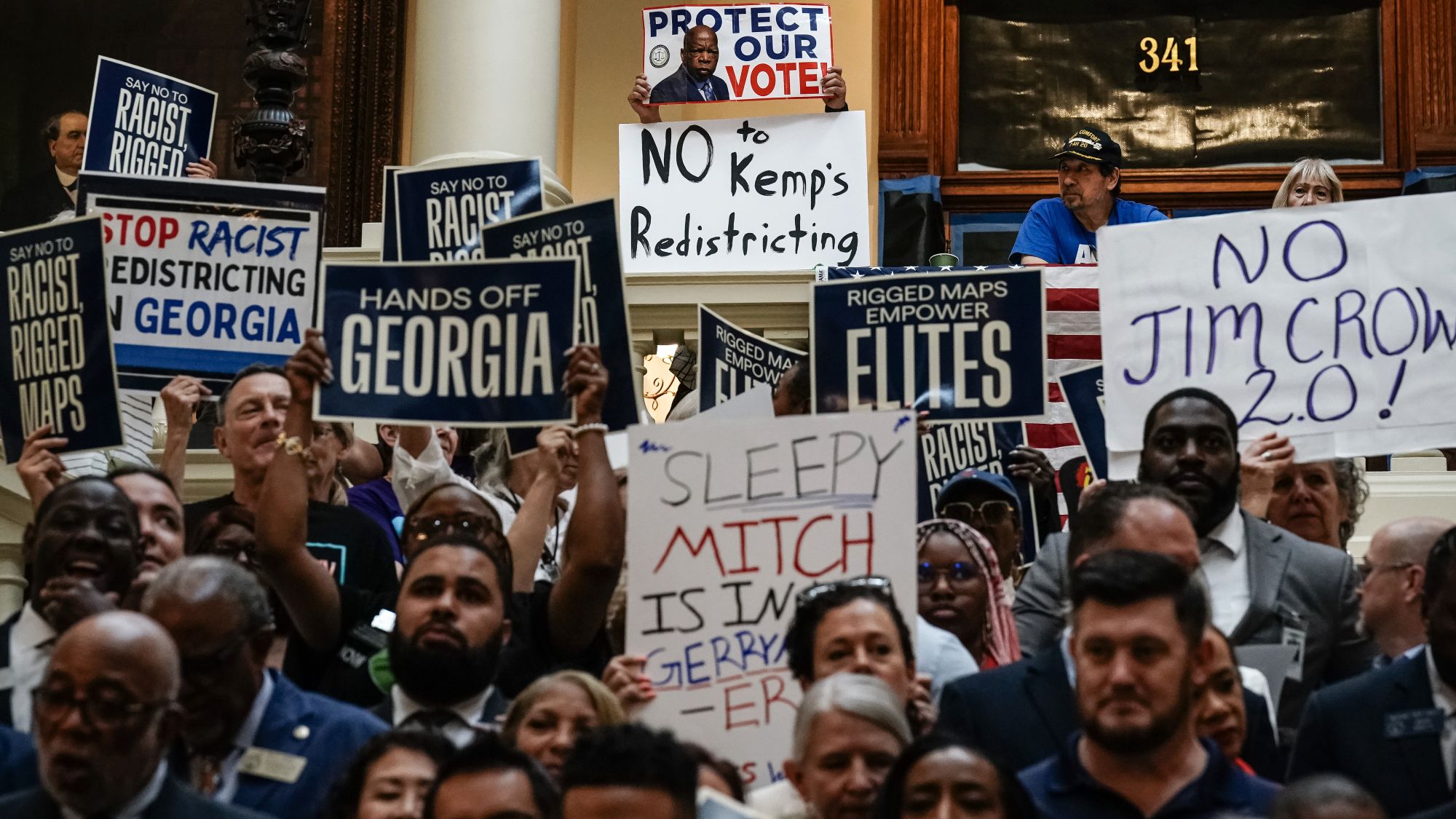
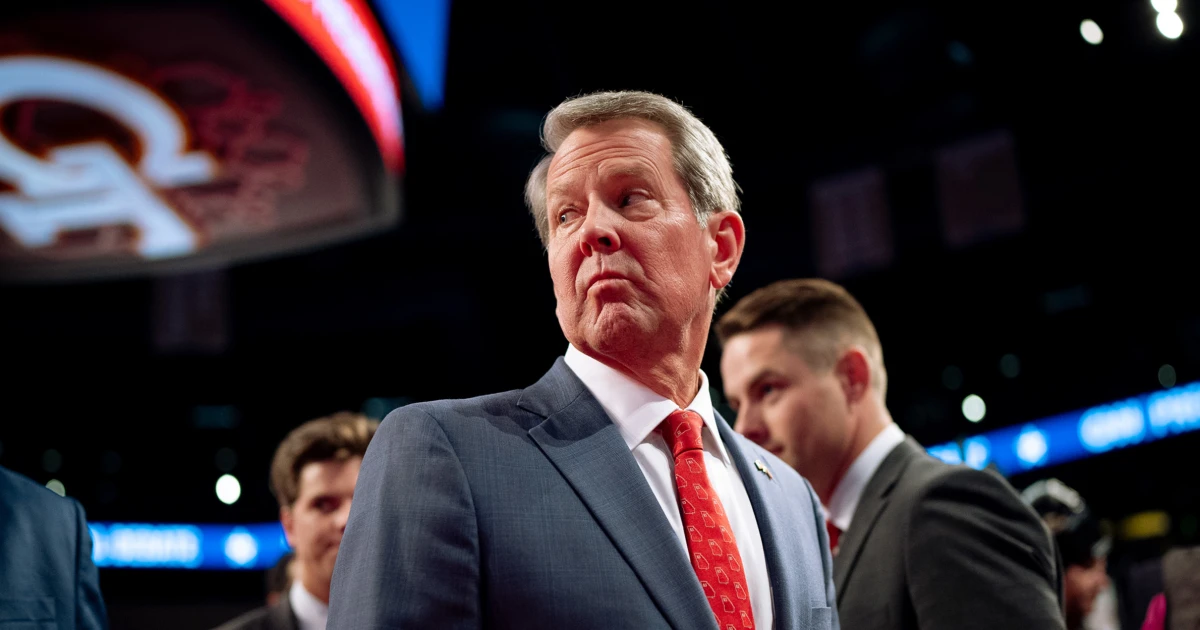
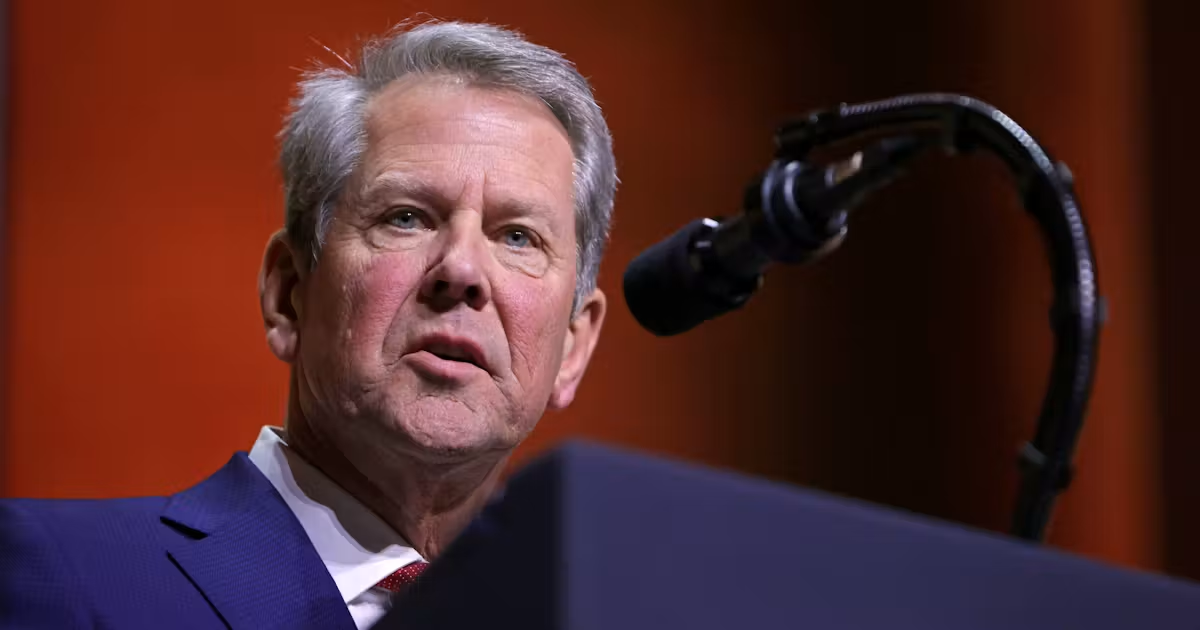
The timing of the decision, however, meant the worst didn’t happen right away to Black representation. Georgia, Mississippi, and South Carolina all decided it was too late in the election year to redraw districts for use in 2026. But all three states looked likely to go back to the till before the 2028 elections to flip some more districts from majority-Black and Democratic to mostly white and Republican. And in Georgia, the state with the largest Black congressional delegation, Republican governor Brian Kemp signaled he would add pre-2028 redistricting to the agenda of a June 17 special session that he had already called to make an essential change to the state’s ballot design. Initial reports were that Georgia Republicans would defenestrate two Black members of Congress (Sanford Bishop and, probably, Lucy McBath) and perhaps undermine others.