The path to becoming a scientist is long and twisting, making it difficult to assess whether programs intended to help those careers along are successful.
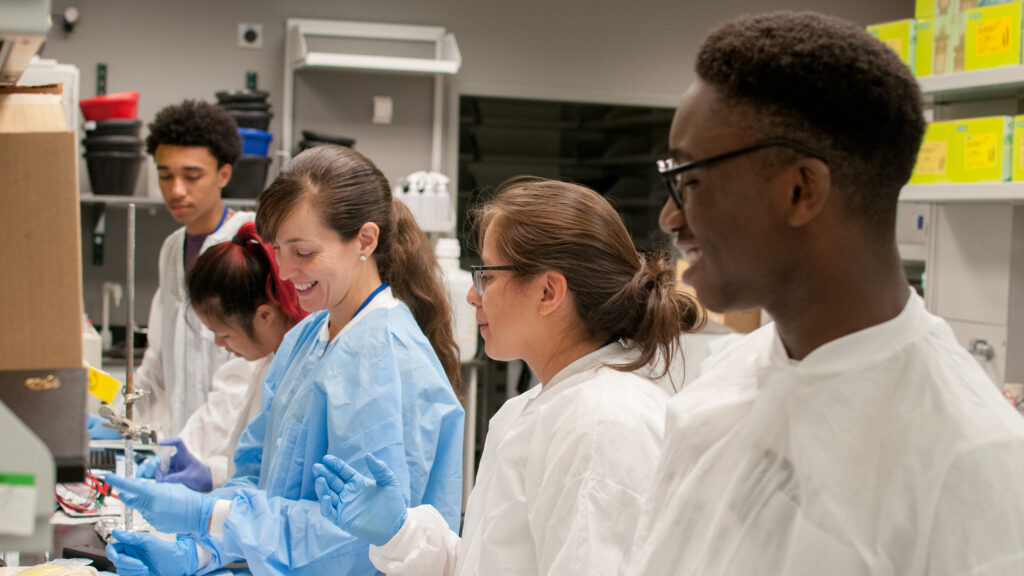
But on Wednesday, the results of one such study are being published after 20 years of research. The paper in the journal Science Advances, found that two diversity-oriented programs supported by the National Institutes of Health doubled the odds that an undergraduate student would earn a Ph.D.
The new data are being released in a political environment much less kind to such programs than when they began three decades ago. Over the past year, both programs, the Research Initiative for Scientific Enhancement (RISE) and Minority Access to Research Careers (MARC), were terminated by the Trump administration — as was the funding for the study itself.
“I believe in mentoring, and I believe it works. So I’m not surprised at the finding at all, but I think it’s very important to underscore it in this environment,” said Donna Ginther, an economist who has studied racial funding gaps at the NIH and was not affiliated with the new paper.
The RISE and MARC programs were created in response to the NIH Revitalization Act of 1993, which called for the agency to “increase the number of underrepresented minorities engaged in biomedical and behavioral research.” The RISE program provided funding to institutions to create educational and mentoring opportunities for students to prepare them for a career in biomedical research. The MARC program provided two years of funding directly to undergraduates to do research along with professional training.