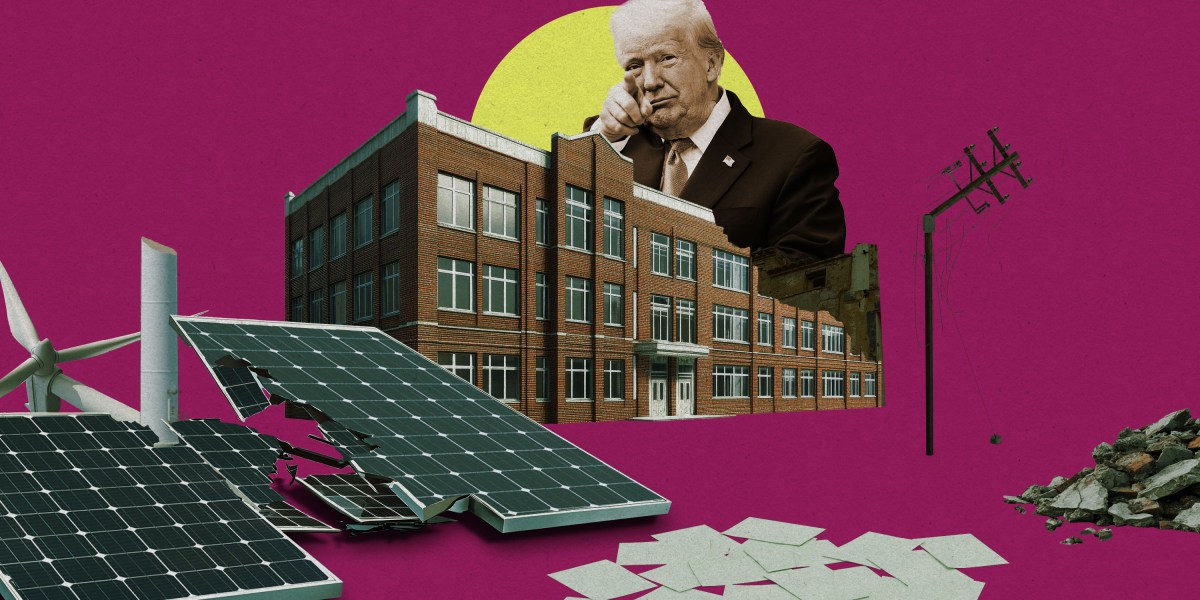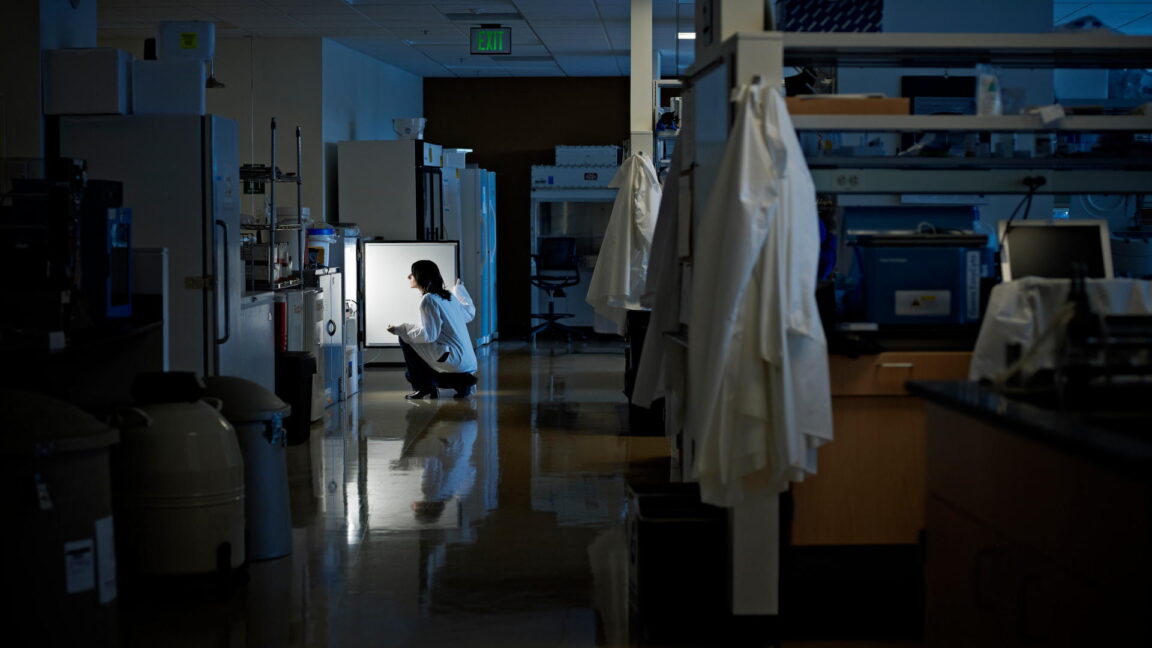
Smaller post-grad classes are likely due to research budget cuts.
Since the National Science Foundation first started collecting postgraduation data nearly 70 years ago, the number of PhDs awarded in the United States has consistently risen. Last year, more than 45,000 students earned doctorates in science and engineering, about an eight-fold increase compared to 1958.
But this level of production of science and engineering PhD students is now in question. Facing significant cuts to federal science funding, some universities have reduced or paused their PhD admissions for the upcoming academic year. In response, experts are beginning to wonder about the short and long-term effects those shifts will have on the number of doctorates awarded and the consequent impact on science if PhD production does drop.
Such questions touch on longstanding debates about academic labor. PhD training is a crucial part of nurturing scientific expertise. At the same time, some analysts have worried about an oversupply of PhDs in some fields, while students have suggested that universities are exploiting them as low-cost labor.
Many budding scientists go into graduate school with the goal of staying in academia and ultimately establishing their own labs. For at least 30 years, there has been talk of a mismatch between the number of doctorates and the limited academic job openings. According to an analysis conducted in 2013, only 3,000 faculty positions in science and engineering are added each year—even though more than 35,000 PhDs are produced in these fields annually.