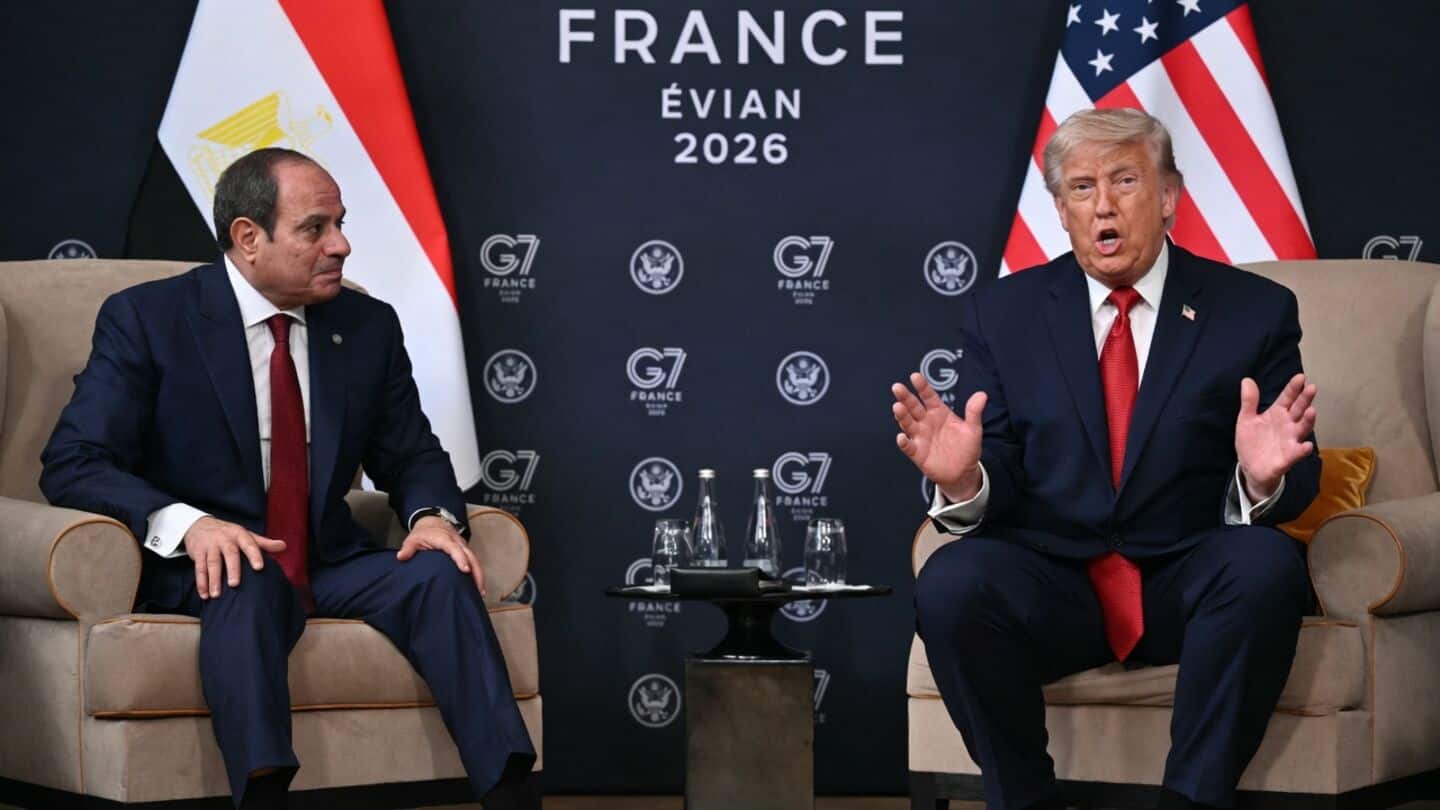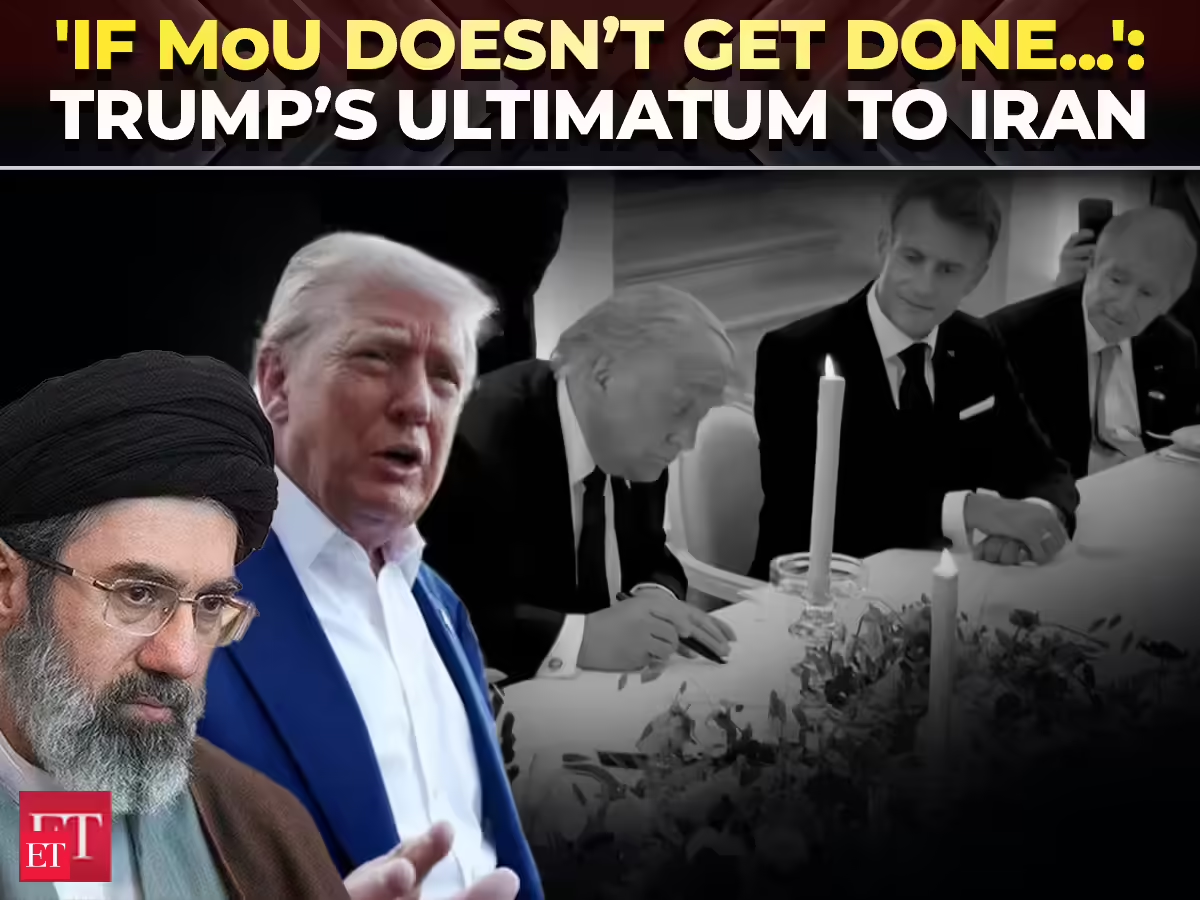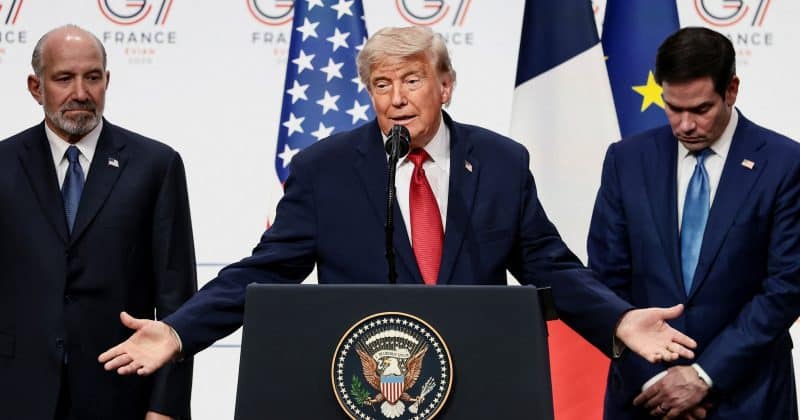
President Trump on June 17 warned that the US could resume bombing Iranian targets if Tehran fails to comply with the terms of a memorandum of understanding signed just days earlier. The threat came alongside a pointed clarification: the MOU should not be mistaken for a final deal.
What the MOU actually covers
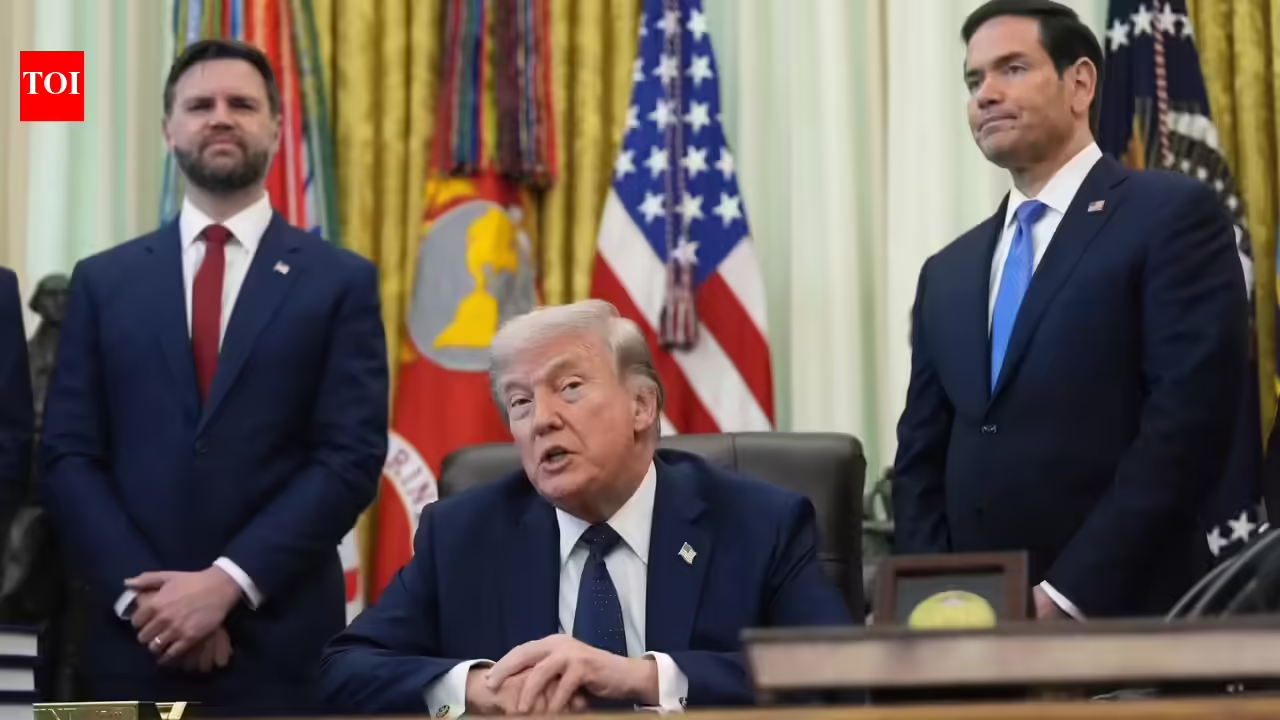
The preliminary agreement, virtually signed on June 15 with Trump, Vice President JD Vance, and Iranian officials reportedly present, is designed to accomplish two immediate goals: end active hostilities and reopen the Strait of Hormuz.
The MOU deliberately separates these urgent items from the harder, longer-term questions. Iran’s nuclear program and the sanctions architecture surrounding it are carved out for a separate 60-day negotiation window that is set to begin once a formal signing takes place, expected around June 19-20.
Trump’s comments on June 17 made clear that the US views Iran’s obligations as extending beyond whatever is literally written in the MOU text. He referenced “understandings not written in the memorandum of understanding,” a phrase that introduces substantial ambiguity into what compliance actually means.