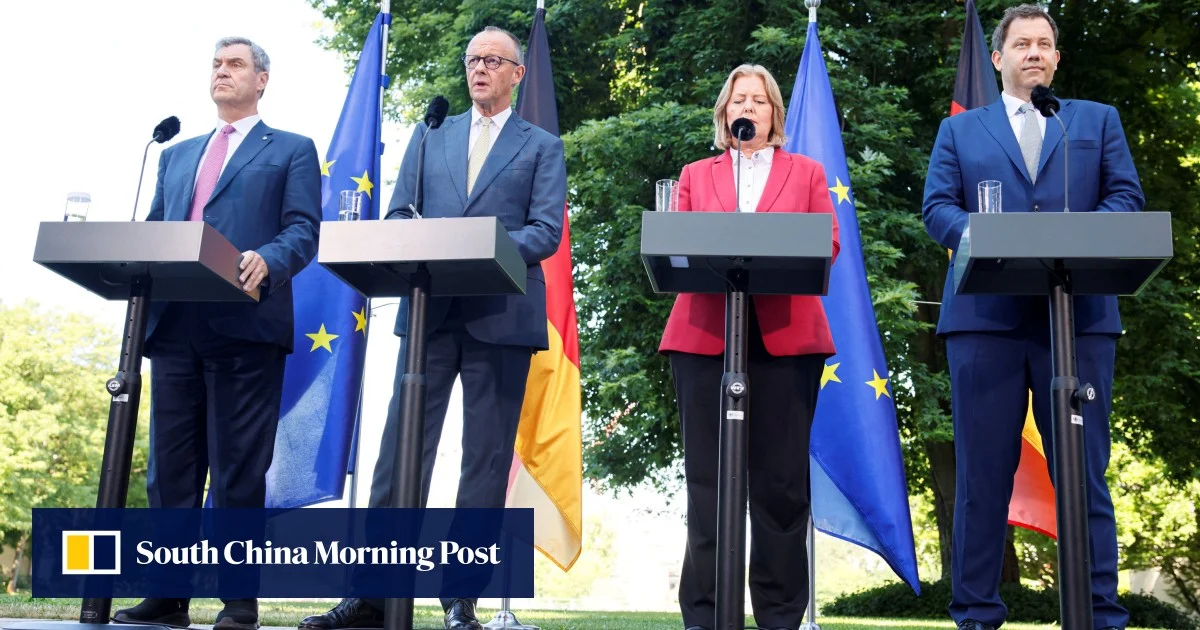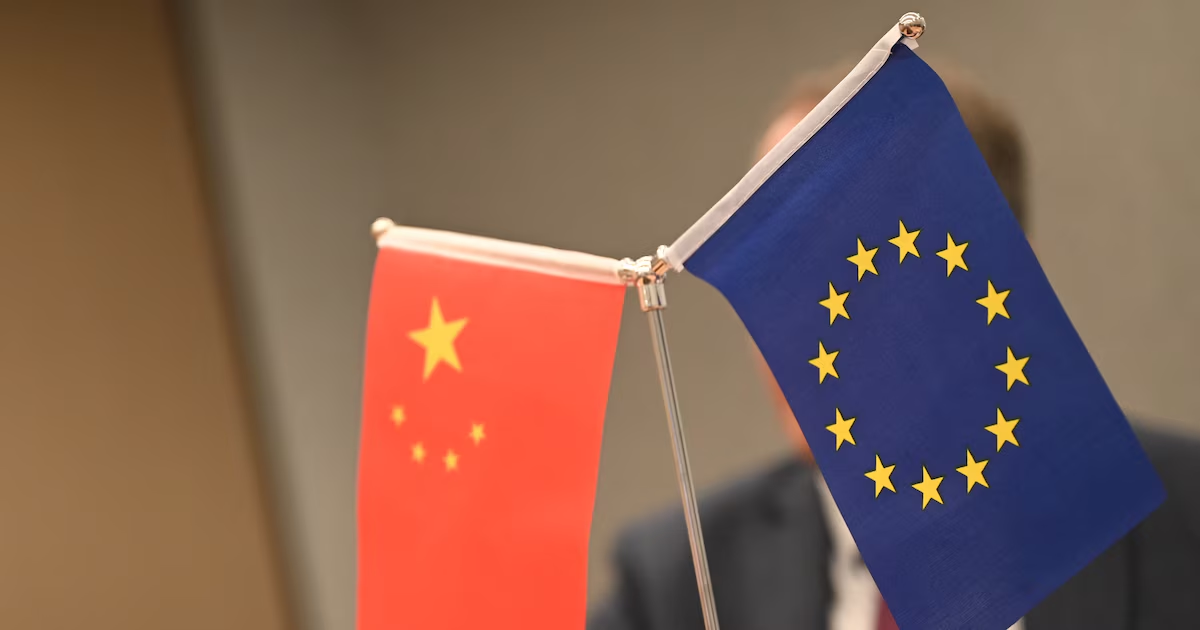
France has secured something that would have seemed unlikely just a couple of years ago: Germany’s backing for new EU powers to rapidly impose tariffs on China. The proposal would give Brussels enhanced authority to act more quickly against what European leaders view as a flood of cheap Chinese imports threatening the continent’s manufacturing base.
What France is proposing
French advisers earlier this year floated some specific numbers: a 30% tariff on Chinese goods, or alternatively, a 20-30% depreciation of the euro to offset competitive imbalances. The tariff route appears to be the more politically viable path.
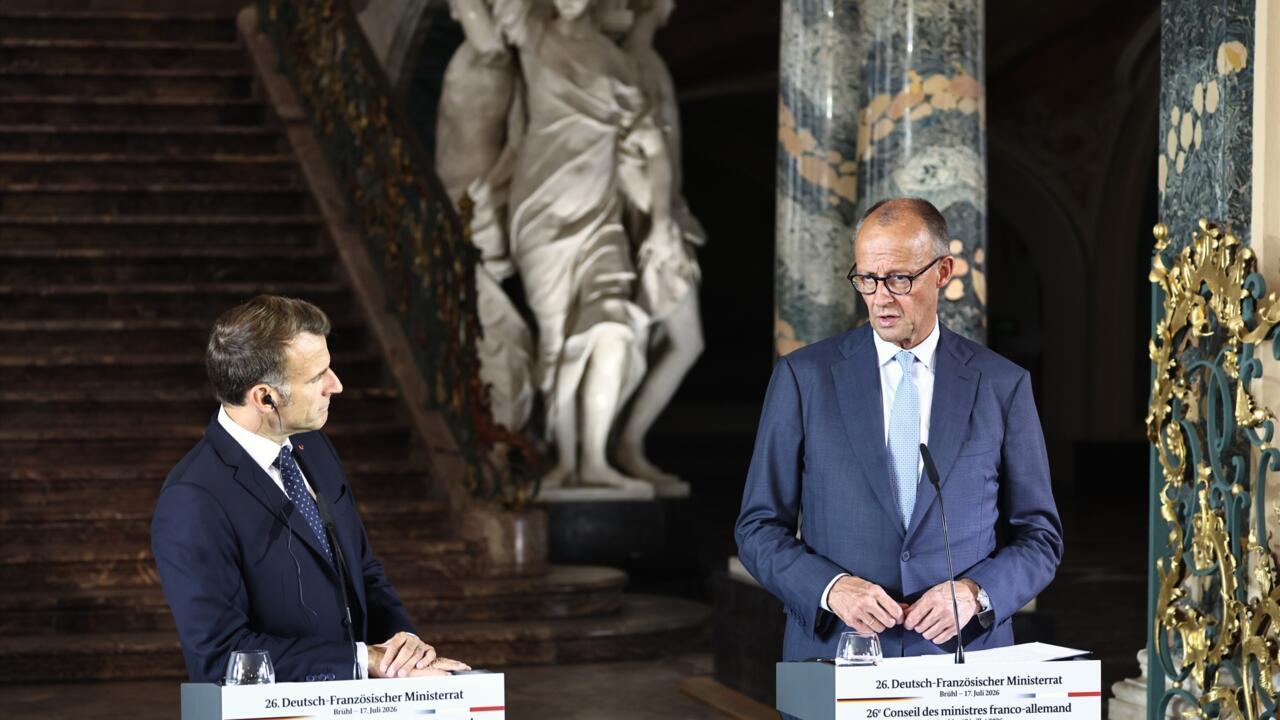
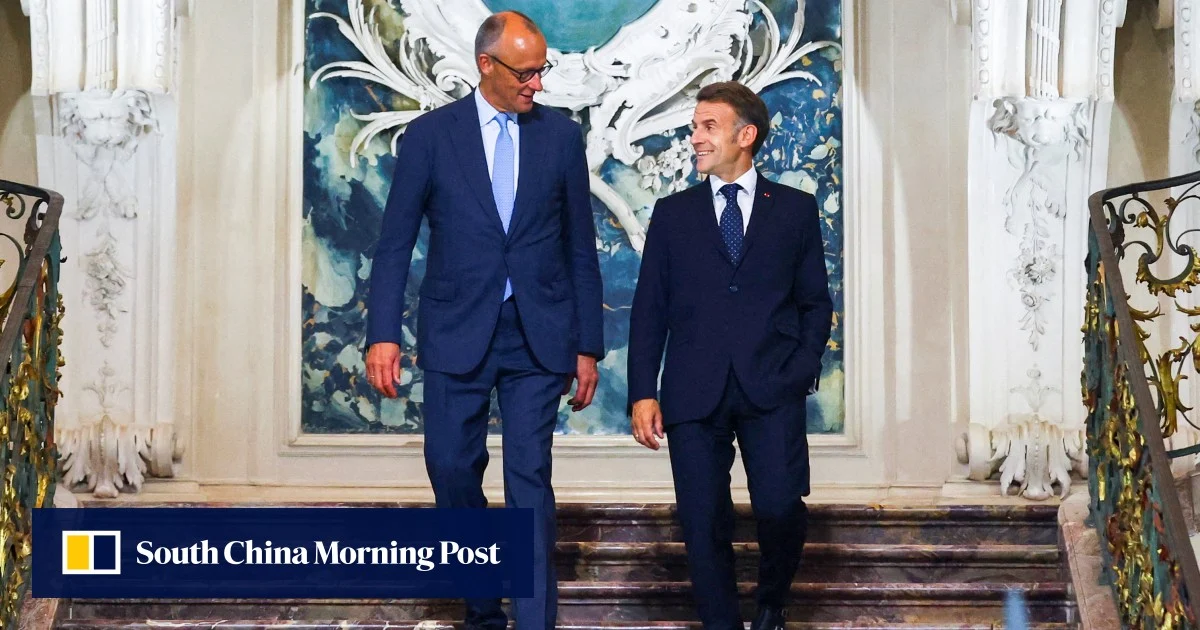
By May, five EU nations led by France had coalesced around a call for expedited and broader application of tariffs and safeguards against China’s trade practices. Germany’s willingness to join this chorus is what makes the current moment different from previous rounds of trade hawkishness emanating from Paris.
The EU already imposed tariffs of roughly 35% on Chinese electric vehicles back in 2024. Germany initially resisted those measures, worried about what Beijing might do to German automakers in response. The fact that Berlin has now moved toward supporting even broader tariff authority suggests the threat calculus has fundamentally shifted.