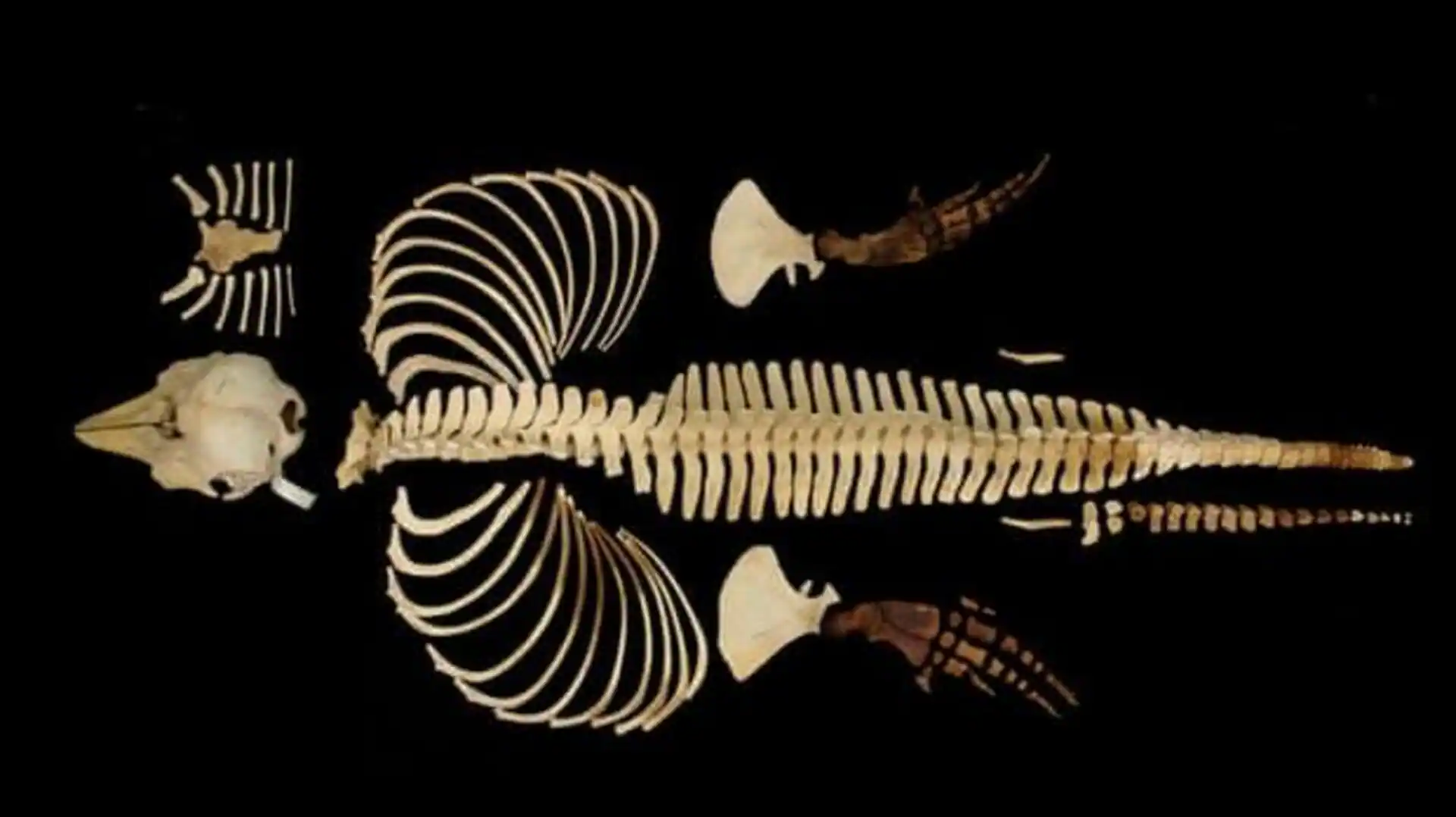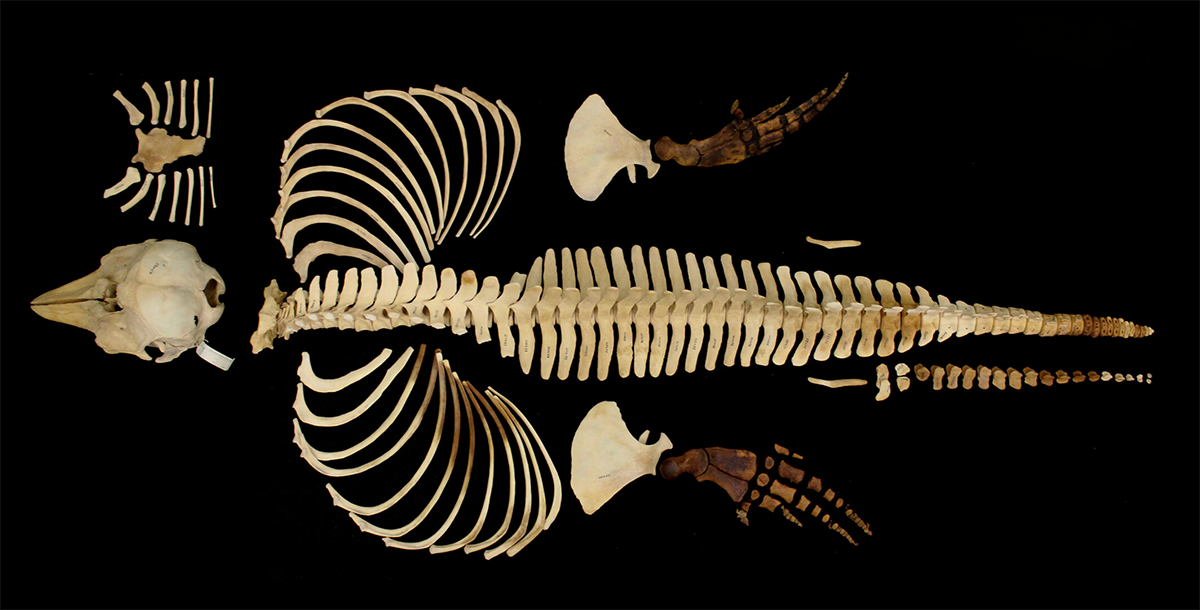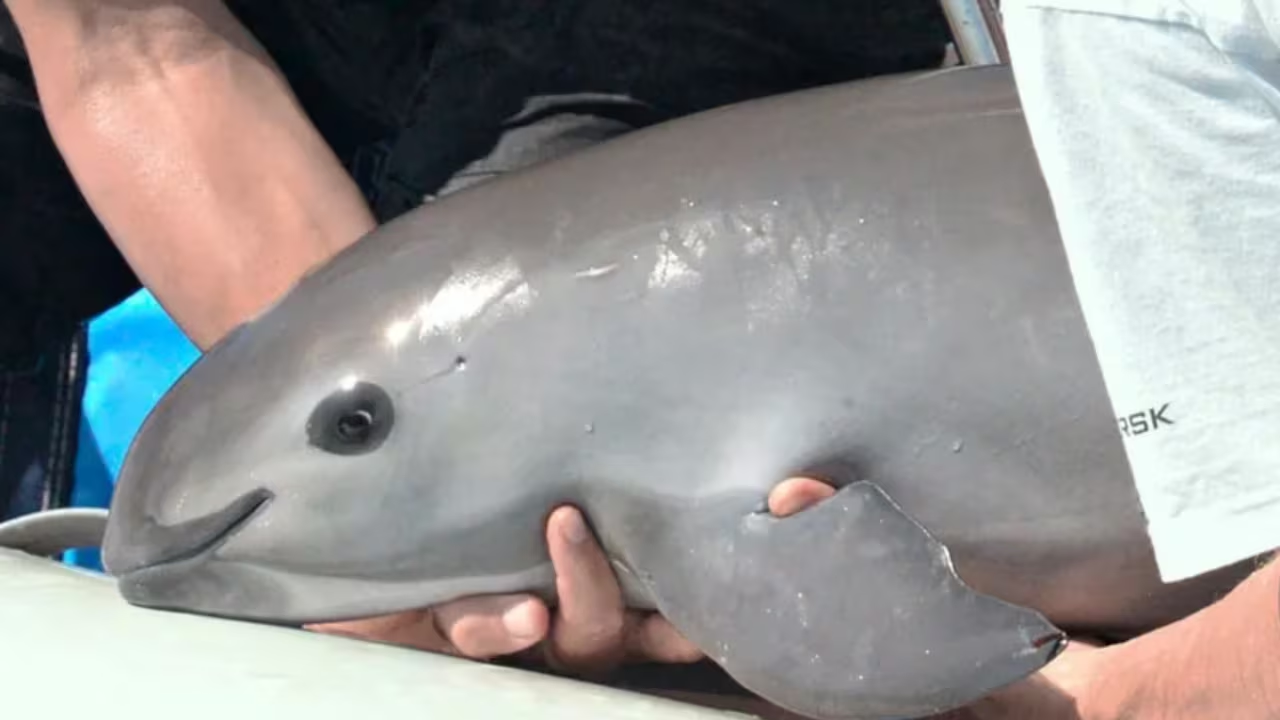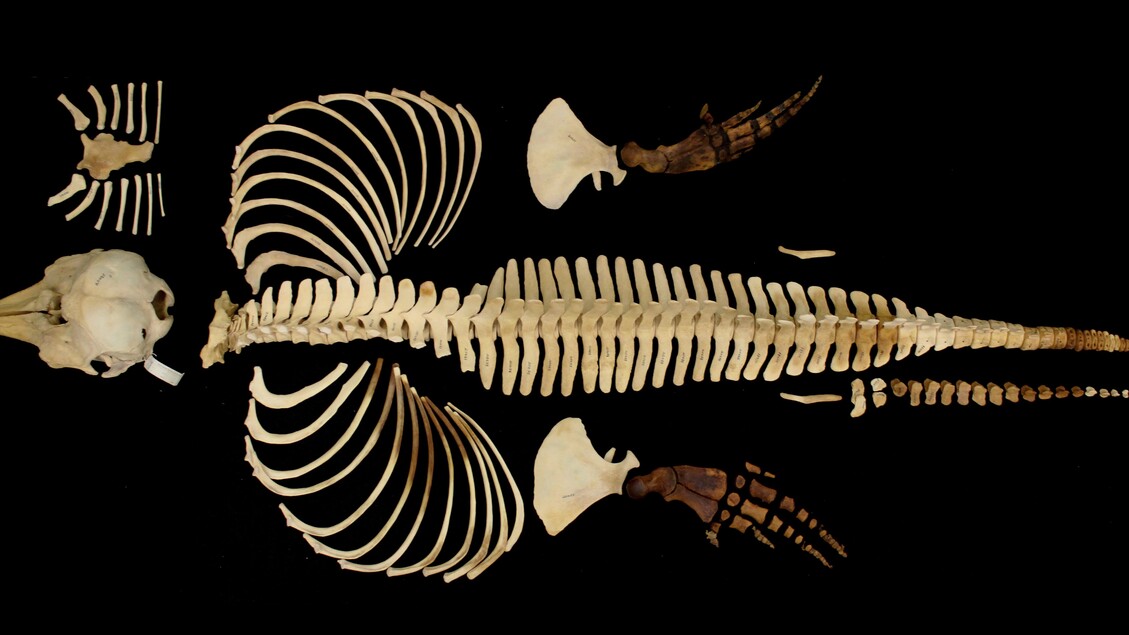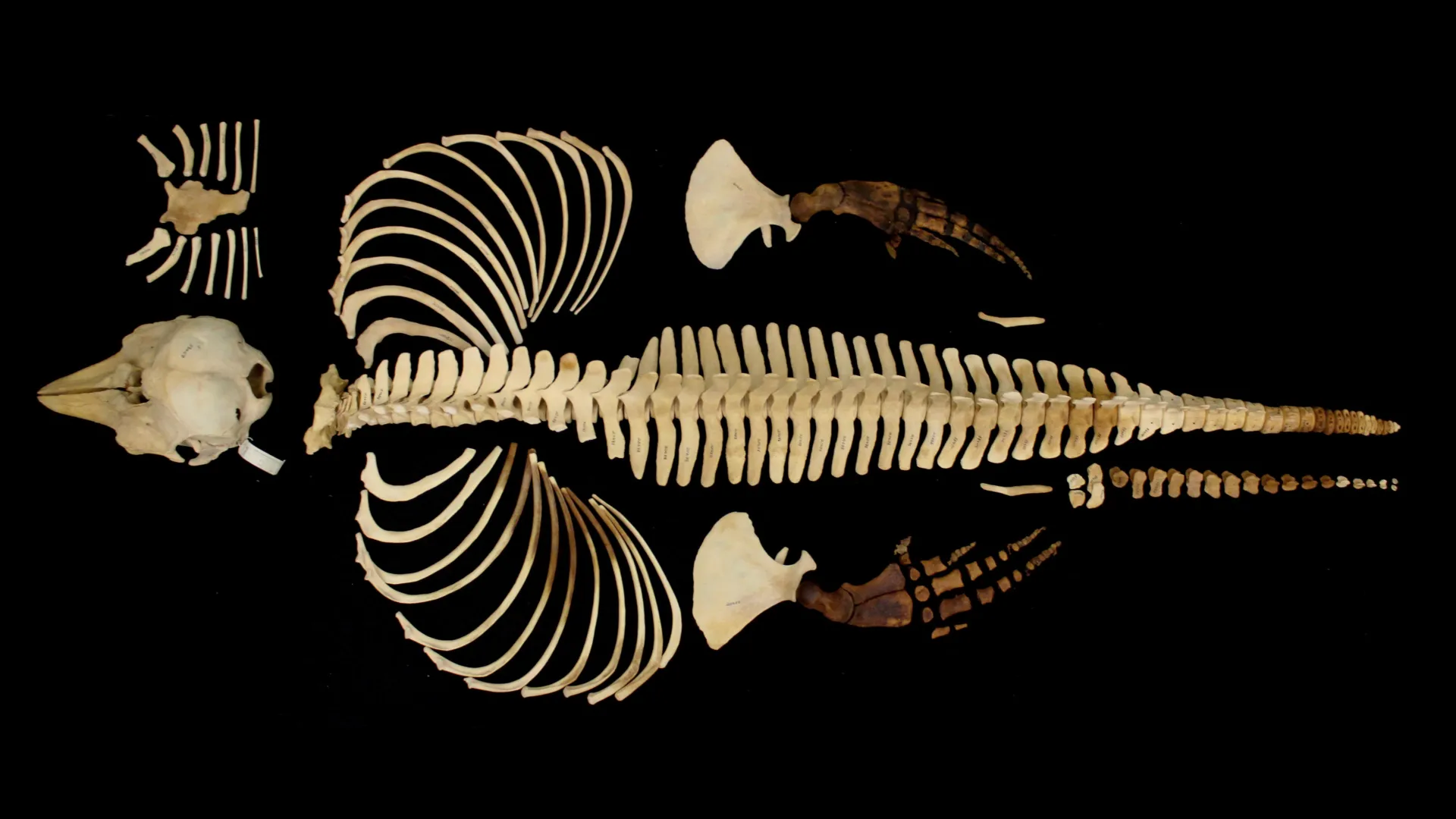
The vaquita (Phocoena sinus), a small porpoise found only in the shallow waters of Mexico's northern Gulf of California, is among the most endangered marine mammals on the planet. At roughly 5 feet long, it is the smallest member of the cetacean group, which includes whales, dolphins and porpoises. Recognizable by the dark markings around its eyes and mouth, the vaquita was unknown to science until the second half of the 20th century. Today, it has become a powerful symbol of the biodiversity crisis affecting oceans around the world.
Only an estimated handful of vaquitas remain in the wild, leaving the species dangerously close to extinction. The population collapse has been caused primarily by accidental entanglement in gillnets, especially those used to illegally catch totoaba. This large fish is targeted because its swim bladder commands high prices on international black markets. Although fishing for totoaba was banned decades ago, illegal harvesting continues due to wildlife trafficking networks and persistent overseas demand.
Despite years of conservation efforts, the future of the vaquita remains uncertain. Experts say its survival depends on swift international cooperation to eliminate gillnet fishing within its habitat and prevent the disappearance of one of the ocean's most critically endangered species.