view more
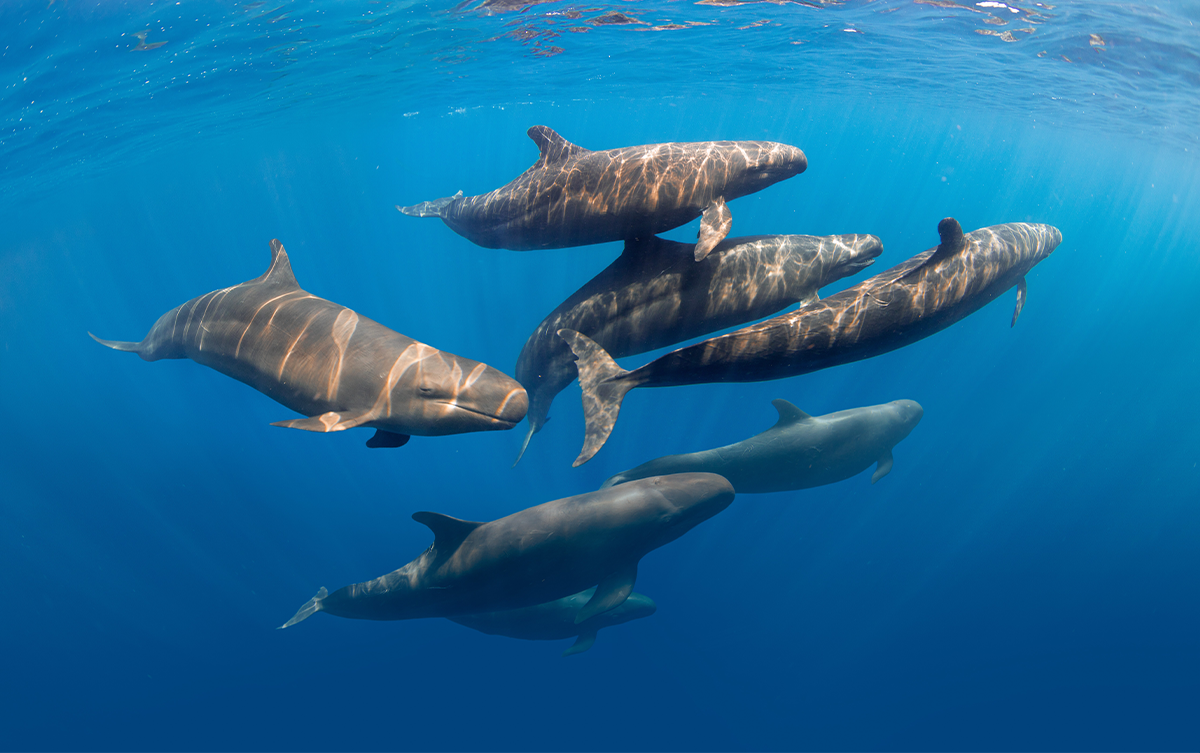
A seven-year collaborative study has revealed alarming fluctuations in the health of Hawaiʻi’s endangered insular false killer whales, with some individuals losing nearly a quarter of their body weight in just a few months. Published today in Endangered Species Research, the findings provide the first quantitative evidence that nutritional stress and environmental shifts may be driving the decline of this iconic population, which now numbers fewer than 140 individuals.
The research—a partnership between the Pacific Whale Foundation (PWF), the Marine Mammal Research Program (MMRP) at UH Mānoa Hawaiʻi Institute of Marine Biology, and the Okinawa Churashima Foundation—utilized high-resolution drone photogrammetry to track 68 whales (roughly half the remaining population) between 2019 and 2025.
Rapid Declines and Climate Links
The study documented extreme physiological shifts, including one individual that lost an estimated 28% of its body mass—approximately 500 pounds—over a 10-week period. Researchers also found that the population’s overall Body Condition Index hit a record low in 2020. This decline coincided with a severe marine heatwave and the largest single-year population drop in recent history, suggesting that rising ocean temperatures are directly impacting the whales' ability to maintain necessary energy reserves.