view more
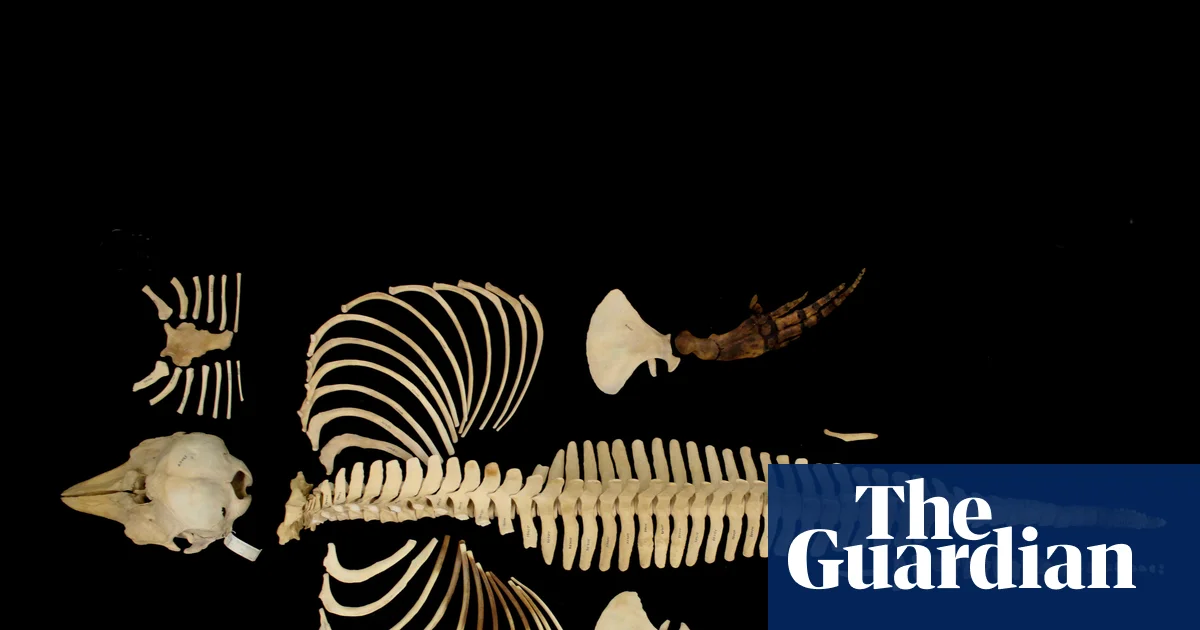
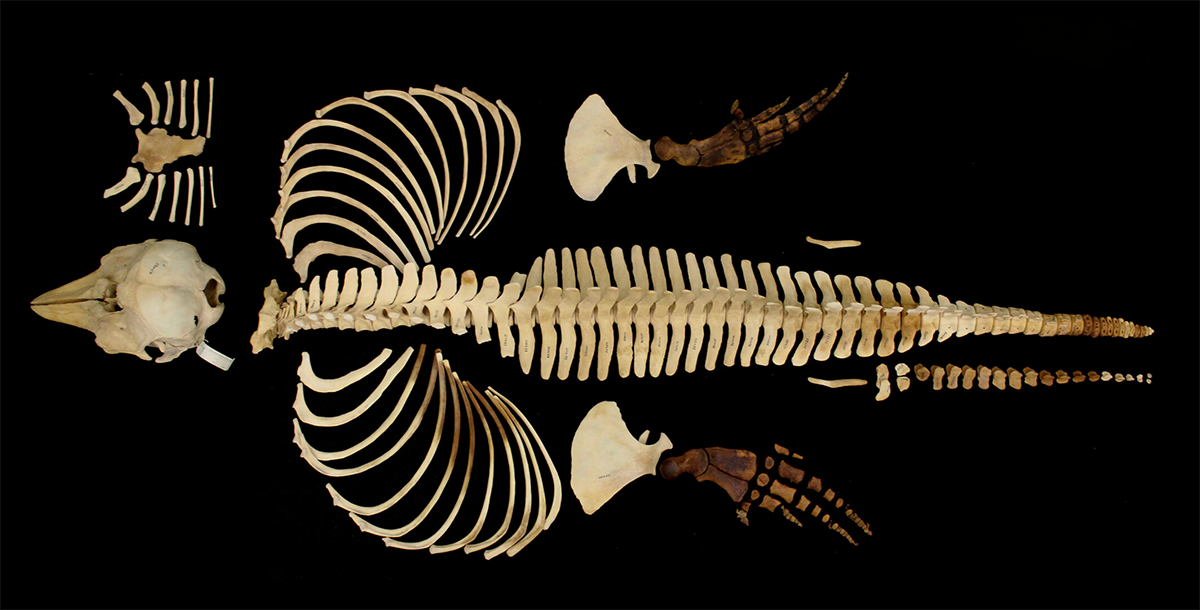
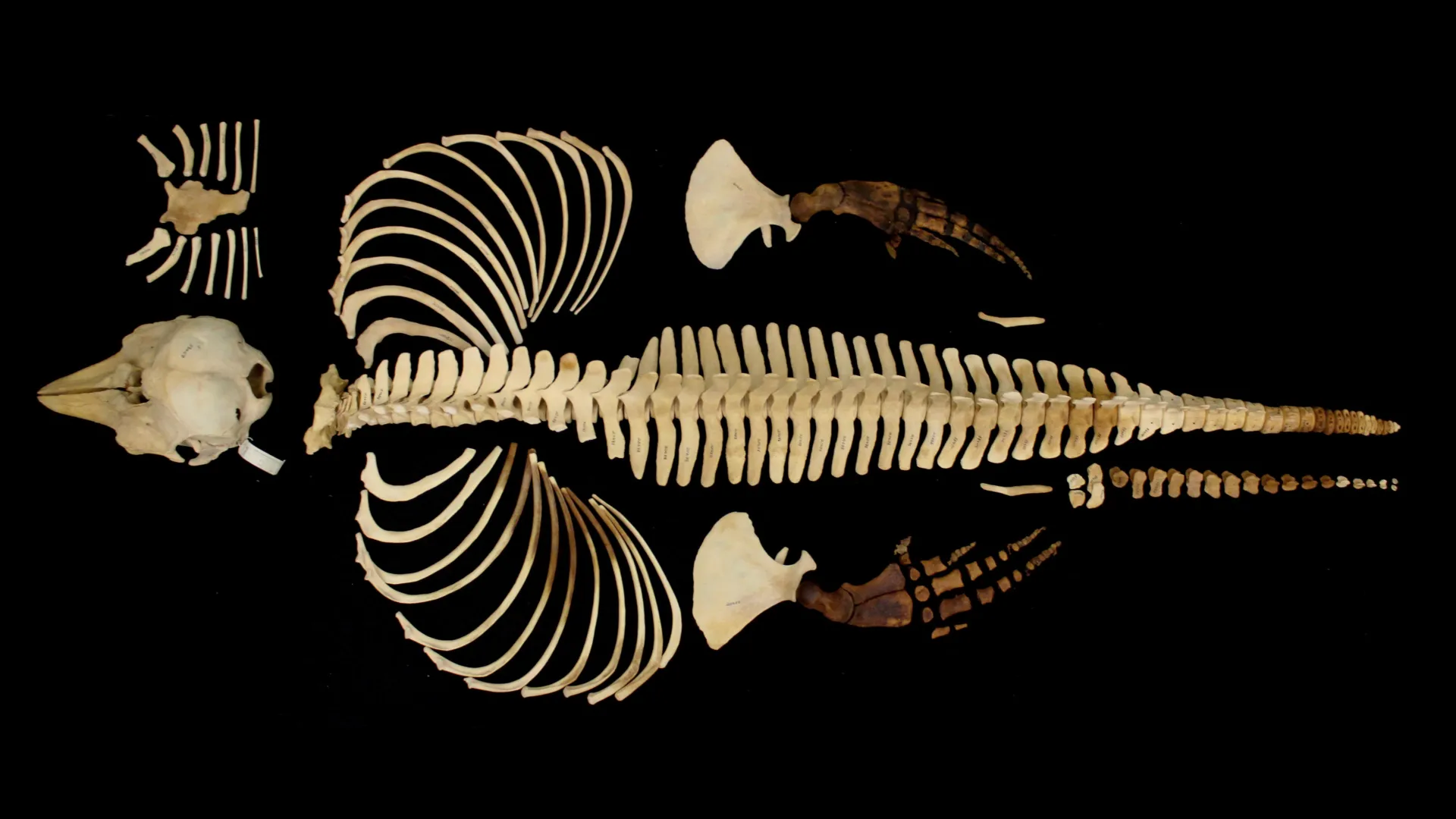
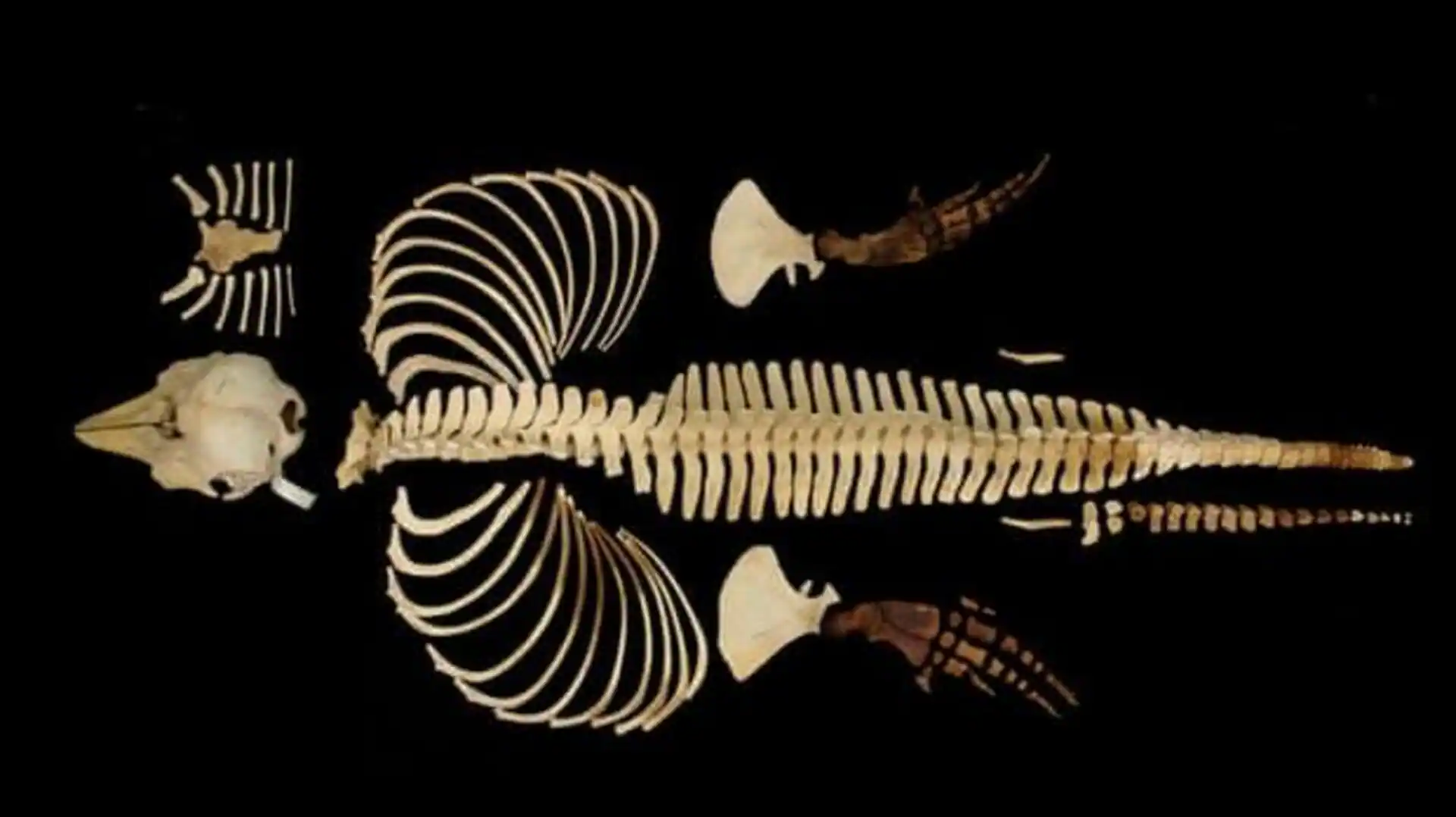
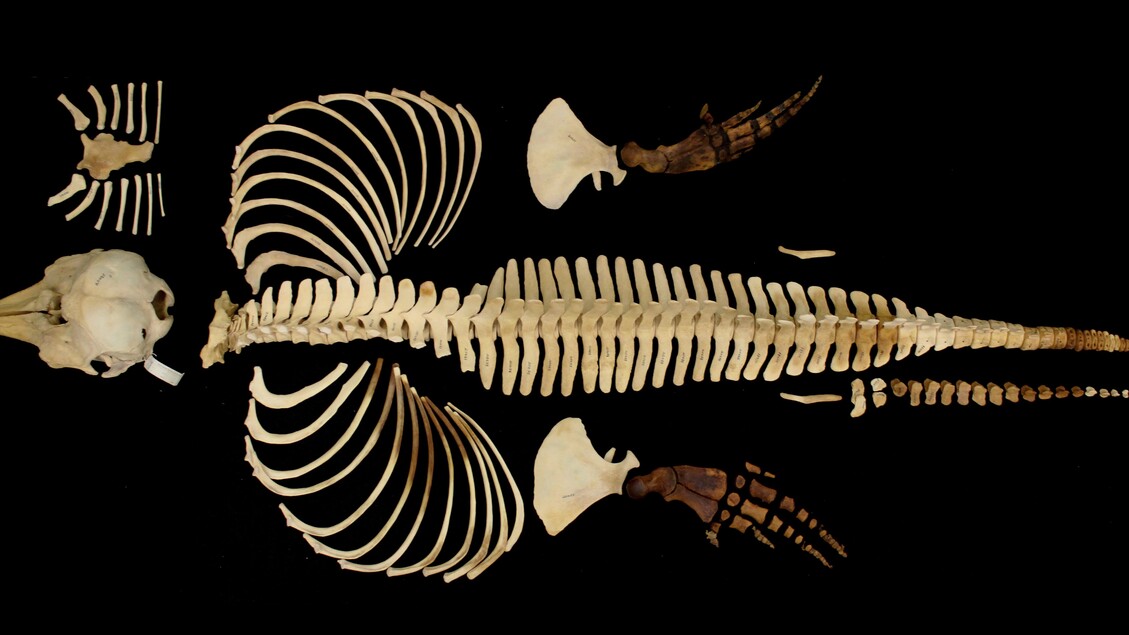
The vaquita (Phocoena sinus), an elusive porpoise found only in the shallow waters of Mexico’s northern Gulf of California, is one of the rarest and most endangered marine mammals on Earth. Measuring about 5 feet in length, it is the world’s smallest cetacean – a group that includes whales, dolphins and porpoises. Known for the distinctive dark rings around its eyes and mouth, the vaquita remained unknown to science until the latter half of the 20th century. Today, it has become a global symbol of the growing biodiversity crisis unfolding in the world’s oceans.
With only an estimated handful of individuals remaining, the vaquita is perilously close to extinction. Its dramatic decline has been driven almost entirely by accidental entanglement in gillnets, particularly those used to illegally catch totoaba, a large fish whose swim bladder is highly prized on international black markets. Although the totoaba fishery was banned decades ago, illegal fishing persists, fueled by organized wildlife trafficking networks and strong overseas demand.
Despite intensive conservation efforts, the vaquita’s future remains uncertain. Its survival now depends on urgent, coordinated international action to eliminate gillnet fishing in its habitat and protect one of the ocean’s most critically endangered species before it disappears forever.