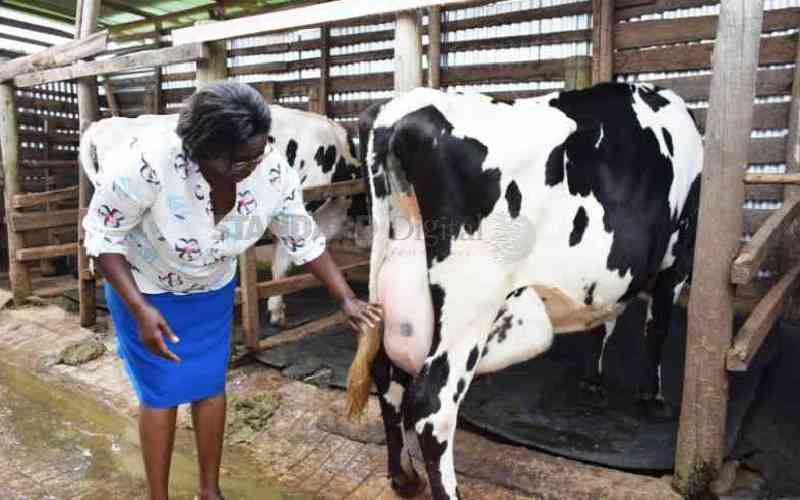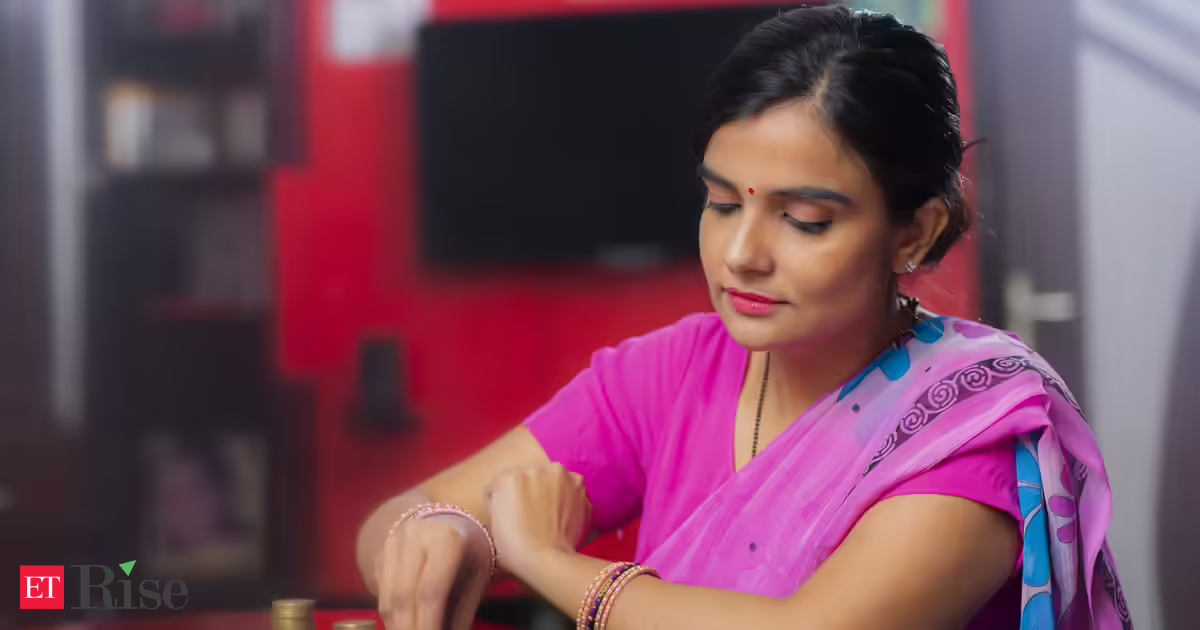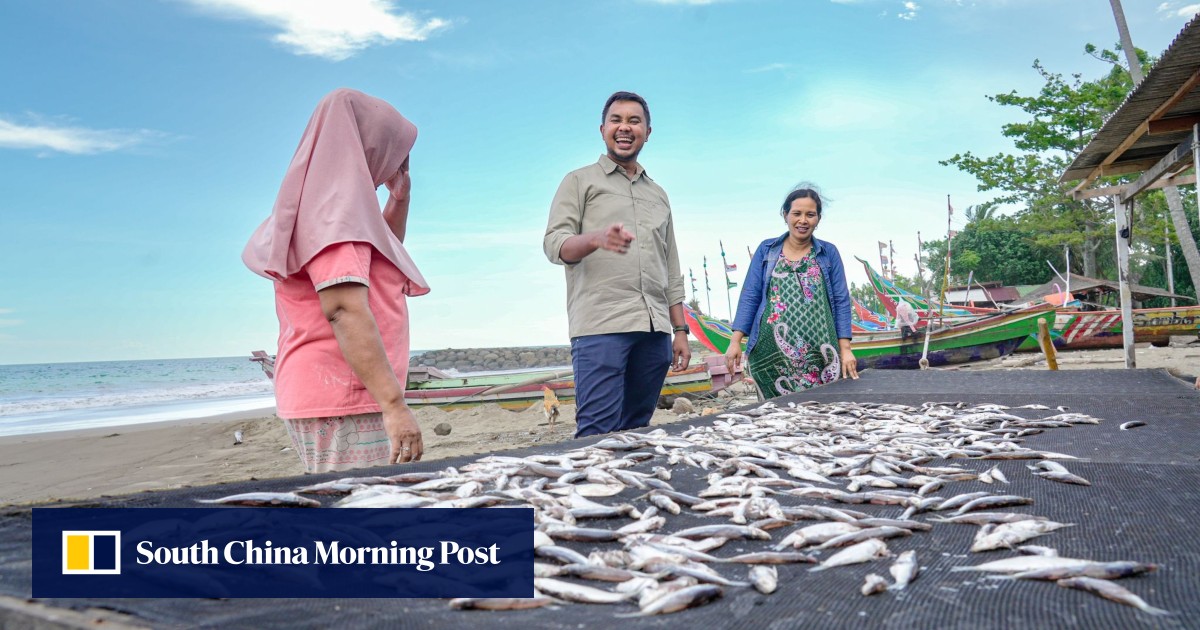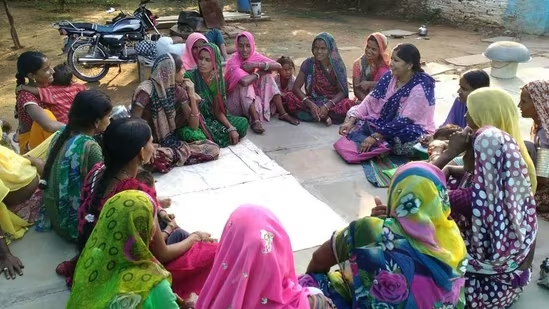
A woman in rural Bharat often manages the household, contributes to family income and supports her community through everyday decisions. Yet, when it comes to formal finance, her own access to credit has often remained limited. This gap is not always because of lack of need. It is often because of limited documentation, low confidence with formal processes, mobility constraints, lack of awareness and hesitation in engaging with financial institutions.Members of a self help group (SHGs) (HT File Photo)This is changing, but the journey is still uneven. According to NITI Aayog, women borrowers in Bharat now hold a credit portfolio of ₹76 lakh crore, accounting for 26% of the total system credit. This reflects an important shift in women’s participation in the formal credit ecosystem. At the same time, a large number of credit-eligible women still remain outside formal finance, showing that access alone is not enough. The next phase must focus on trust, understanding and responsible usage. For many women in villages and small towns, formal credit can feel distant. A loan form, repayment schedule, KYC requirement or digital interface may appear simple on paper, but can feel intimidating for a first-time borrower. The hesitation is not only financial. It is emotional and social. Questions such as “Will I understand the terms?”, “What if I make a mistake?”, “Will I be able to repay on time?” and “Who will guide me if something goes wrong?” often shape the decision more than the availability of credit itself.This is where women-led distribution models become critical. A local woman entrepreneur, Self-Help Group member, BC Sakhi or Digital Naari can often explain financial products in a way that feels familiar and reassuring. She understands the local language, household realities, seasonal income patterns and community behaviour. Her role is not limited to completing a transaction. She helps build confidence.In many rural communities, the first step towards formal finance begins with a trusted conversation. A woman helping another woman understand a small business loan, a savings product, an insurance policy or a repayment cycle is doing more than providing access. She is making the financial system easier to understand. This human layer is especially important for first-time borrowers who may not be comfortable with digital-only journeys.Digital infrastructure has made financial services more available, but availability does not automatically lead to adoption. For a woman who has never taken formal credit, a mobile app or online process may still feel unfamiliar. Assisted models bridge this gap by combining technology with local trust. They allow women to ask questions, clarify doubts and take decisions with greater confidence.This is also important from the perspective of responsible lending. Credit can support entrepreneurship, education, healthcare, working capital and household resilience. But it must be understood properly. When borrowers are guided on repayment timelines, interest obligations, documentation and product suitability, they are more likely to use credit responsibly. Women-led distribution can help reduce confusion and encourage better financial behaviour at the last mile.National programmes have already shown the potential of women’s participation in credit-led growth. Under the Pradhan Mantri MUDRA Yojana, more than 57.79 crore loans have been disbursed, with women accounting for 67% of loan beneficiaries. This demonstrates how collateral-free credit can support micro-enterprises and income generation when access is created at scale. However, the next opportunity lies in making this access more meaningful. Many women start with small-ticket credit, but with the right support, they can grow into entrepreneurs, service providers and local employers. For this, the ecosystem must go beyond loan disbursal. It must include awareness, handholding, repayment guidance, digital literacy and continued engagement.At the grassroots, women-led networks are already showing how this can work. A woman entrepreneur who helps her community access banking, insurance, credit or digital services also creates a financial identity for herself. She earns an income, builds confidence and becomes a trusted service point for others. Her journey creates a multiplier effect. When she grows, her family gains stability. When she supports other women, the community gains confidence in formal finance.This is the thinking behind models such as Digital Naari, where women are enabled with digital tools, training and assisted platforms to serve their communities. They are not just beneficiaries of financial inclusion. They become facilitators of it. By helping households access essential services, they strengthen both livelihood creation and local trust.The future of rural credit will depend on how well we combine technology with empathy. Digital platforms can make credit faster and more efficient. But women-led distribution can make it understandable, relatable and trusted. This balance is critical for Bharat, where financial decisions are often shaped by family structures, social context and local relationships.As Bharat moves towards the Viksit Bharat vision, women must be seen not only as borrowers, but as builders of the credit ecosystem. They can help convert access into adoption, adoption into confidence and confidence into enterprise. Rural credit will grow sustainably when it is rooted in trust, explained with care and delivered through people who understand the community.The next phase of financial inclusion will not be driven by technology alone. It will be driven by women who make that technology accessible at the last mile. When trust is built locally, inclusion scales nationally.(The views expressed are personal)This article is authored by Jayatri Dasgupta, CMO, PayNearby and programme director, Digital Naari.
Women-led distribution critical to rural credit access
This article is authored by Jayatri Dasgupta, CMO, PayNearby and programme director, Digital Naari.
881 words~4 min read