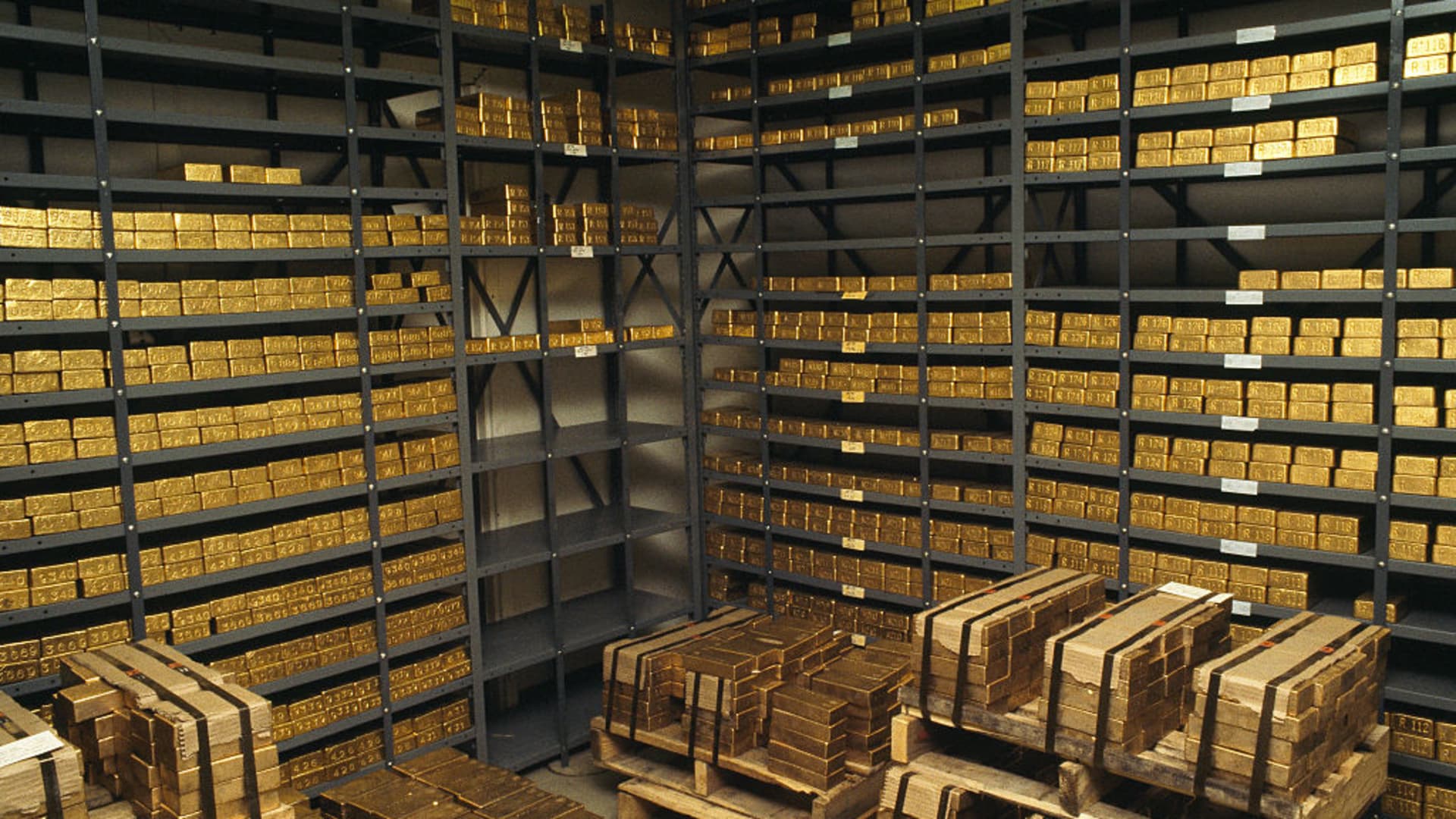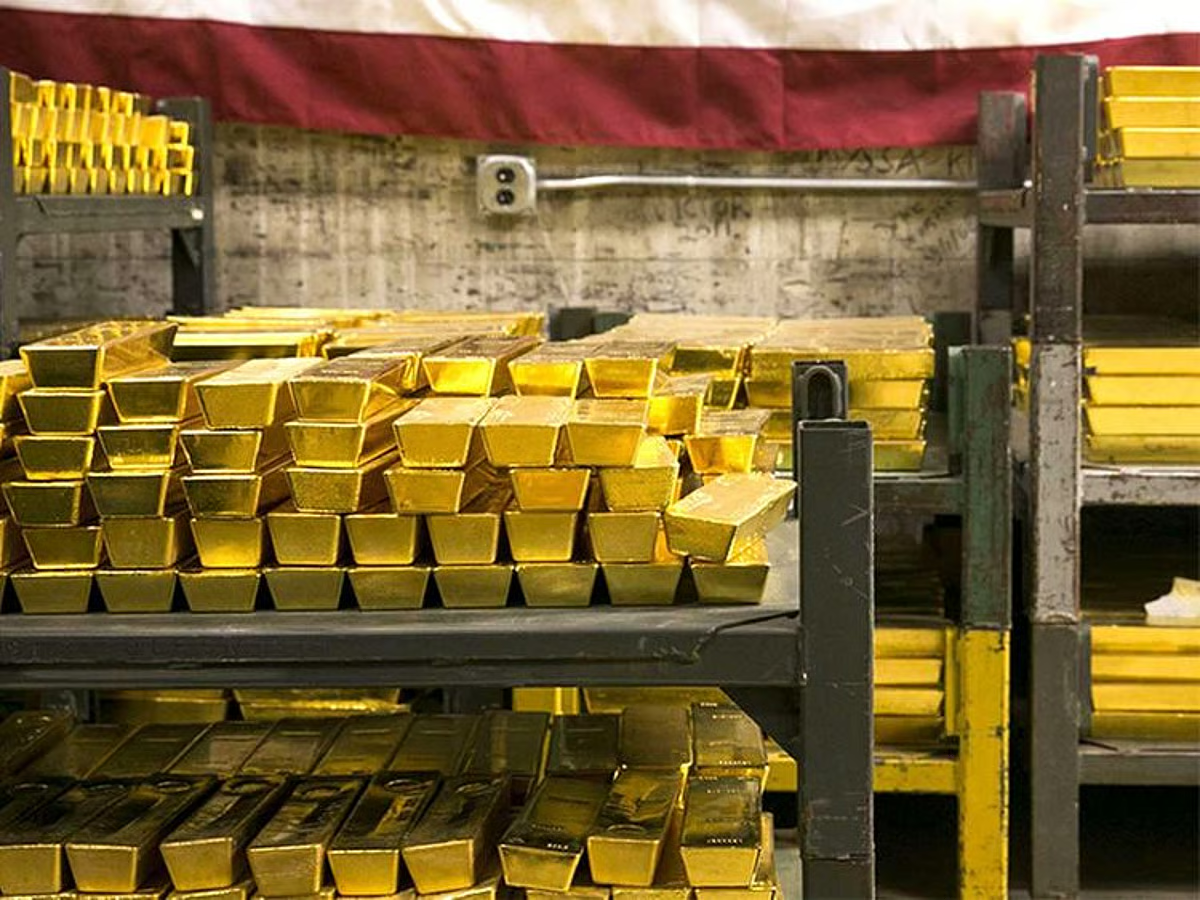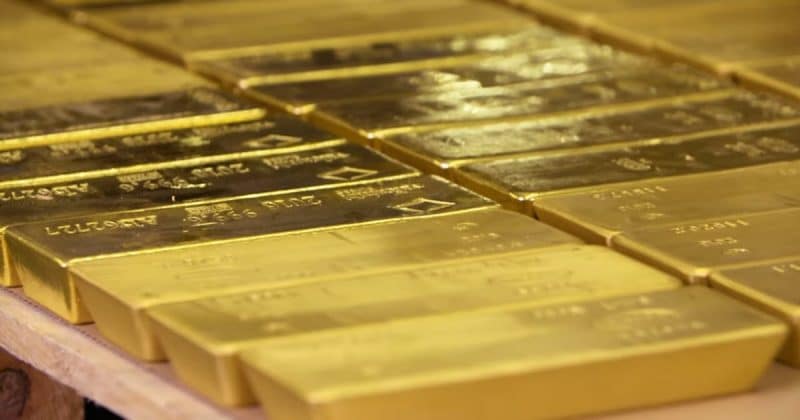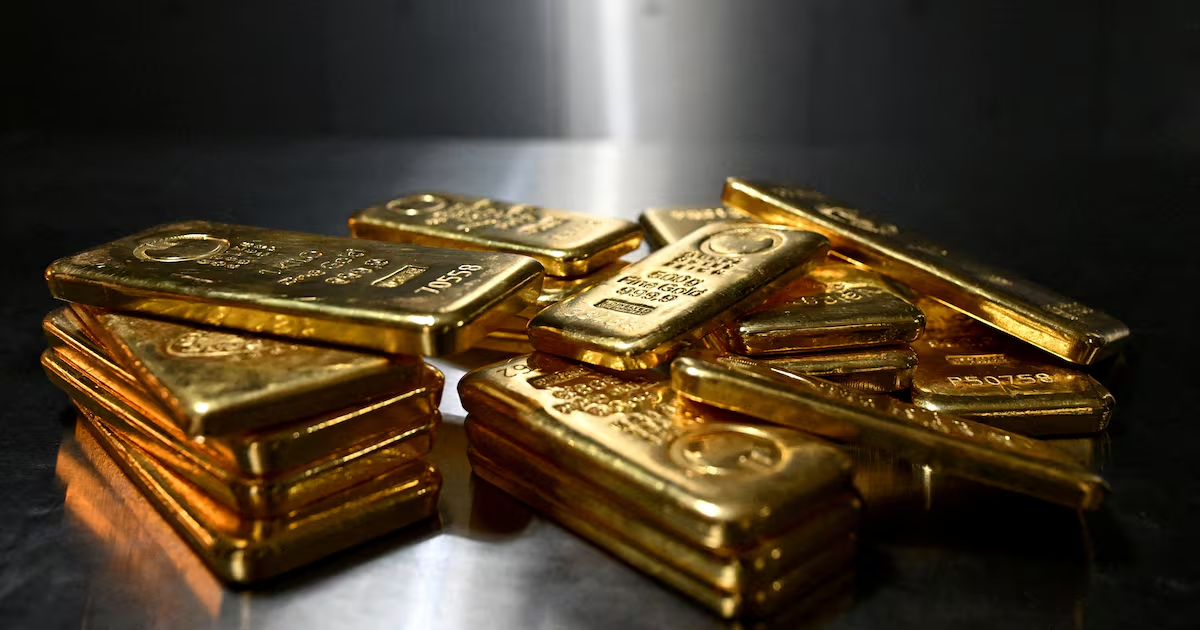
Central banks are expected to boost their stockpiles of gold over the next 12 months to help fight off economic and geopolitical shocks, despite the asset's declining price, the World Gold Council has said.Nearly 90 per cent of survey respondents said gold reserves at apex banks will rise in the next year, with a record 45 per cent projecting their own reserves to grow over the same period, the London-based WGC said in its Central Bank Gold Reserves Survey 2026 on Tuesday.The study was conducted among 76 banks – 58 from advanced economies and 18 from emerging markets and developed economies. There where some divergences, but both groups “share a common confidence in gold’s role as a reliable store of wealth and a key component in their long-term reserve management strategies”, the WGC said.“As the world becomes increasingly volatile and unpredictable, gold’s safety, liquidity and return characteristics – the three key investment objectives for central banks – have risen in importance.”Gold has been widely considered as safe-haven asset and hedge against inflation, with investors flocking to the precious metal especially in times of crises.It has, however, trended downwards during the US-Iran war, as higher energy prices drove both oil prices and inflation up.The precious metal, which scaled several highs before the conflict, rallied sharply since the war broke out on February 28, but has since lost about 18 per cent from that point. The asset has been up so far this week.Nevertheless, “gold’s performance during times of crisis, portfolio diversification and inflation hedging are some of the key factors for central banks to hold gold”, the WGC said in the report.“In addition, gold as a geopolitical risk hedge and gold as part of a reserve diversification policy also feature as key reasons for increasing allocations to gold.”Meanwhile, nearly three quarters of central banks surveyed said they may lower their US dollar holdings moderately or significantly through the next five years, while other reserve currencies, including the euro and China's yuan, may remain unchanged, the WGC said.“Respondents were less sanguine on the US dollar. While it maintains its position as the dominant global reserve currency, data … shows that its share has been on a gradual decline,” the council said, quoting statistics from the International Monetary Fund.Bank of England shinesThe WGC's findings highlight that gold sentiment within the central banking community remains upbeat, with expectations pointing to “sustained confidence in gold’s strategic role amid evolving geopolitical and macroeconomic dynamics”, it noted.When it comes to storing gold, the Bank of England remained the most popular location, with about 57 per cent favouring it, followed by domestic vaulting (49 per cent) and the Bank for International Settlements (16 per cent). Notably, the Swiss National Bank dropped from 12 per cent to 6 per cent.Central banks, however, are increasingly changing their strategy on storage locations: over the next 12 months, about 9 per cent said they plan to diversify these, while 7 per cent are considering boosting their domestic storages.“Ongoing economic and geopolitical uncertainty continues to weigh on reserve managers. Concerns over interest rates, the inflation outlook and geopolitical uncertainty, show that diversification and risk mitigation continue to be key drivers of strategic reserve management decisions,” the WGC said.Optimism about gold’s future role as a reserve asset has grown alongside a desire by respondents to add more gold to their reserves. Central banks increasingly view gold as an active and important strategic asset within their reserve portfolios.Conversely, global demand for gold jewellery fell in the first quarter of this year, tumbling from record highs as the precious metal comes under pressure amid uncertainty caused by the Iran war, the WGC said last month.
Central banks to boost gold reserves despite declining prices | The National
The precious metal remains a 'reliable store of wealth', World Gold Council report finds
609 words~3 min read