Dubai: Central banks are expected to keep buying gold over the next year, with reserve managers increasingly treating the metal as a strategic asset during periods of crisis, geopolitical uncertainty and pressure on the US dollar, according to the World Gold Council. (Check latest UAE gold prices here, alongside prices in Saudi Arabia, Oman, Qatar, Bahrain, Kuwait, and India.)The Council’s annual Central Banks Gold Reserves Survey showed that 89% of reserve managers expect global central bank gold holdings to increase over the next 12 months. A record 45% said they expect their own institutions to add gold during the same period.Gold gains strategic roleThe survey showed that gold is moving further into the centre of reserve management, with 83% of respondents expecting gold to account for a higher share of total reserves five years from now, compared with 76% last year.Today, 93% of respondents said they hold gold, up from 81% last year, showing how widely the metal is now used across official reserves.The shift is also being driven by changing views on the US dollar. The survey found that 74% of respondents expect the dollar’s share of global reserves to be lower in five years.That does not mean central banks are abandoning the dollar, which remains central to global trade and finance. It does suggest that reserve managers are trying to spread risk more widely, with gold taking a larger role in portfolios built to withstand market stress and geopolitical shocks.Crisis protection drives demandGold’s role during difficult periods has become the strongest reason for holding it. A record 90% of respondents cited gold’s performance during times of crisis as a key factor, while 84% pointed to its role as a long-term store of value and 82% cited portfolio diversification.Gold’s use as a geopolitical risk hedge was especially prominent among emerging market and developing economy central banks, with 85% citing it as a reason for holding the metal.At the same time, fewer central banks now see gold mainly as a historical holding. The proportion citing historical legacy as a reason to hold gold fell to 46% from 62% in 2025."This year's survey sends a clear message: central bank demand for gold remains on an upward trajectory," said Shaokai Fan, Global Head of Central Banks and Head of Asia-Pacific (ex-China). "A record number of respondents plan to add gold to their own reserves in the next year, while a large majority expect global official sector holdings to keep rising."What stands out is the shift in how central banks think about gold," he added. "Fewer see it as a legacy holding; more see it as an active, strategic allocation in an environment defined by geopolitical uncertainty and reserve diversification."Buying has already acceleratedCentral banks have bought an average of 1,000 tonnes of gold a year over the past four years, according to the World Gold Council. That is double the average of about 500 tonnes a year recorded over the previous decade.The 2026 survey was conducted between February 5 and May 19, with most responses coming after the start of the Middle East conflict. The Council said this year’s responses give a clearer view of how reserve managers are thinking about gold during a period of heightened geopolitical tension.Participation also reached a record level, with 76 responses, the highest since the survey began nine years ago.The Council said half of respondents planning new gold purchases expect to fund them through domestic purchase programmes in local currency, while 38% said they would use sales of existing reserve assets.Central banks rethink storageThe survey also showed that central banks are reviewing where they keep their gold.Nine per cent of respondents said they had increased domestic storage in the past 12 months, up from 5% last year. Another 10% said they had diversified their overseas storage locations, compared with 2% in the previous survey.The trend is expected to continue, with 7% planning to increase domestic storage and 9% planning to diversify overseas vaulting locations over the next 12 months.The Bank of England remains the most popular vaulting location, used by 57% of respondents, while domestic storage ranked second at 49%. The Bank for International Settlements was cited by 16%, while preference for the Swiss National Bank fell to 6% from 12% in 2025.What it means for gold pricesCentral bank demand has become one of the strongest supports for gold prices in recent years, especially as reserve managers seek protection from inflation risks, currency volatility and geopolitical uncertainty.Continued buying by official institutions can help keep a floor under prices, even when investor demand moves in response to interest rates or the dollar.Sustained central bank demand can feed into global bullion prices, which are reflected in local jewellery and investment gold rates. A stronger official-sector appetite for gold does not guarantee prices will keep rising, but it does show that major reserve managers still see the metal as a core holding in a more uncertain world.Nivetha Dayanand is Assistant Business Editor at Gulf News, where she spends her days unpacking money, markets, aviation, and the big shifts shaping life in the Gulf. Before returning to Gulf News, she launched Finance Middle East, complete with a podcast and video series.
Central banks see gold taking a larger share of reserves over the next five years
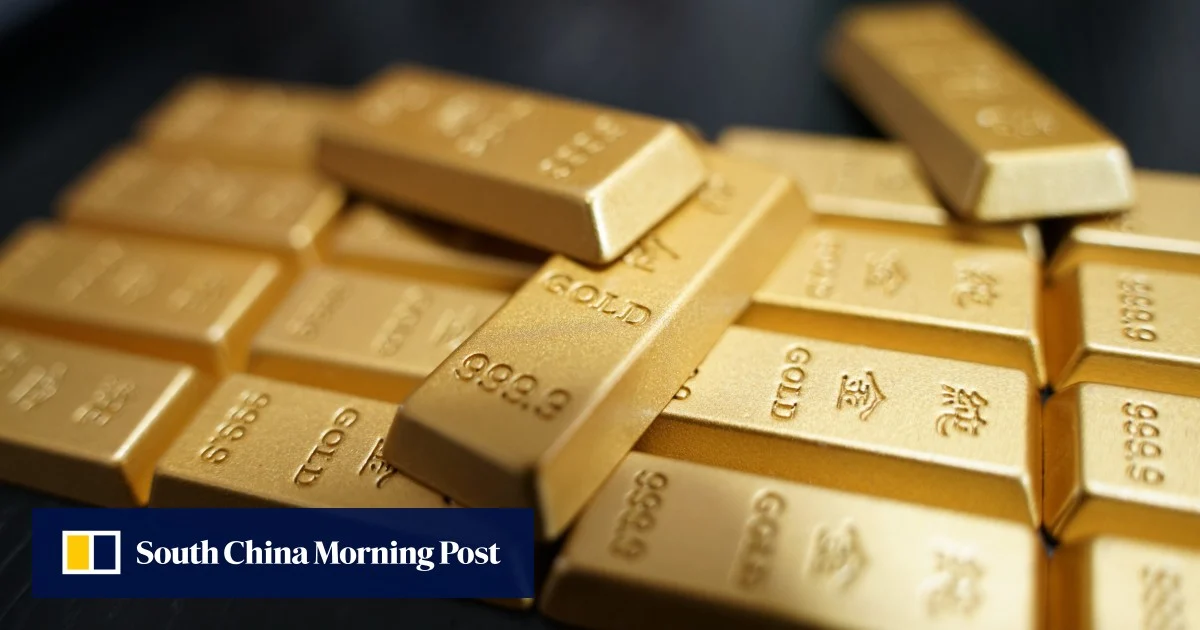
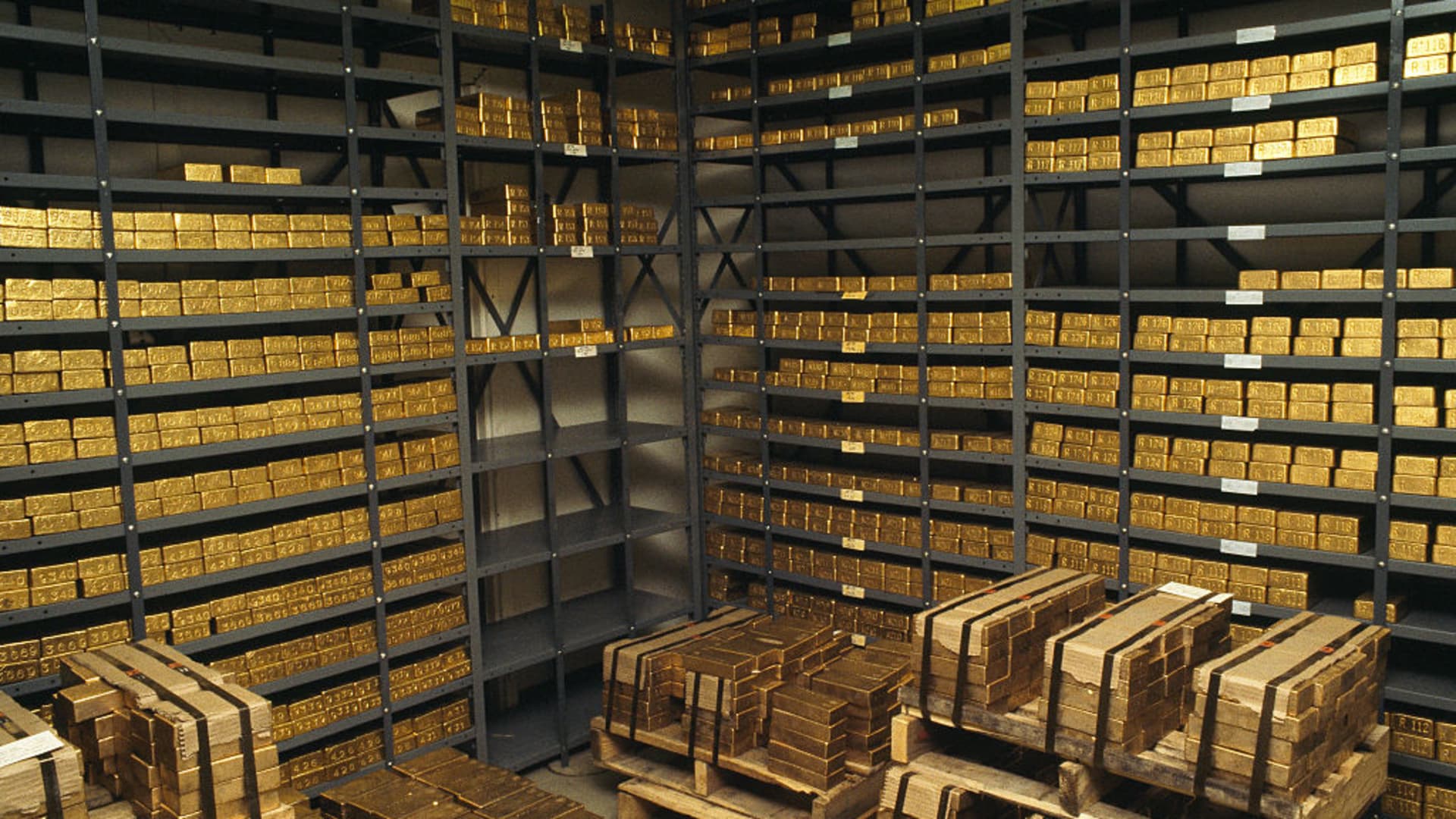
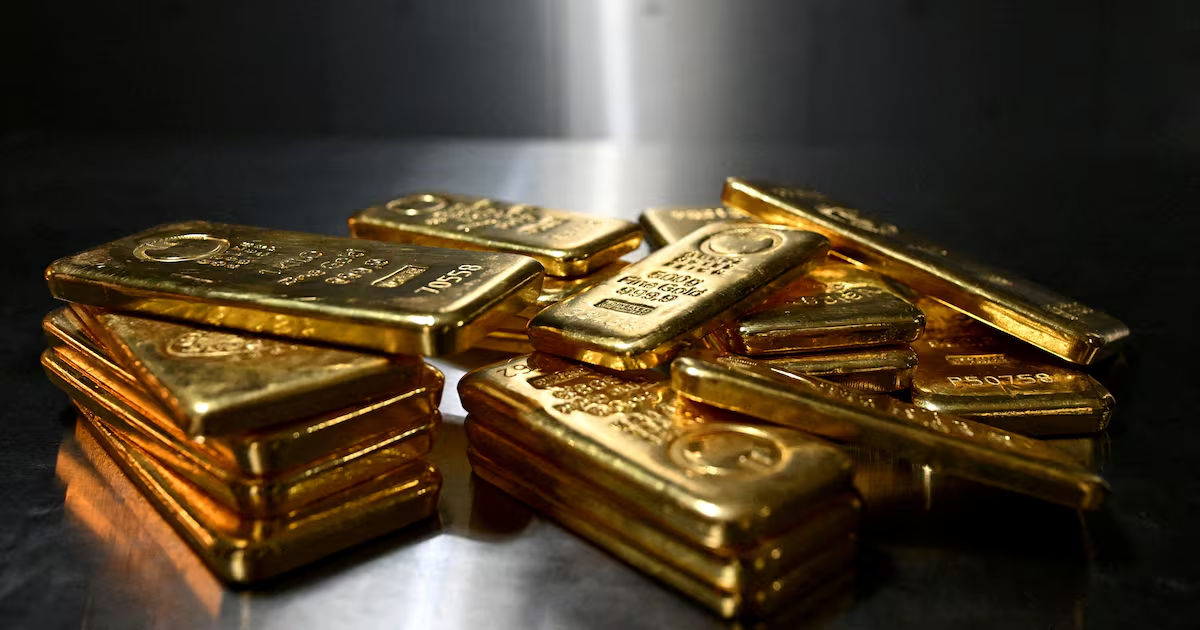
Central banks step up gold buying as confidence in the US dollar wanes, reshaping global reserves and supporting bullion prices amid geopolitical uncertainty.
973 words~4 min read