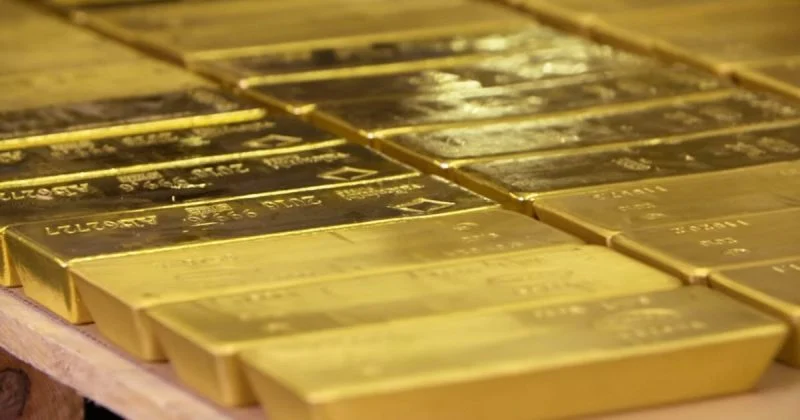
Nearly every central bank on the planet thinks gold reserves are headed higher. The World Gold Council’s 2025 survey found that 95% of central bank respondents expect global gold reserves to increase over the next 12 months. That’s up from 81% in the 2024 edition of the same survey. More telling: a record 43% of central banks said they plan to boost their own gold holdings, not just predict that others will.
The numbers behind the buying spree
Central banks collectively purchased a net 244 tonnes of gold in Q1 2026, a figure that exceeded both the prior quarter and the five-year quarterly average. Goldman Sachs forecasts that central banks will buy an average of 60 tonnes per month throughout 2026. For context, that pace would put annual sovereign demand at roughly 720 tonnes, a volume large enough to meaningfully tighten supply in a market where annual mine production typically hovers around 3,500 to 3,600 tonnes.
Poland has emerged as one of the most aggressive buyers. The country has accumulated approximately 595 tonnes of gold and has publicly stated a target of reaching 700 tonnes by the end of 2026.
The demand is happening despite gold prices hovering near $5,000 per ounce. Central banks aren’t bargain hunting. They’re buying at premium prices because they believe the strategic case outweighs the sticker shock.