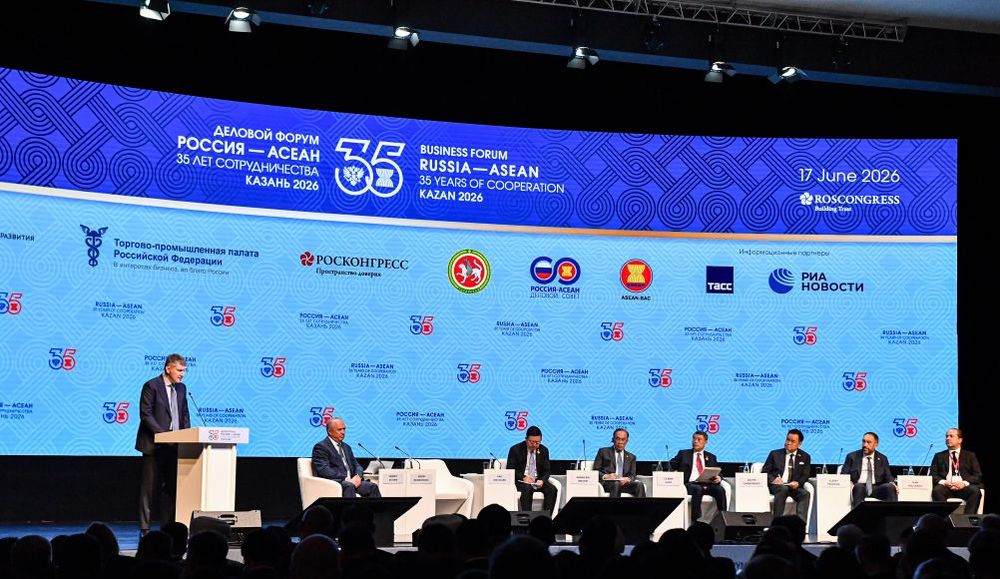
MOSCOW, June 17. /TASS/. Russia’s Kazan will host over ten Southeast Asian delegations for the Russia-ASEAN summit; Israel has only partially achieved its war goals in the Middle East; and the potential impact of the Strait of Hormuz reopening on ruble and oil prices. These were Wednesday’s top headlines across Russia.
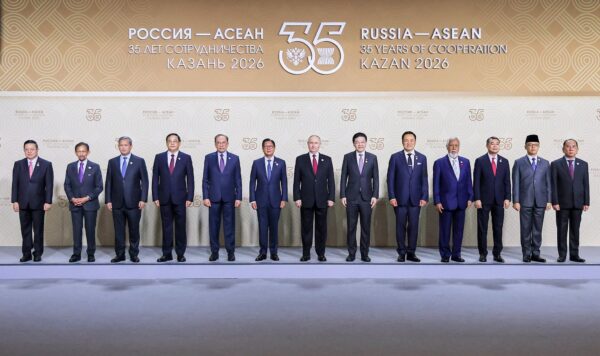
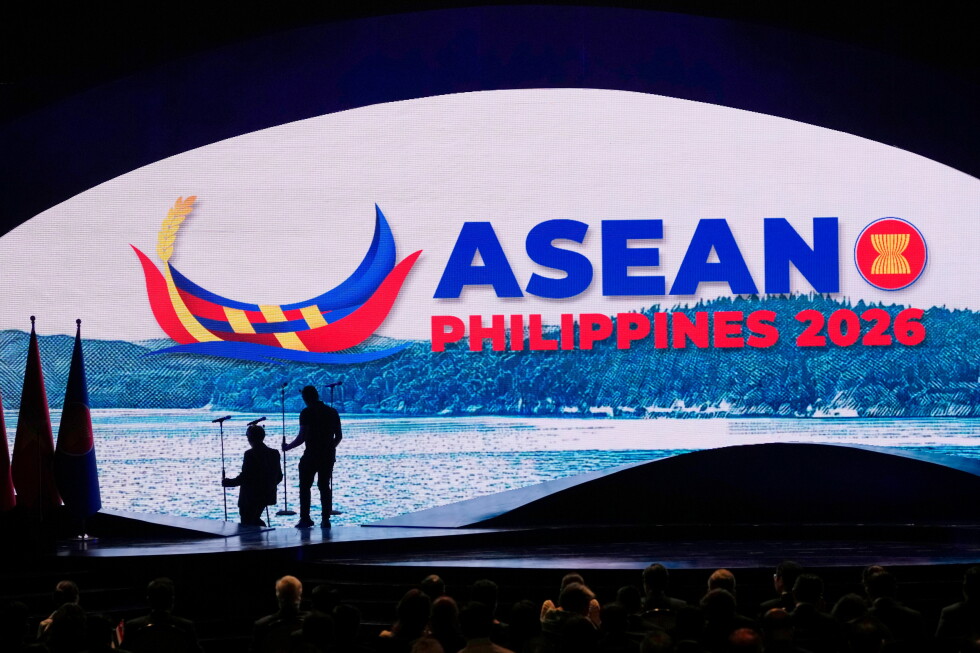
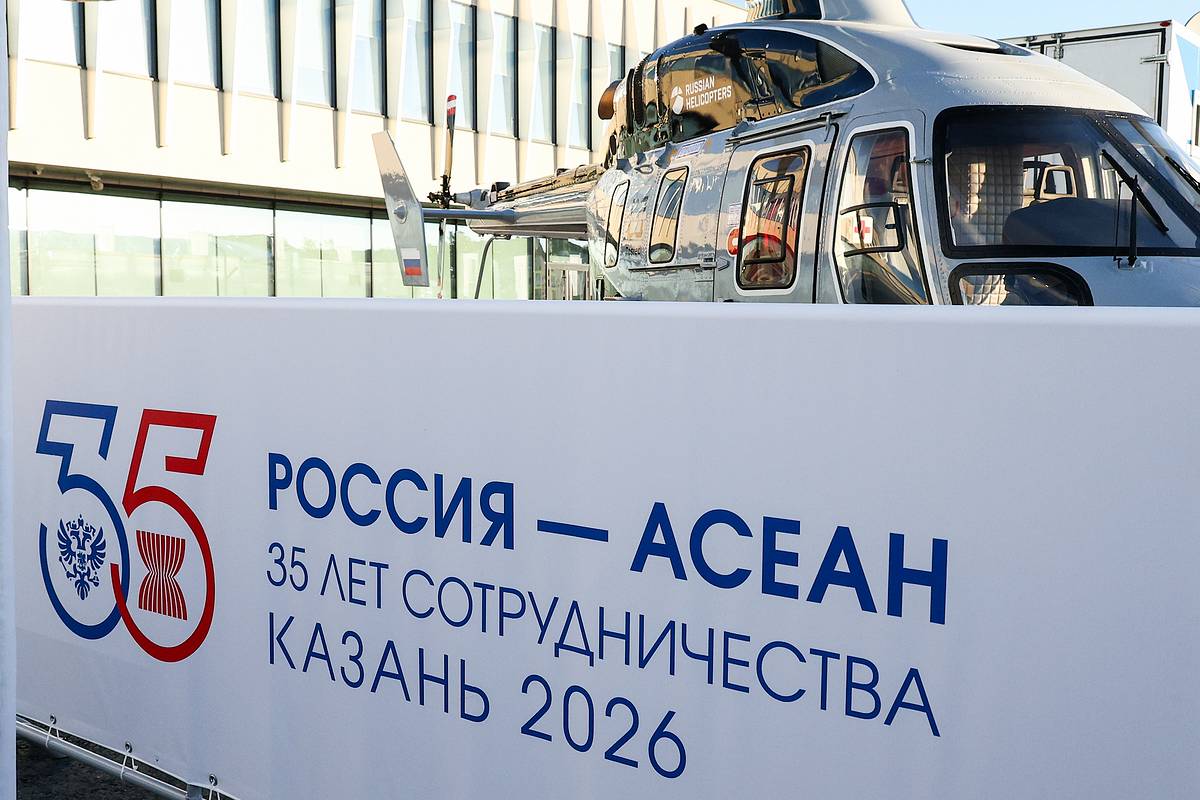
Media: Kazan to host over 10 Southeast Asian delegations for Russia-ASEAN summit
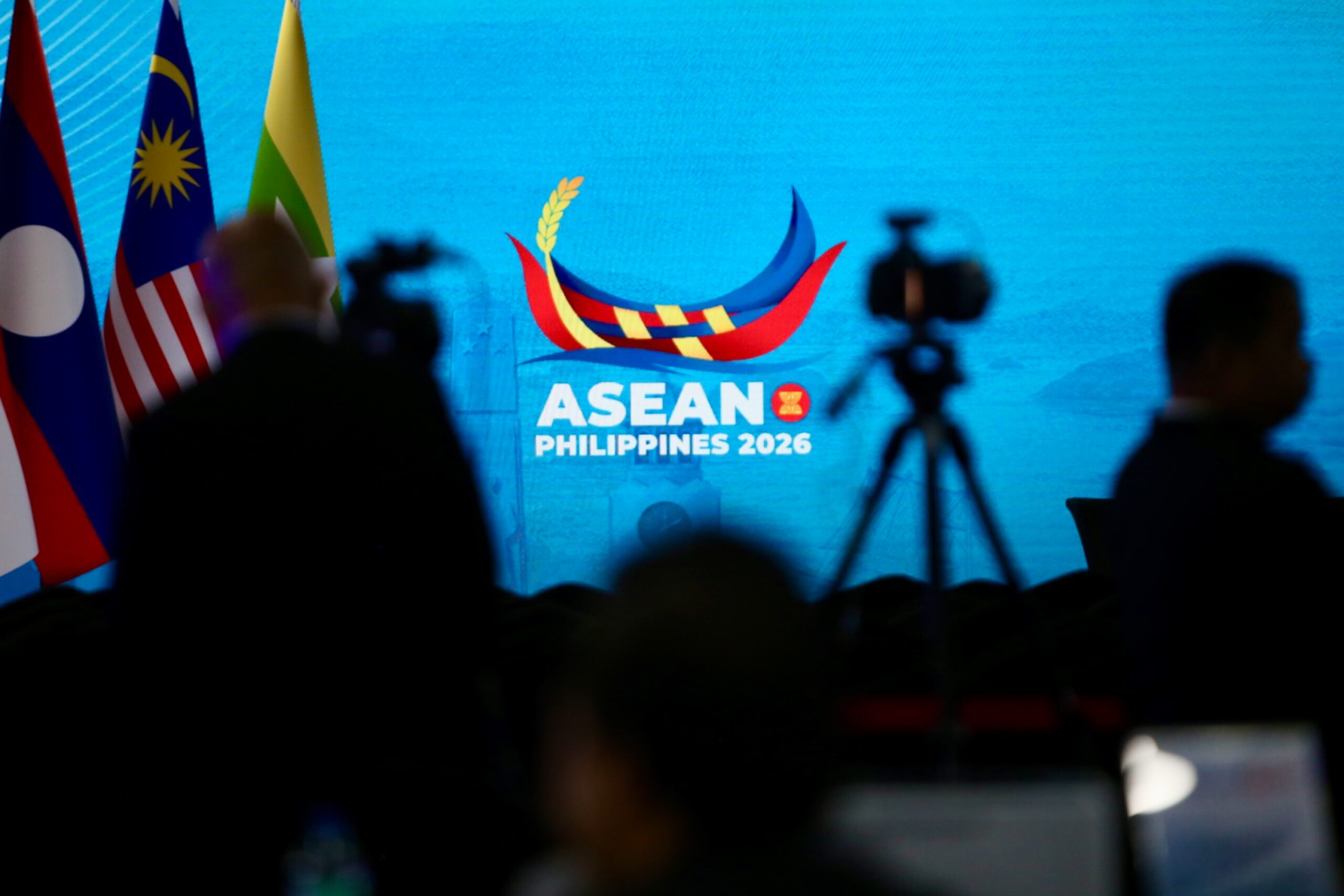
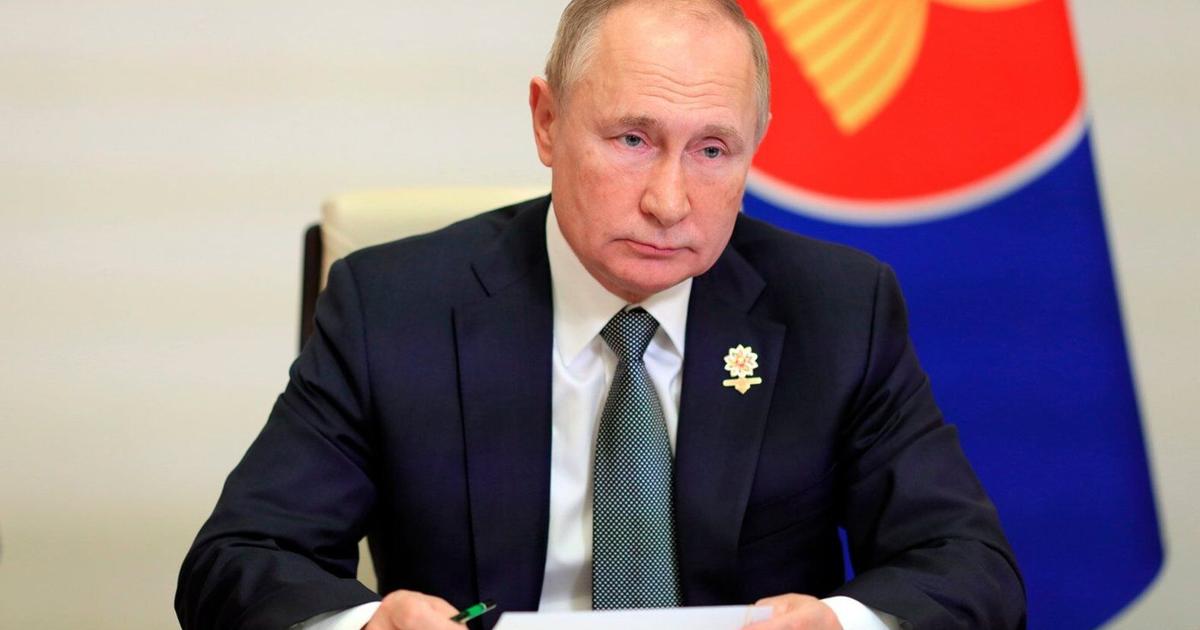
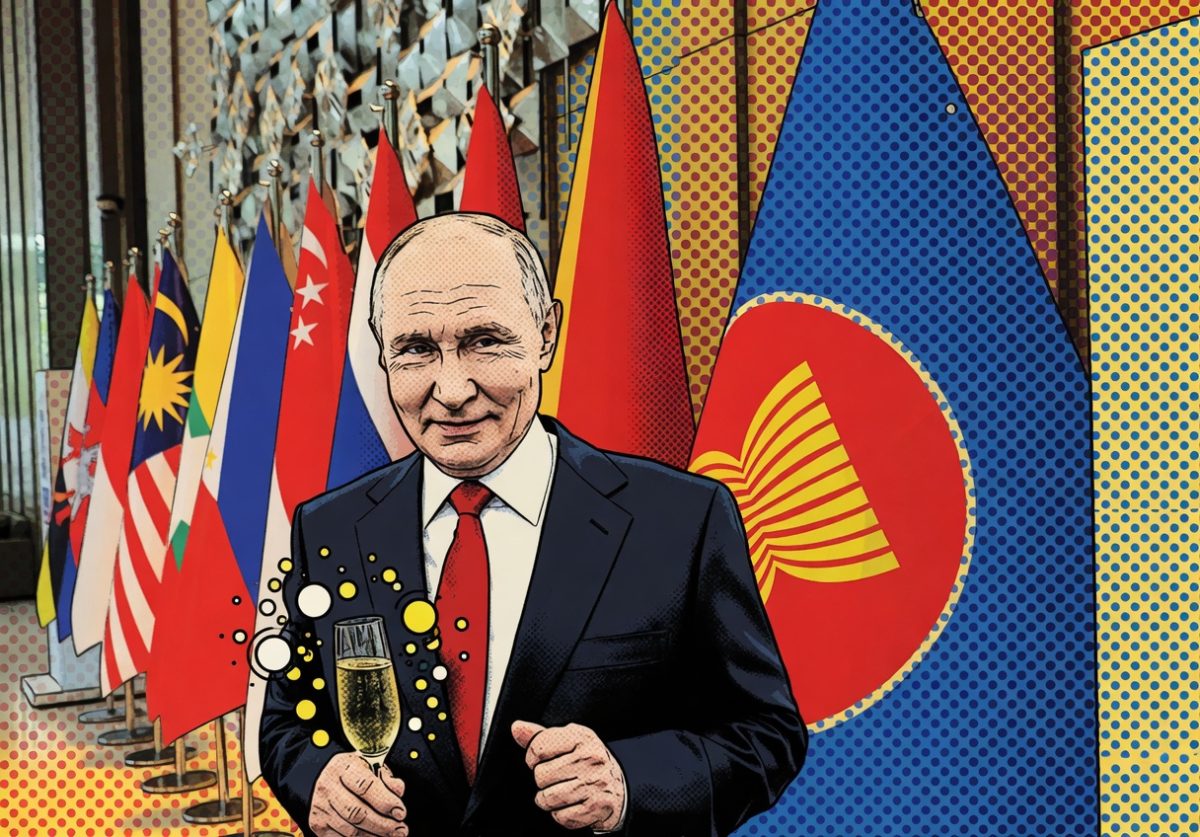
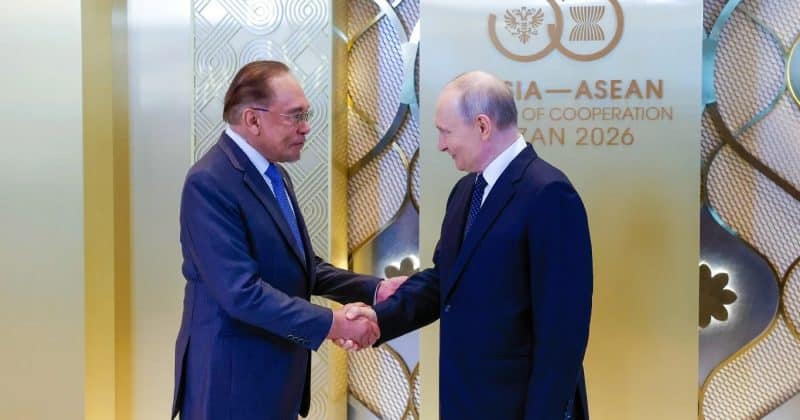
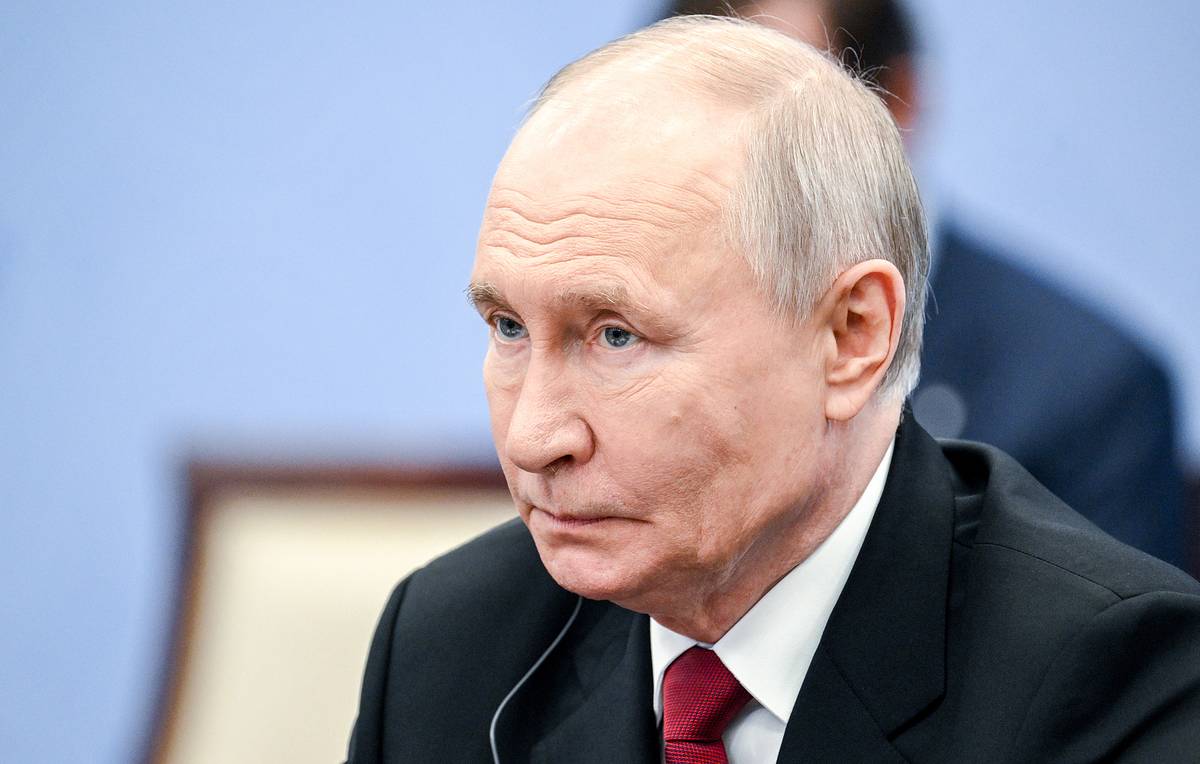
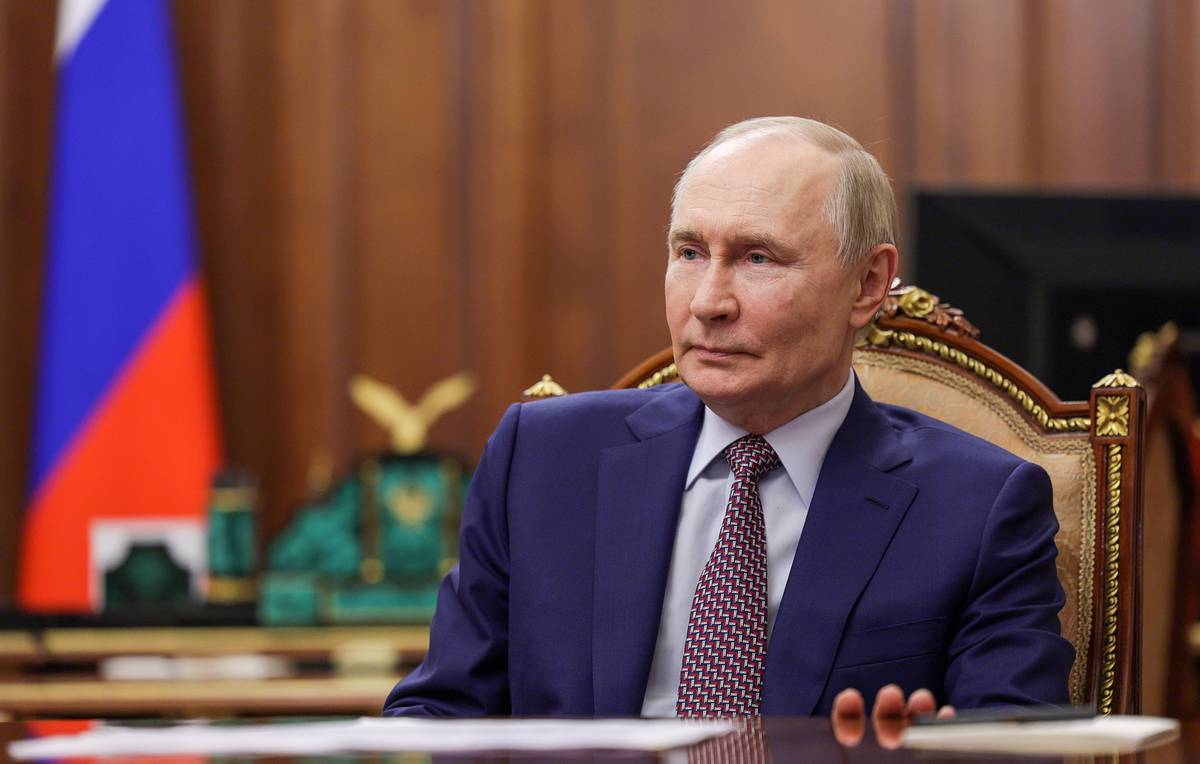
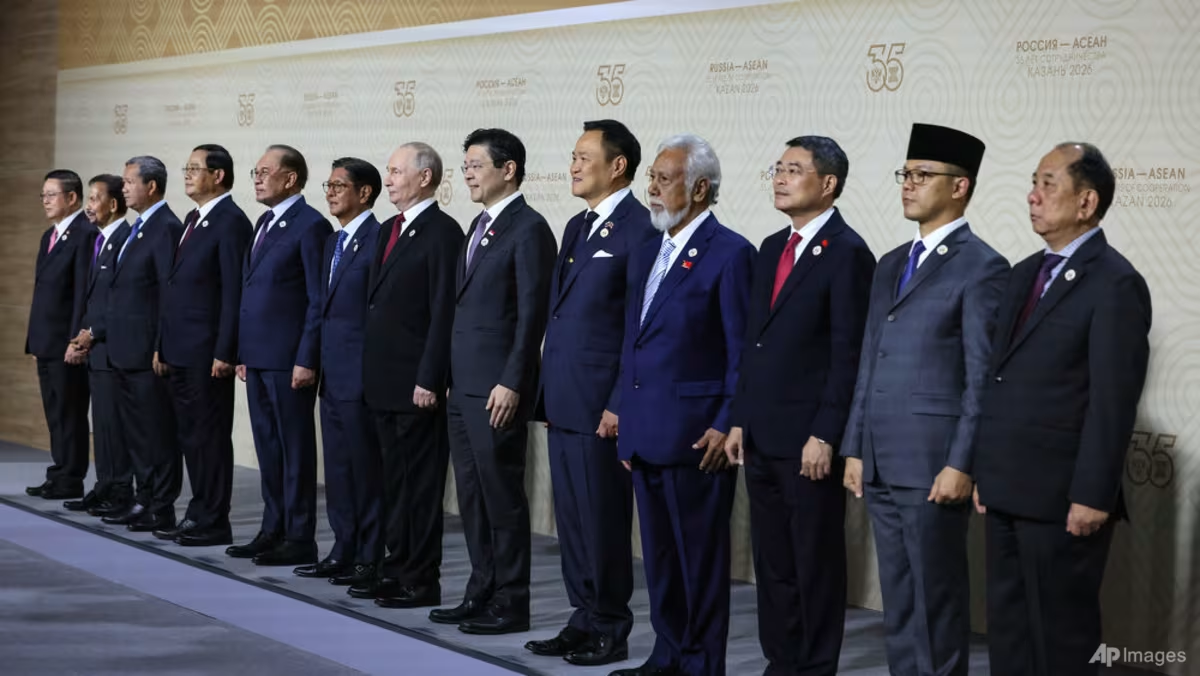
In the coming days, key political figures from Southeast Asia will gather in Kazan. Among them will be the president of the Philippines, a US ally who will hold face-to-face talks with Vladimir Putin. The prime minister of Singapore, the only ASEAN country to have imposed sanctions on Russia, will also be in attendance. Experts say Southeast Asia is establishing itself as a new, stable center of power on the international stage. Moscow's active rapprochement with ASEAN allows it to effectively diversify its "pivot to the East."
The summit’s agenda is packed with sessions where crucial documents will be adopted, as well as bilateral meetings. The parties will need to define their approaches to international issues and the direction of their partnership through 2030. Russia has a history of cooperation with ASEAN countries in various fields: from high technology to agriculture, Pavel Shaternikov, a senior lecturer at the National Research University Higher School of Economics, told Izvestia. "The main thing is that Russia’s pivot to the East should not be reduced to a pivot solely toward China. The more actively we cooperate with countries in Southeast Asia, the more positively we will be perceived there. Currently, many residents of the Asia-Pacific region still see Russia as either a remnant of the Soviet Union or an incomprehensible, cold northern country," he noted. "Russia is, of course, becoming better known in the region, but there is still much work to be done along this path," the expert emphasized.