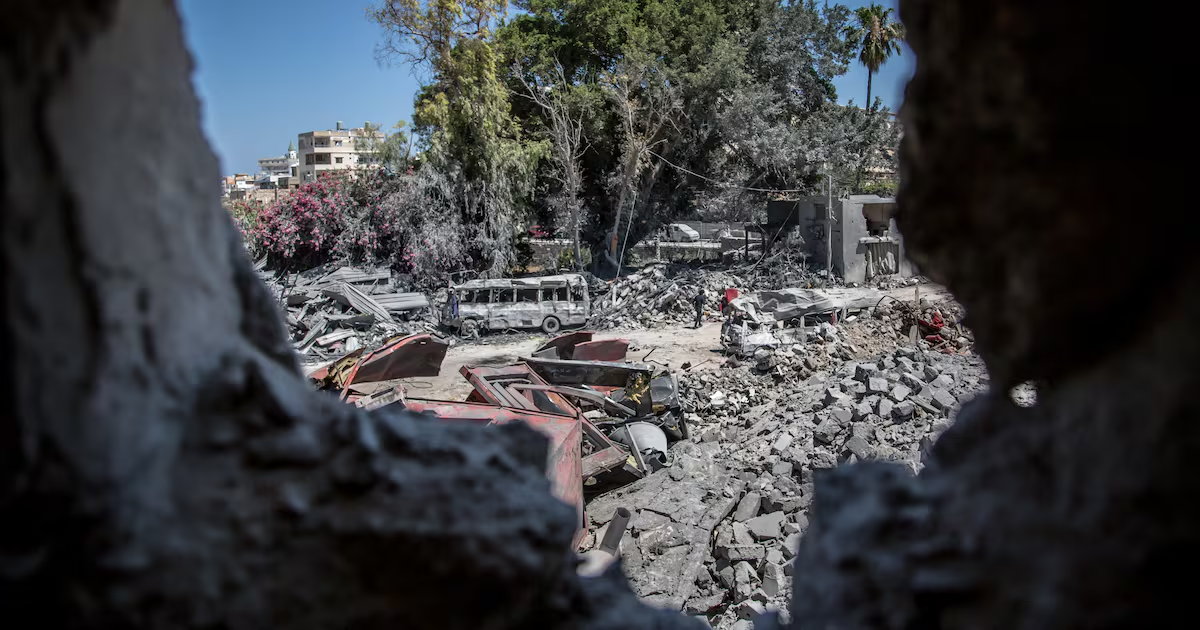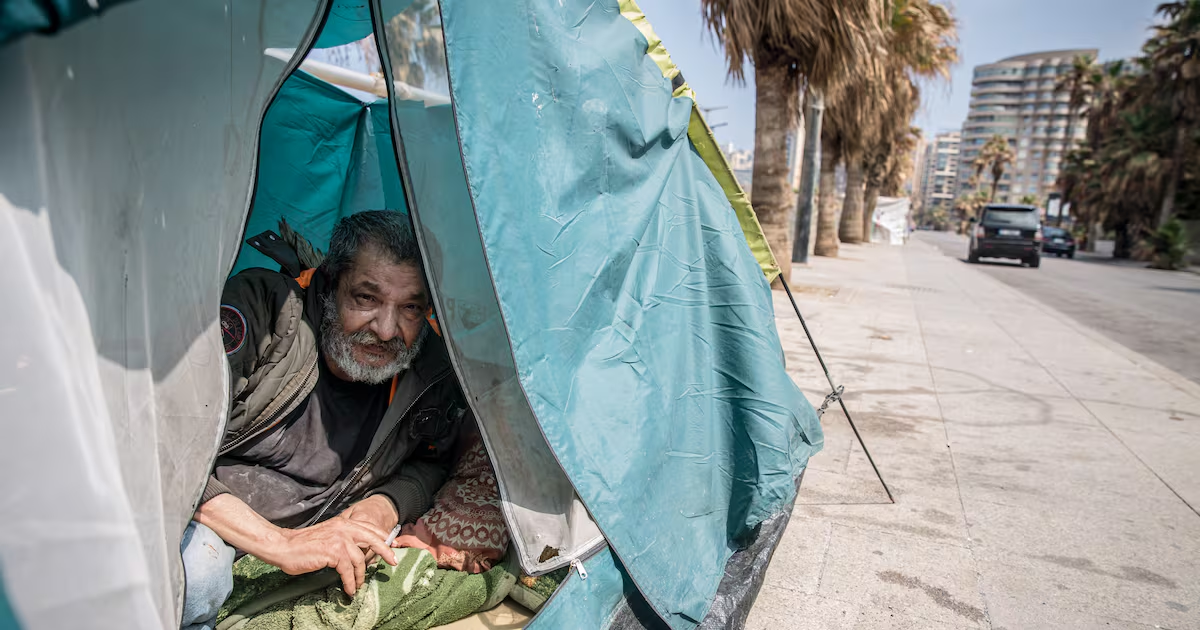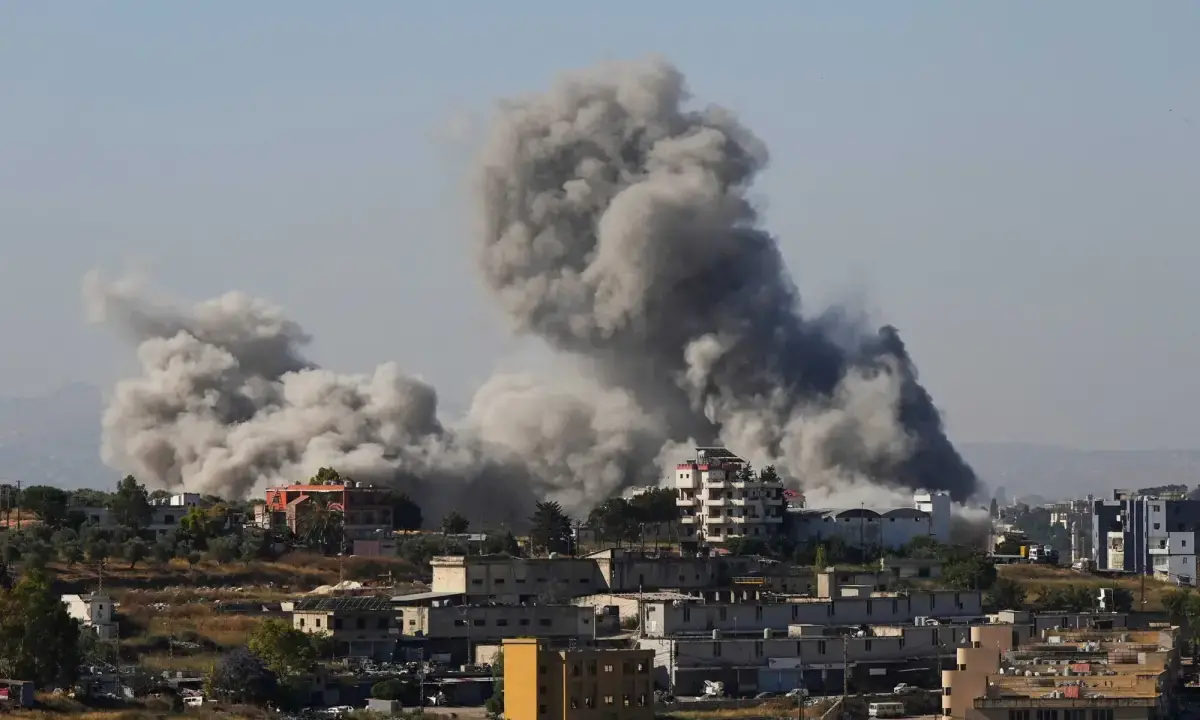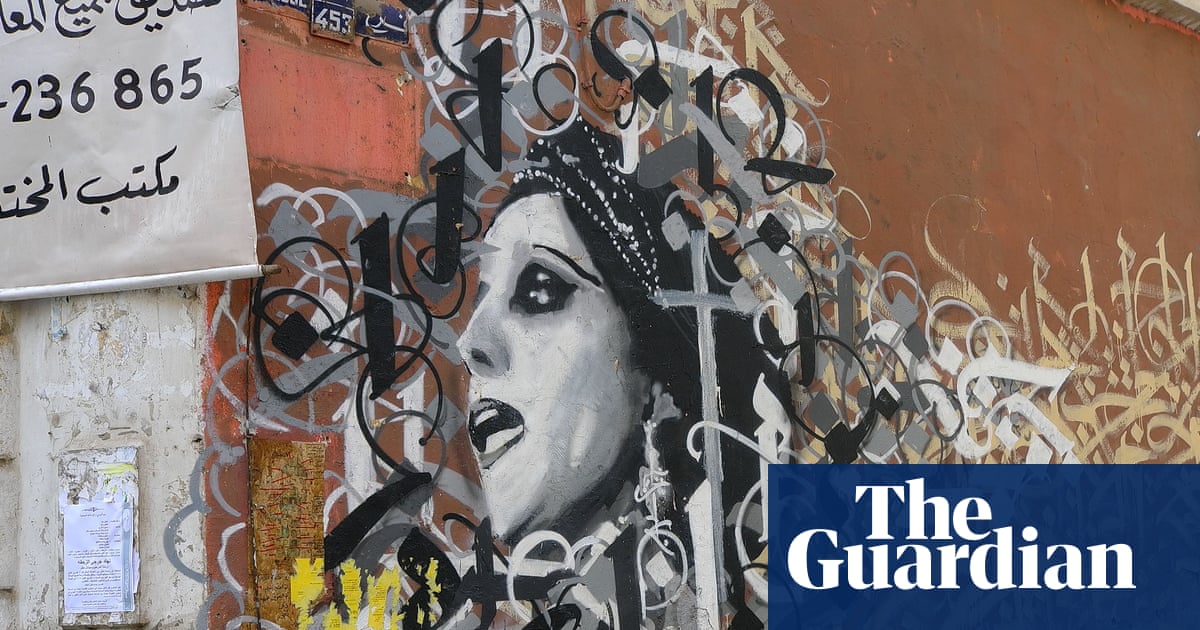
The legendary Lebanese singer Fairuz’s “Li Beirut” has long carried the sorrow, dignity and wounded beauty of a city that has endured war, loss and abandonment. It is not simply a song about Beirut. It is a memory of a country that has repeatedly been forced to turn pain into endurance. Today, Lebanon’s tragedy extends beyond the grief of its capital. It is unfolding in the south, where Israeli military pressure, civilian displacement, the destruction of border communities and the paralysis of the Lebanese state are converging into a new and dangerous reality. Under the language of cease-fire diplomacy, Lebanon is facing the gradual normalization of occupation and suspended sovereignty.
The current crisis can no longer be reduced to the familiar Israel-Hezbollah-Lebanese state triangle. The urgent question today is not simply whether Hezbollah will be disarmed or whether the Lebanese state is too weak to impose its authority. These remain important, but they are no longer sufficient. The deeper question is whether Lebanon’s sovereignty is being emptied of meaning while diplomacy makes this erosion appear technical and manageable.
Diplomacy under occupation
The latest Washington talks reveal this paradox clearly. On June 2 and 3, the United States convened the fourth high-level trilateral meeting between Israeli and Lebanese representatives. According to the joint statement released after the meeting, Israel and Lebanon agreed to the implementation of a cease-fire. Yet this cease-fire was made contingent on a complete cessation of Hezbollah fire and the evacuation of Hezbollah operatives from the South Litani Sector. The statement also referred to the creation of “pilot zones” where the Lebanese Armed Forces would take exclusive control of territory, excluding all non-state actors.