M
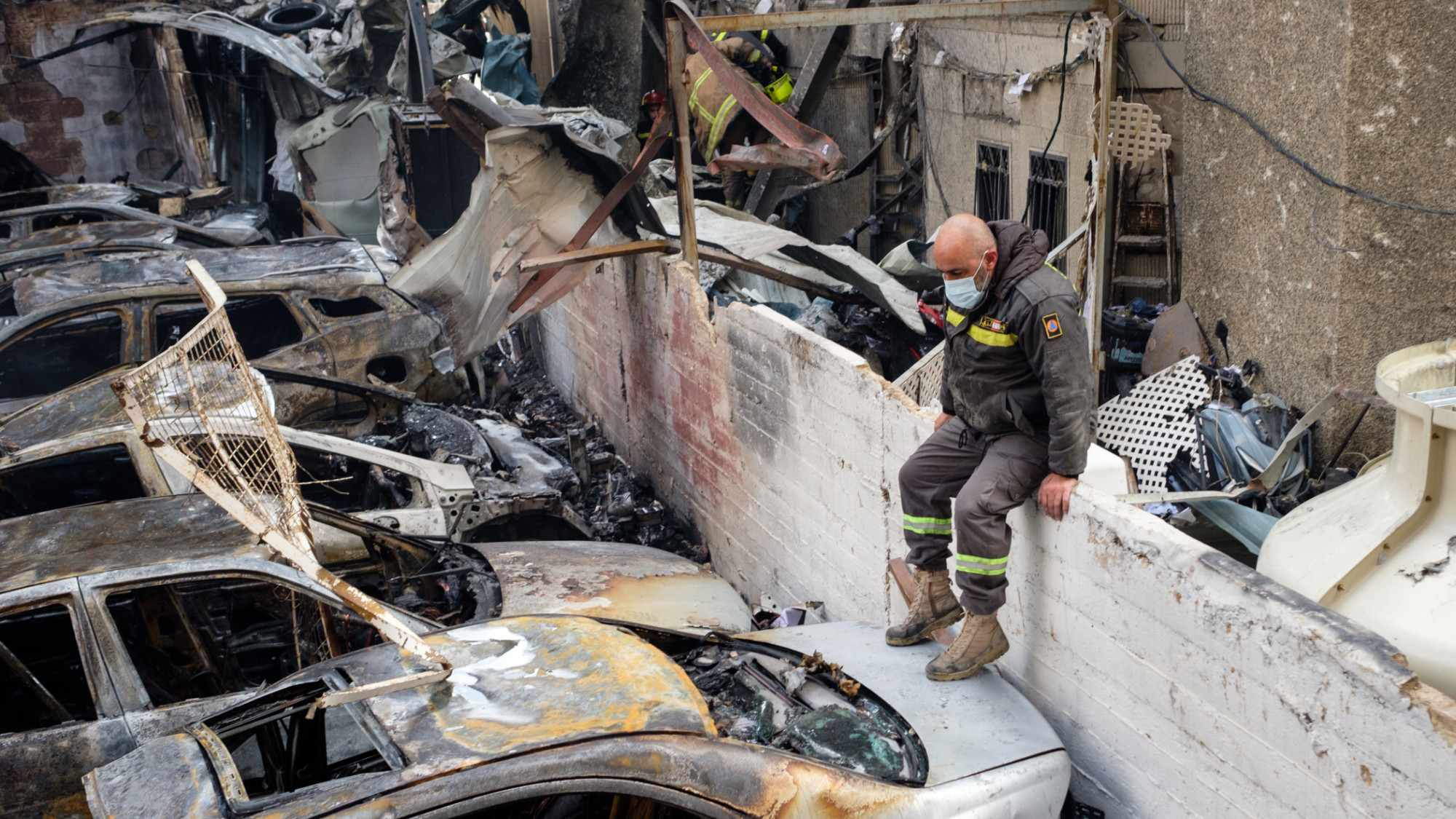
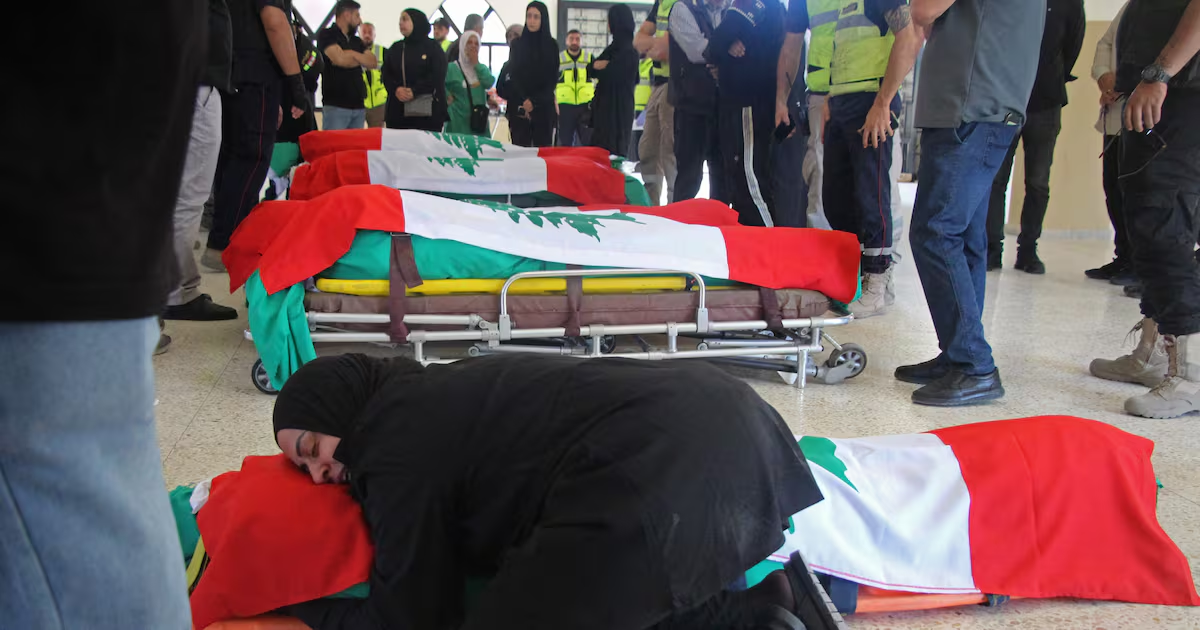
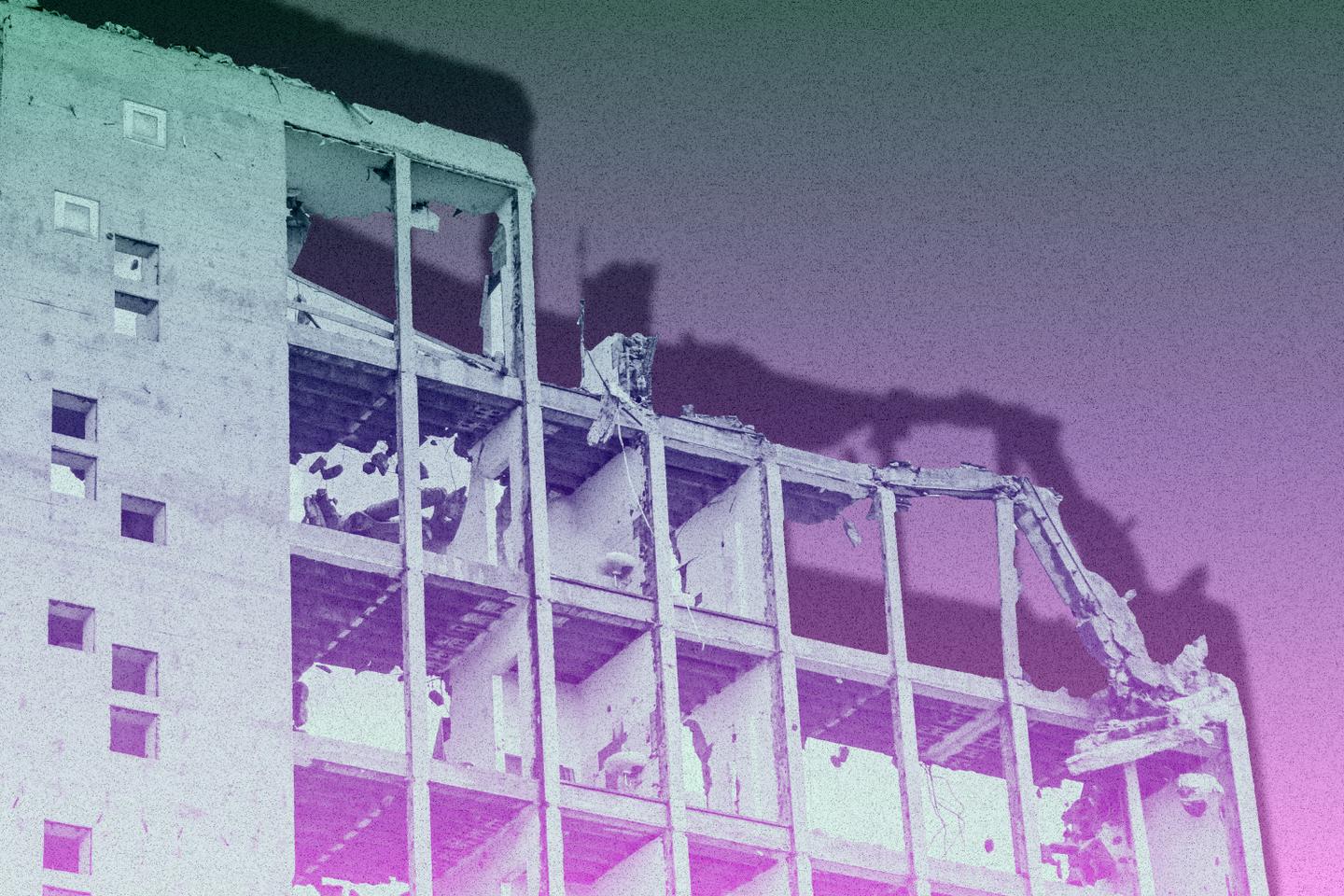
arch 1. I wake up at 3:15 am to the dull sound of an explosion. I think I am dreaming, but another follows, louder: a series of Israeli airstrikes in Beirut. Within minutes, I am on the phone with my family, my news feed flooded with footage of destruction. I already know these feelings: fear, dissociation, the pain I am about to witness. But this physical experience is new. Distance once separated me from it. This time, I am here.
Two years earlier, when war broke out in 2024 between Israel and Hezbollah, I was in my final year at university in Paris. I followed the events through a screen, refusing to accept that any of it was real. However frightening the footage, it mostly pushed me to find a way home. I could not make it. Yet I needed to bridge the distance.
I found a way: my final thesis. I immersed myself in research and analysis about Lebanon, fueled by interviews with friends abroad. I wanted all young Lebanese far from home to feel included. And, in return, to feel less alone myself.
Lebanon is shaped by conflict, and war has seeped into conversations for generations. My grandmother, who loved telling me stories, would always add, "But, you know, it was the war." One day, I asked her, "When was it not?" She laughed: "What do you want me to say? It's your country."