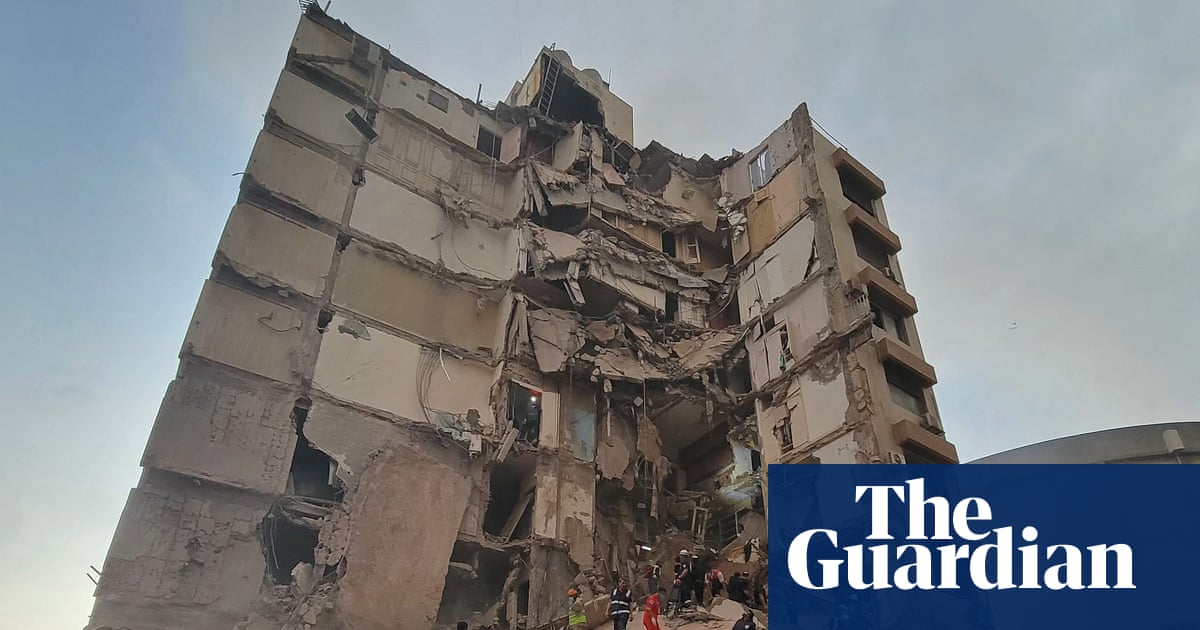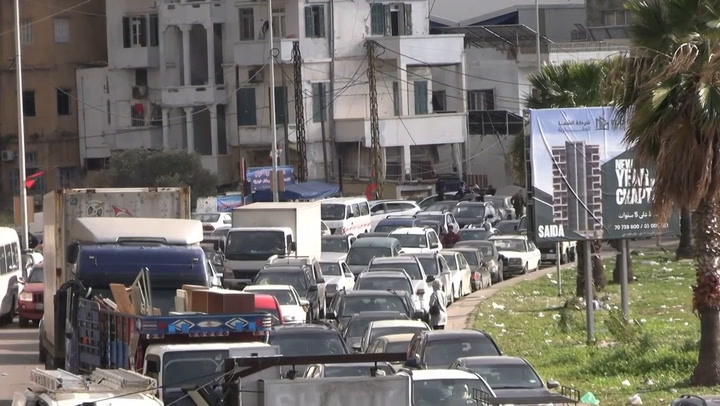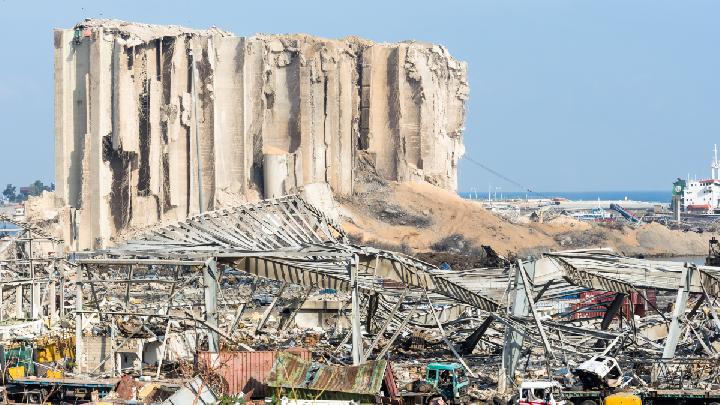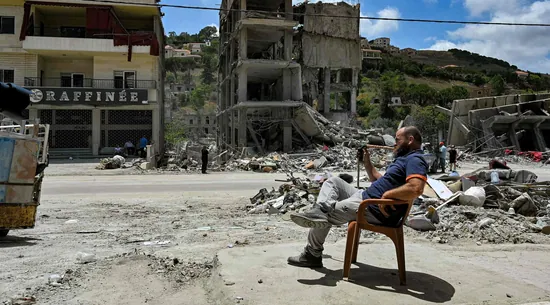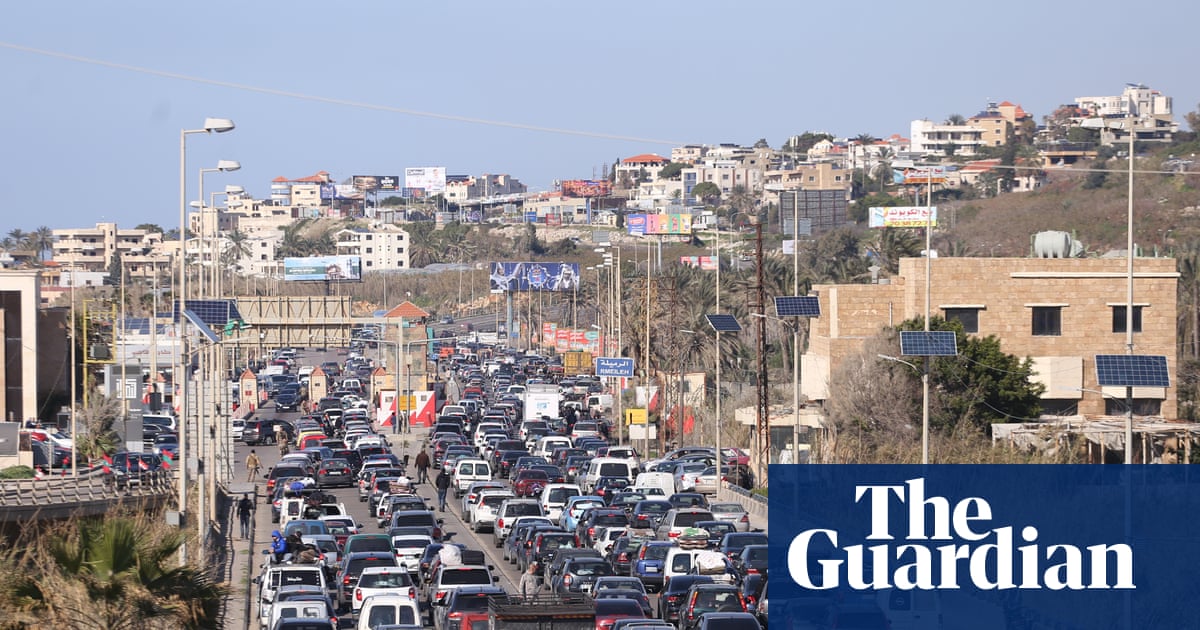
When Rabih Torbay landed in Lebanon on April 8, he was shocked to find the airport and the road to Beirut empty. The drive brought back memories of his childhood during the country’s civil war several decades ago: Stretched out before him were views of the southern suburbs’ destruction.
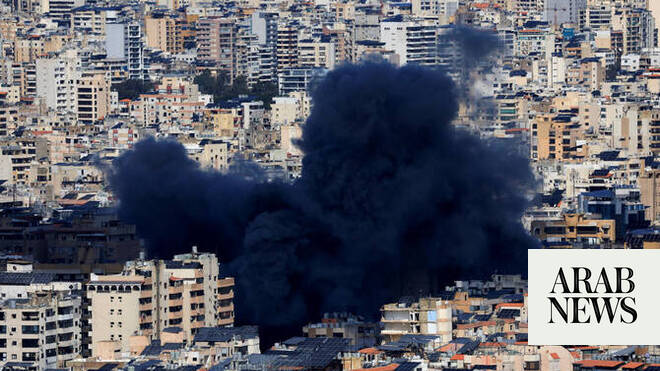
One hour later, Israel launched 100 airstrikes in a 10-minute window on his homeland. There was no warning.
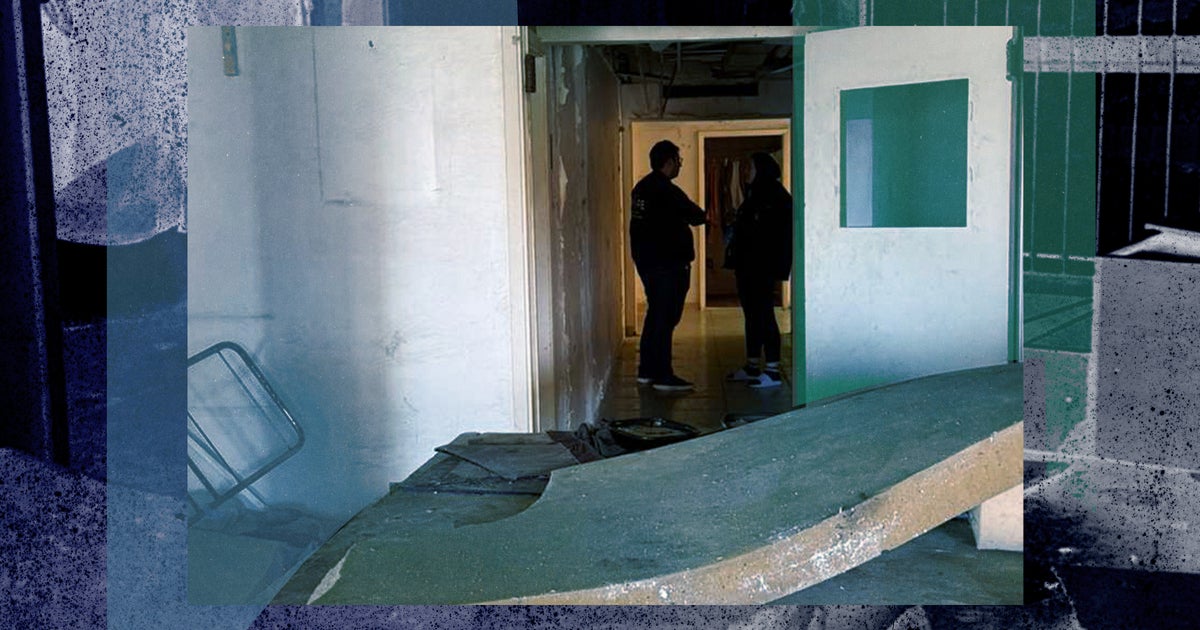
Torbay recalled hearing the attacks on densely populated areas while at the Beirut office of his humanitarian group, Project HOPE.
“We were not in any direct danger, but you could tell the staff were all rattled,” he said. “Suddenly everybody whipped out their phones and started calling their loved ones just to make sure they’re OK.”
That day’s attack killed more than 350 people, injured more than 1,200 and destroyed civilian infrastructure, according to Lebanon’s Ministry of Public Health. Israel agreed to a temporary truce with Hezbollah on April 17, and on Thursday agreed to extend the ceasefire by three additional weeks.