Residents describe the constant disruption of life under fire and whether military action should wind down
I
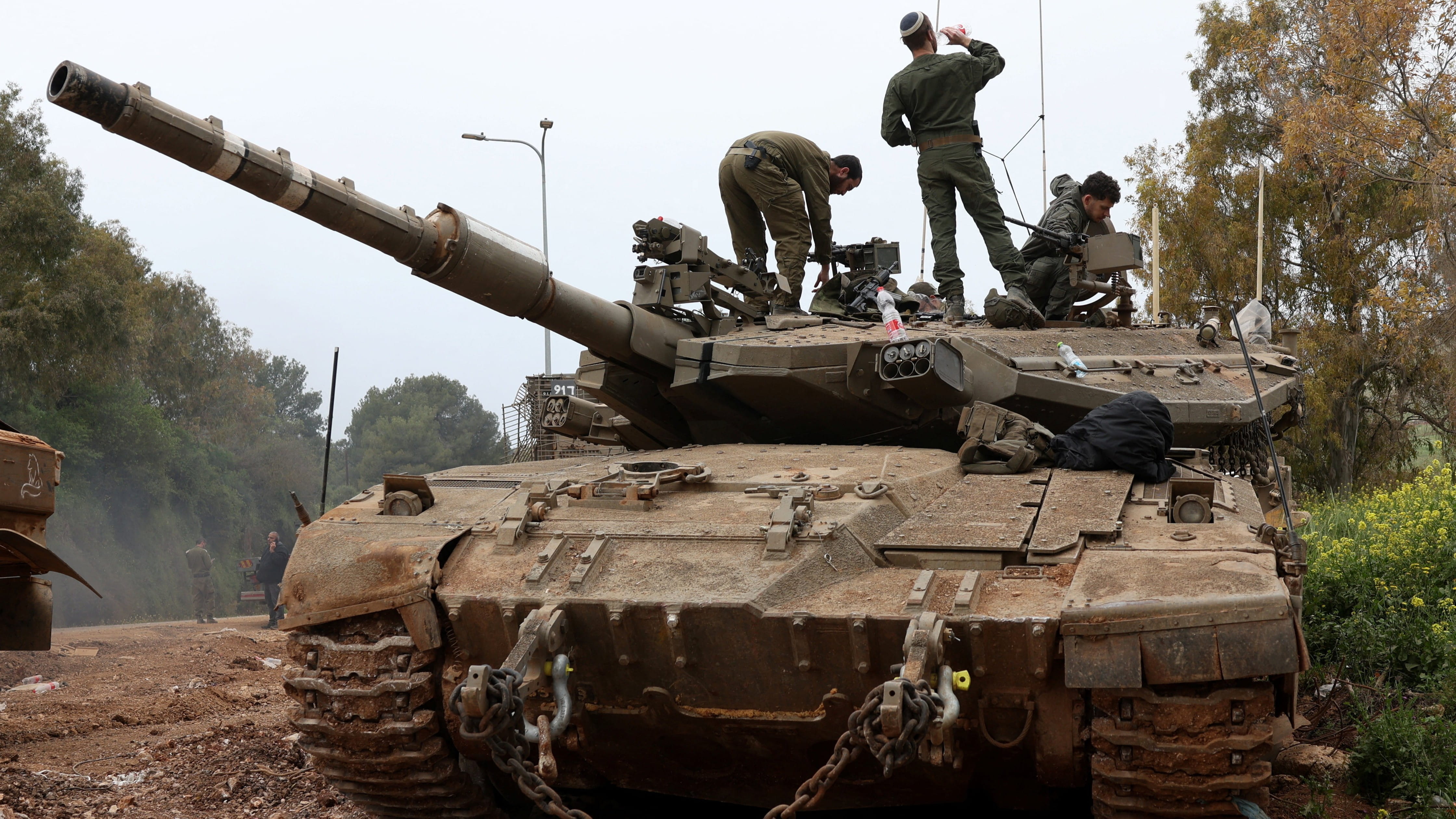
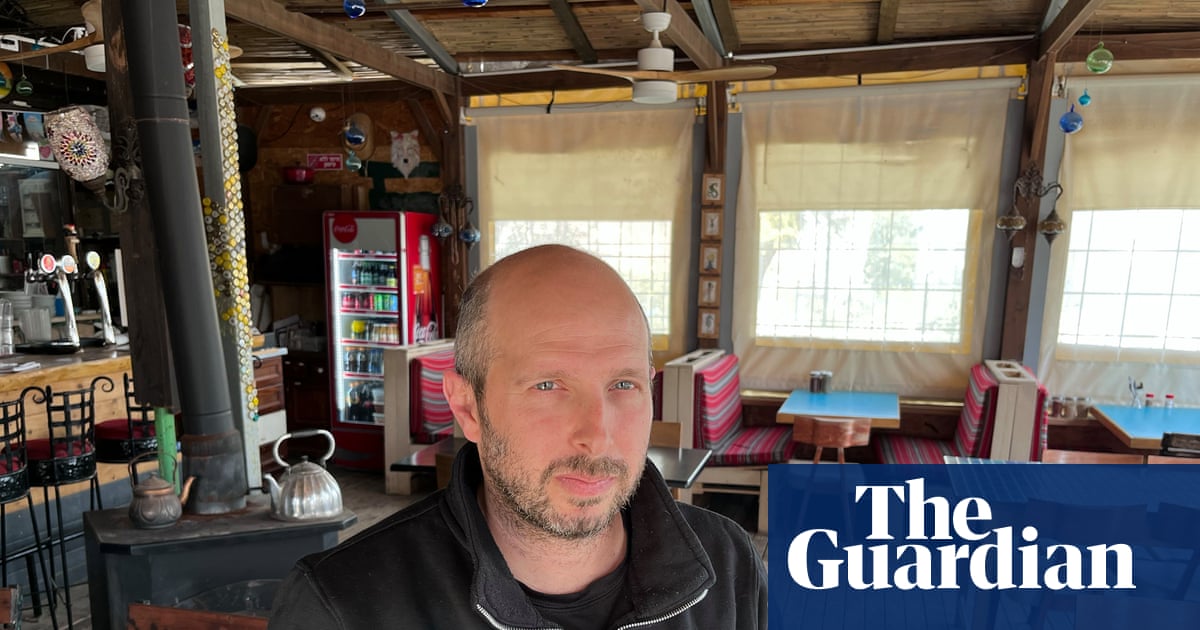
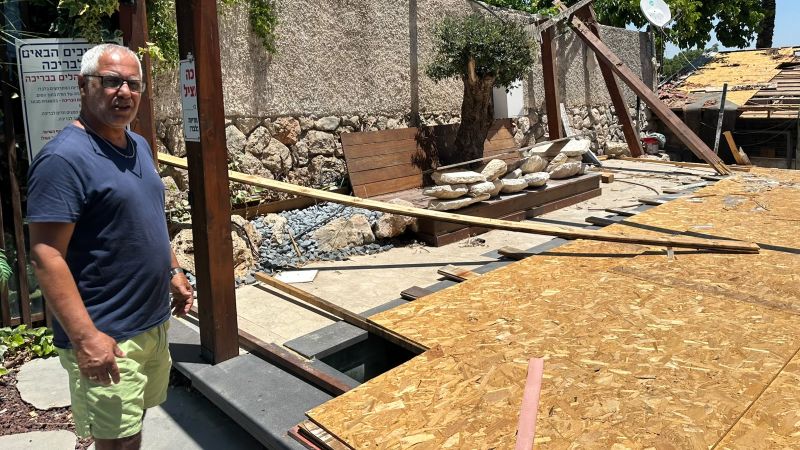
t is a day after Israel killed more than 300 in a ceasefire-defying attack in Lebanon, and five miles from the border, at kibbutz Cabri in northern Israel, the quiet of the early Thursday evening has been disrupted.
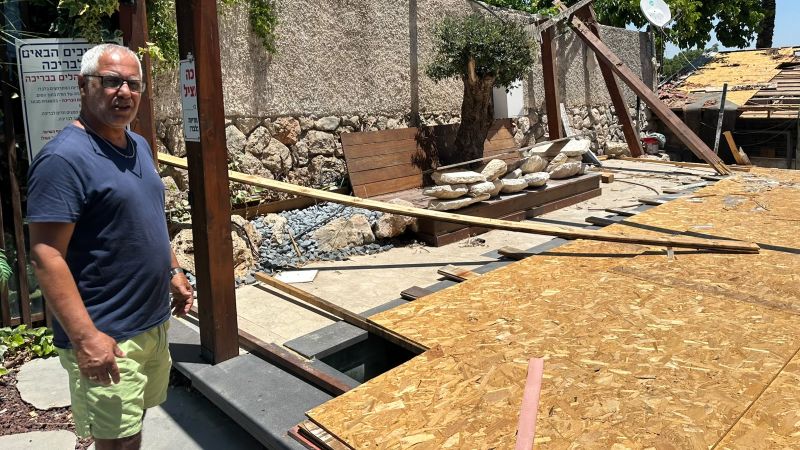
Three times, as the Guardian tries to leave, air raid sirens sound, and twice Iron Dome interceptors are launched. The last of the rockets fired by Hezbollah from Lebanon is sufficiently close that the Moria family and their visitors head promptly to a reinforced safe room, shutting a heavy metal door behind them. The family dog is there too, knowing the drill.
A couple of hours earlier, Yael Shavit, one of Cabri’s residents, said the official reaction time had been relaxed “to 30 seconds, up from zero seconds a few days ago”, in the light of the supposed ceasefire. But Orly Moria is less sure: “I don’t think it’s 30 seconds,” she says, cutting in. The reality is that in practical terms the time to respond to an attack from Lebanon remains almost nothing.