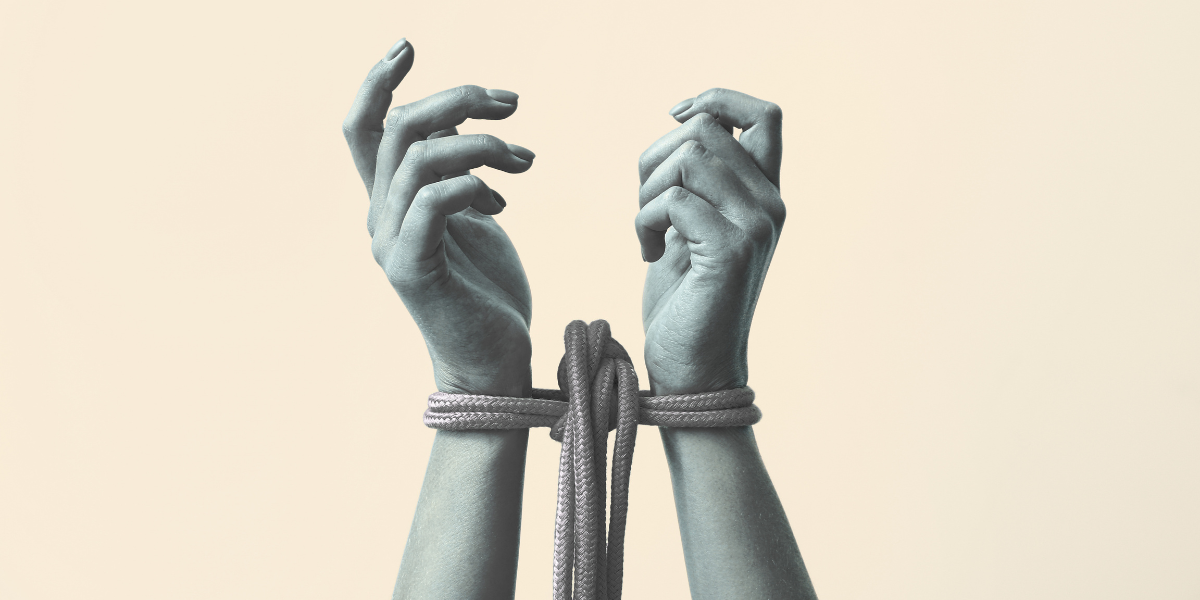
The specific terminology varies across the world, but generally, BDSM is an umbrella term that reflects a wide range of erotic desires, behaviors, identities, relationships, and communities related to bondage and discipline, dominance and submission (D/s), and sadism and masochism.Article continues after advertisement
BDSM involves consensual exchanges of power, but keep in mind that power shapes all erotic and sexual encounters. Most sexual relationships involve social scripts around who is the so-called top, or dominant partner, and who is the bottom, or submissive partner. These assumptions reflect positions of power. People who practice BDSM are just more intentional and imaginative than non-kinky folks about how they play with power in erotic encounters.
Like our sexualities, BDSM contains multitudes. It does not just reflect a set of practices performed in a dungeon by a black latex–wearing, spike leather–booted, whip-holding dominatrix with a menacing smile—as enticing as she sounds.
BDSM also reflects each component of our sexualities. D/s could refer to specific erotic role-playing desires, actual behaviors or practices, identities (e.g., people identifying as a Dom or a sub), or a specific relationship (e.g., a collared or committed relationship between a sub and Dom). It can also refer to a community of Doms and subs.