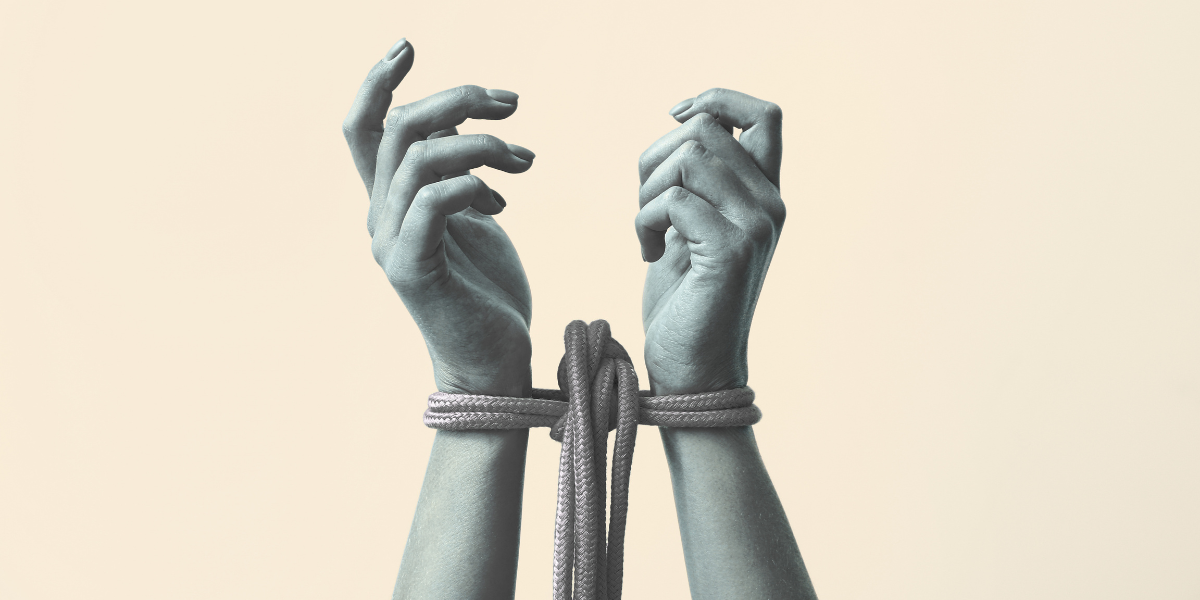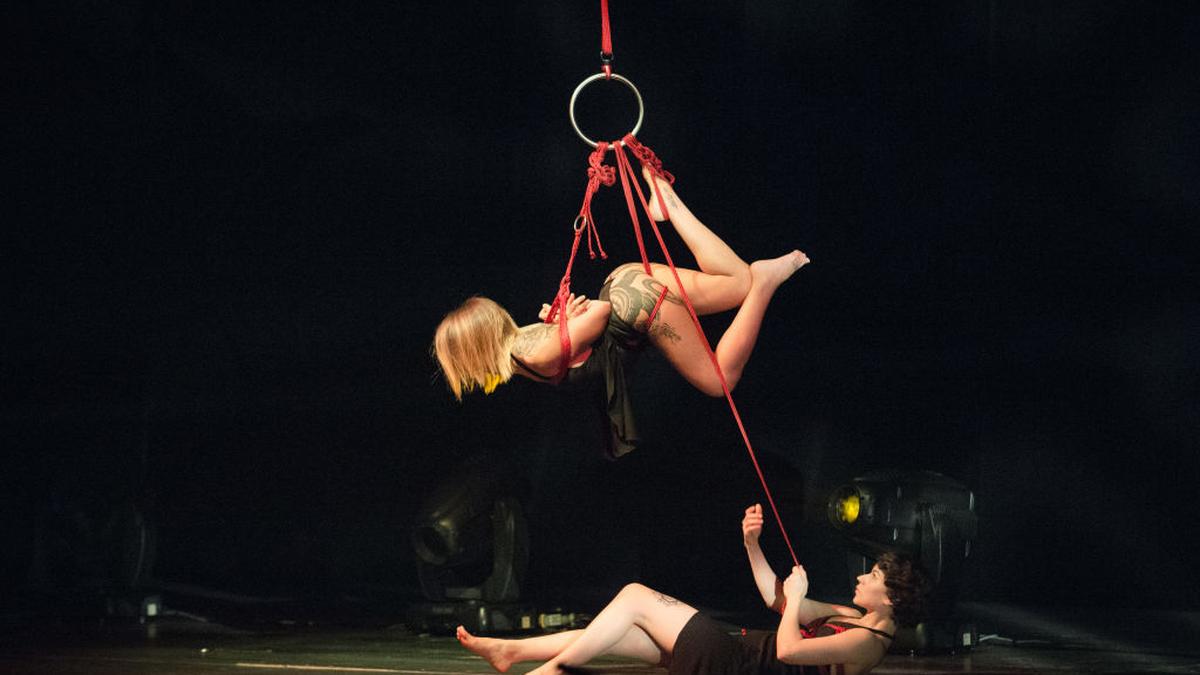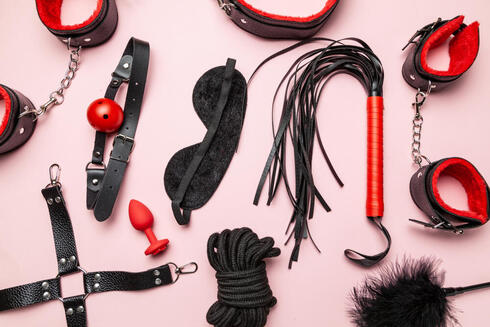
In conservative religious circles, BDSM is rarely discussed, leaving many to navigate desire, shame and relationships alone; a married couple, a single religious woman, a Jewish mysticism scholar and therapists describe a hidden world where faith and alternative sexuality often collideHodaya (alias), a 35-year-old religious Zionist woman and teacher, does not tell the men she dates about her attraction to BDSM. The fantasy of being submissive is something she keeps to herself. In her view, there is a deep gap between that world and the standard religious Zionist dating scene.“In the end, it is taboo even in secular society, to some extent,” she says in a candid conversation. “I think many people would be put off by the very idea, not for any good reason. Many would think it is not normal, not normative. It is seen as extreme.”10 View gallery (Photo: Photopixel / Shutterstock)But she does not believe BDSM necessarily contradicts religious life. “Touch and sex before marriage, outside married life, that does contradict it,” she says. “But there is no problem with a married couple living a BDSM life. As long as they keep the Jewish laws of niddah and family purity, there is no problem with it.”BDSM is an umbrella term that includes several categories: bondage and discipline, dominance and submission, and sadism and masochism. Not everyone in the BDSM community practices all of them, and the range of possible dynamics is broad. BDSM relationships may also extend beyond sex.Those drawn to it often face prejudice from people who see BDSM as dark or disturbing. For religious and ultra-Orthodox Jews, the social challenge can be even more complex.10 View gallery BDSM does not necessarily contradict religion (Photo: LightField Studios / Shutterstock)Harel and Tehila (both pseudonyms) are a longtime couple who live in a religious community. They have been married for more than 30 years and have adult children. “In our relationship, the dynamic is dominant and submissive. There are also couples where it is the other way around,” Harel says. “In terms of content, it is the opposite of violence, the opposite of exploitation. The dominant partner takes responsibility for the submissive partner. The basis of these relationships is complete trust on both sides and open and honest communication. Without that, it cannot exist.”He says some practices can be dangerous and require knowledge and caution. “These are risks we take consciously, and I am responsible for her, for making sure she is whole and healthy, because I need her. So I have someone to tie up,” he says with a smile.“He was always the one leading, and I always followed him,” Tehila says. Only three years ago did the couple formally define their relationship as BDSM. “If it were not good for me, I would leave,” she says. “For me, it is natural. I live my life happily. If it did not work for me, I simply would not continue. It builds my life and makes it whole.”What did it do to your marriage?
BDSM in the religious world: couples, singles and rabbis confront a silent taboo
In conservative religious circles, BDSM is rarely discussed, leaving many to navigate desire, shame and relationships alone; a married couple, a single religious woman, a Jewish mysticism scholar and therapists describe a hidden world where faith and alternative sexuality often collide
4,599 words~21 min read