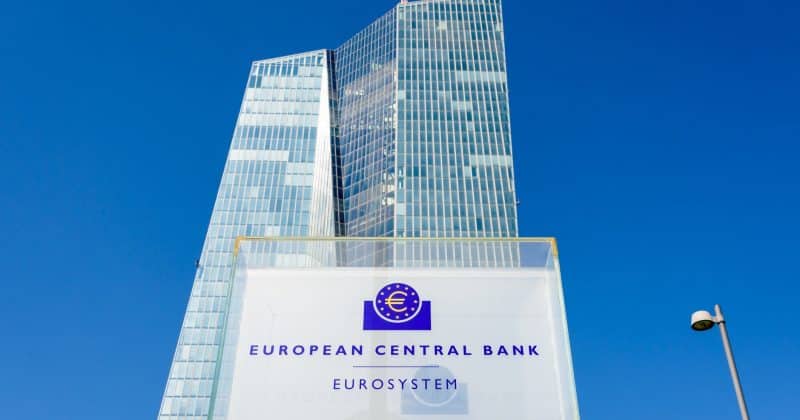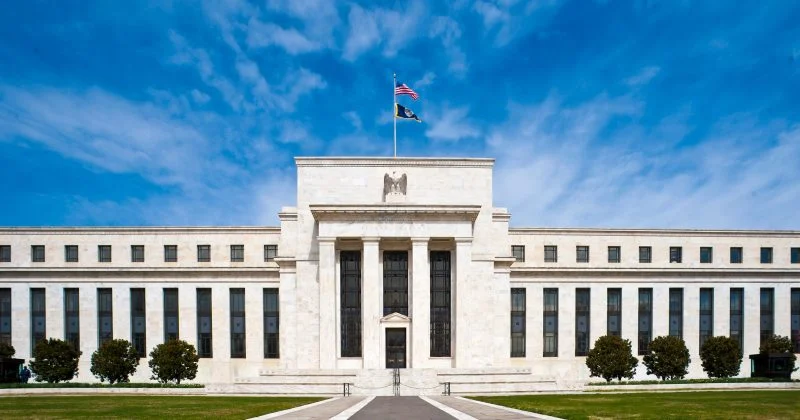
Two central banks. Two completely different reads on the global economy. The European Central Bank just hiked its deposit facility rate to 2.25% on June 11, marking its first increase since 2023. Meanwhile, the Federal Reserve is widely expected to hold its federal funds rate steady in the 3.50%-3.75% range when it meets on June 16-17.
Why the ECB blinked first
The ECB’s rate hike wasn’t born from economic strength. It was born from fear. Inflationary pressures tied to Middle East conflicts and rising energy costs forced Frankfurt’s hand, even as the Eurozone economy posted a miserable 0.1% GDP growth in Q1 2026.
This is a sharp reversal from the ECB’s posture through most of 2025, when it was cutting rates multiple times to try to stimulate growth. That easing cycle wrapped up around mid-2025, and now the bank has pivoted entirely in the opposite direction.
PMIs in the Eurozone are indicating contraction, which means manufacturing and services activity is shrinking. Raising rates into that environment is the monetary policy equivalent of running uphill in the rain.