The European Central Bank just hit the brakes. After months of cutting rates to stimulate the eurozone economy, the ECB’s Governing Council reversed course on June 11, raising all three key interest rates by 25 basis points. It’s the first rate increase since September 2023, and it marks a significant shift in a monetary policy that had been trending steadily dovish.
The deposit facility rate now sits at 2.25%, up from 2.00%. The main refinancing operations rate moved to 2.40%, and the marginal lending facility rate climbed to 2.65%. None of this was a surprise. Market expectations ahead of the decision showed a 99-100% probability of the hike, meaning traders had already baked it into their positions.
Inflation forced the ECB’s hand
Headline inflation in the eurozone has surged above 3%, well beyond the ECB’s 2% target. The primary culprit is energy costs. Geopolitical tensions in the Middle East, particularly surrounding the Strait of Hormuz, have pushed oil and gas prices higher. The Strait of Hormuz is the narrow waterway through which roughly a fifth of the world’s petroleum passes daily.
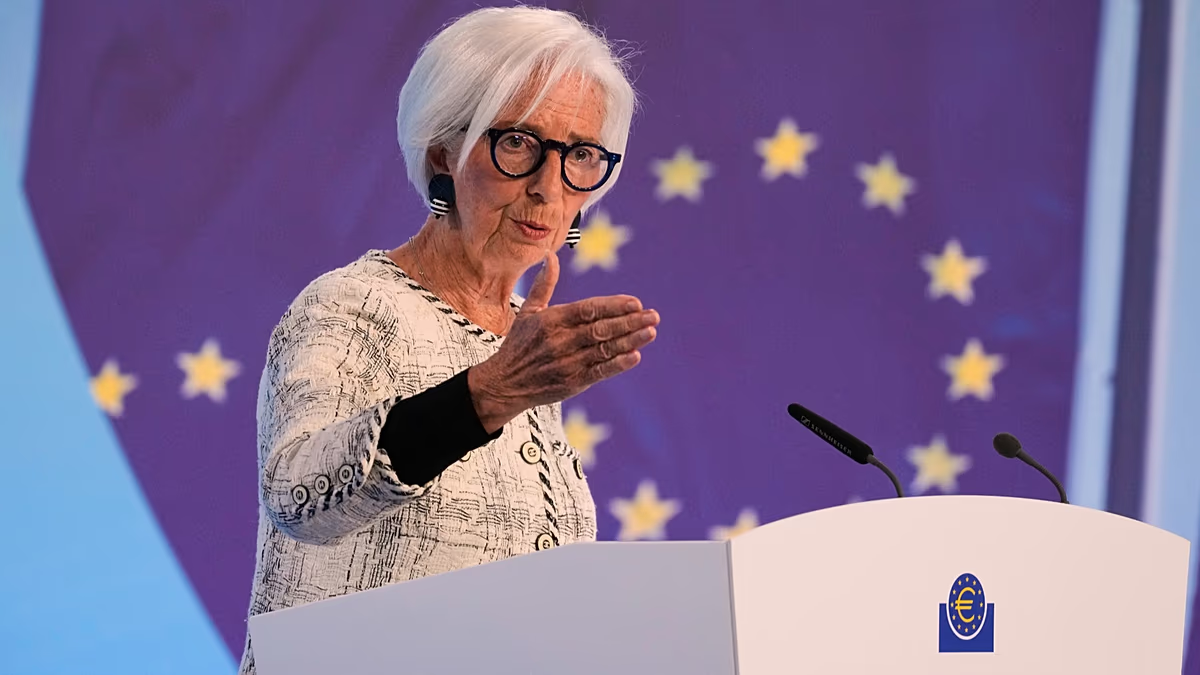
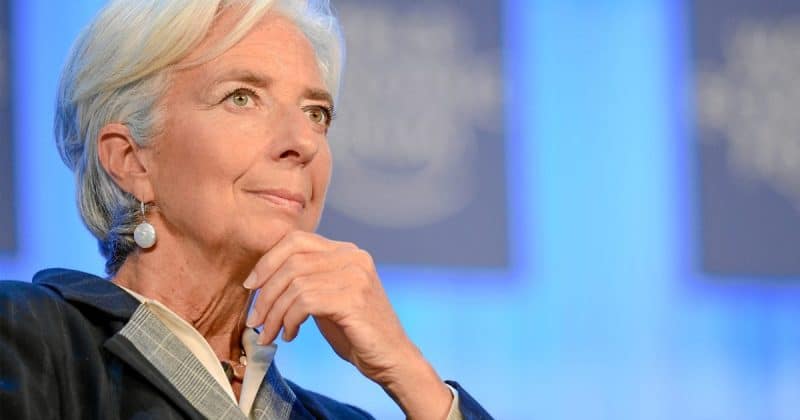
ECB President Christine Lagarde emphasized that the central bank remains “data-dependent” and committed to its 2% inflation target, without pre-committing to any specific path for future hikes.