Omni-Path lights up Lawrence Livermore system at 400 Gbps
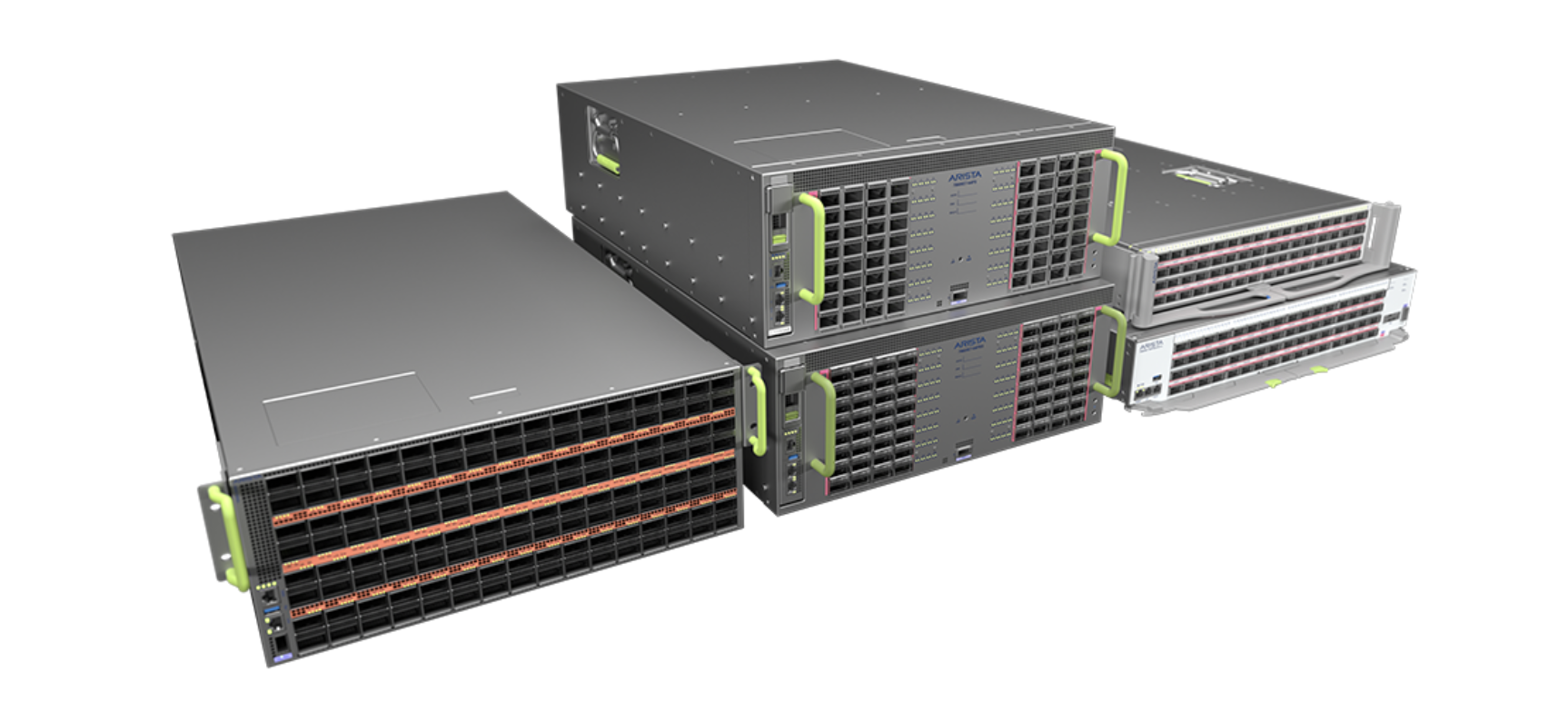
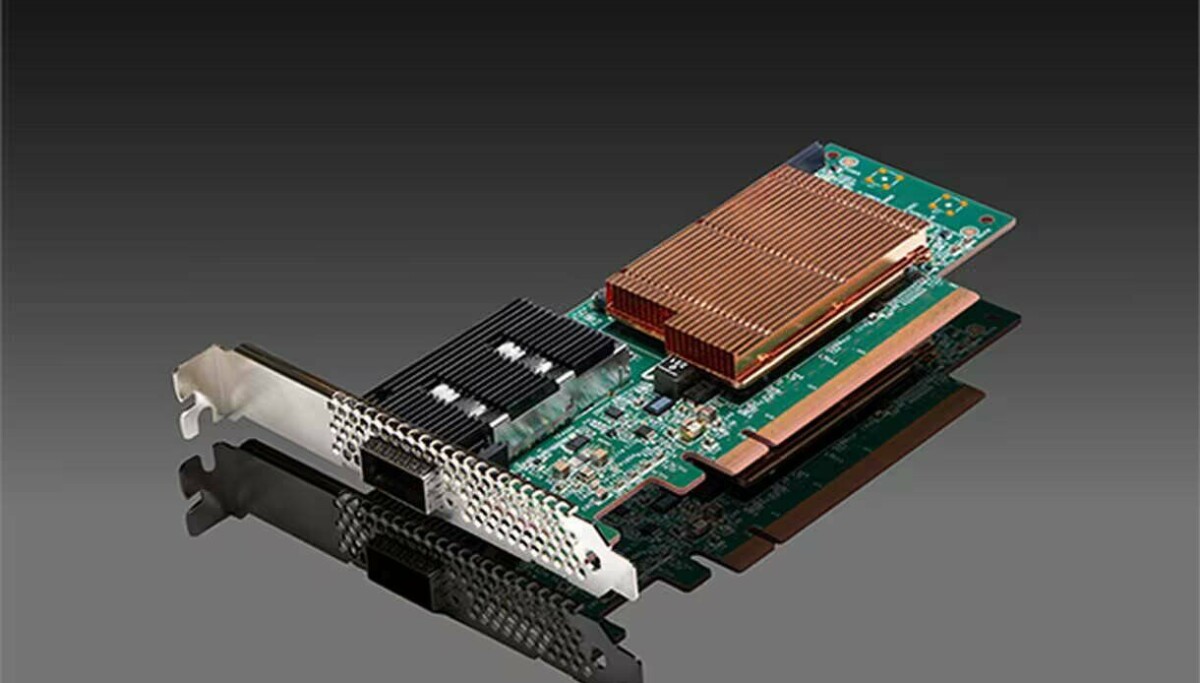
When it comes to networking supercomputers, Nvidia's InfiniBand rules the roost, but a new competitor is sneaking into the space with its own solution. This week the Department of Energy powered on a new cluster at Lawrence Livermore National Laboratory, and gluing it all together is Intel spinoff Cornelis Network’s Omni-Path interconnect tech.Lynx is a relatively modest bit of iron, at least as DoE supers go, packing 952 Dell Technologies PowerEdge nodes powered by Intel’s aging 4th-gen Xeon Scalable processors, codenamed Sapphire Rapids. The system, commissioned by the National Nuclear Security Administration (NNSA) will provide additional compute capacity for some of America’s most secretive workloads. But what sets the machine apart isn’t the compute, but rather its choice of interconnect. Most DoE systems today either use HPE Cray’s proprietary Slingshot 11 or Nvidia’s InfiniBand networking. Lynx uses neither, instead opting for Cornelis Network’s CN5000-series Omni-Path switches and NICs.
“The collaboration between the NNSA ASC program and Cornelis has been rooted in a shared commitment to advance high-performance computing. Lynx reflects the results of that public-private R&D investment and will support the modeling, simulation, and analysis capabilities that underpin the modern NNSA complex,” Matt Leininger, a senior principal HPC strategist at LLNL, said in a statement.