The AI supersystem shift: Why Arista’s 1.6T announcement is an Ethernet inflection point
The networking industry loves inflection points. Over the years, we have had many new compute models that require the network to evolve. For as long as I can remember, the holy war between InfiniBand and Ethernet was fought on a relatively simple battlefield: throughput versus ubiquity.
But as artificial intelligence workloads scale from tens of thousands of processors to massive clusters approaching the million-graphics-processing-unit mark, the network is fundamentally changing. It is no longer just a standalone infrastructure layer; it has become the critical backplane of a tightly integrated AI supersystem.
The InfiniBand vs. Ethernet debate has been interesting, as data center engineers have always preferred Ethernet if all things were equal, but that wasn’t the case, as InfiniBand continually outperformed Ethernet. But over the past couple of years, that gap has been closing to the point where the performance is negligible in most use cases.
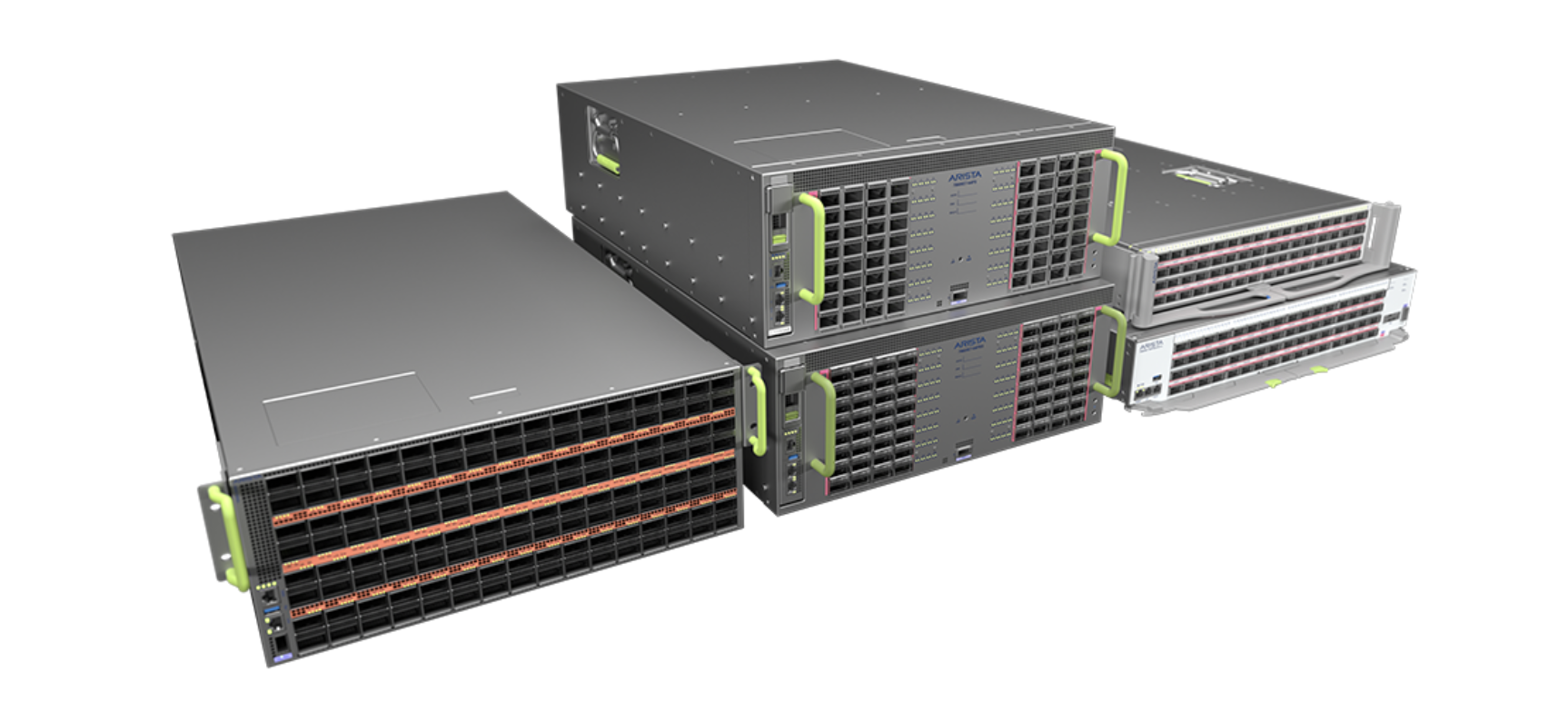
Today Arista Networks Inc. made its next move by announcing its Arista 7060XE7 Series of switches (pictured), based on Broadcom Inc.’s Tomahawk 6 silicon. The 1.6Tb portfolio, powered by the Arista 7060XE7 Series, delivers a whopping 100 terabits per second of switching capacity and 224G SerDes technology. However, though the speeds and feeds tend to grab headlines, the real innovation is the architectural pivot toward rack-scale integration, the operationalization of open standards, and what these signals for the enterprise and Tier-2 market segments.