Central banks aren’t just buying gold. They’re buying a lot of it, and they’re getting increasingly particular about where they keep it.
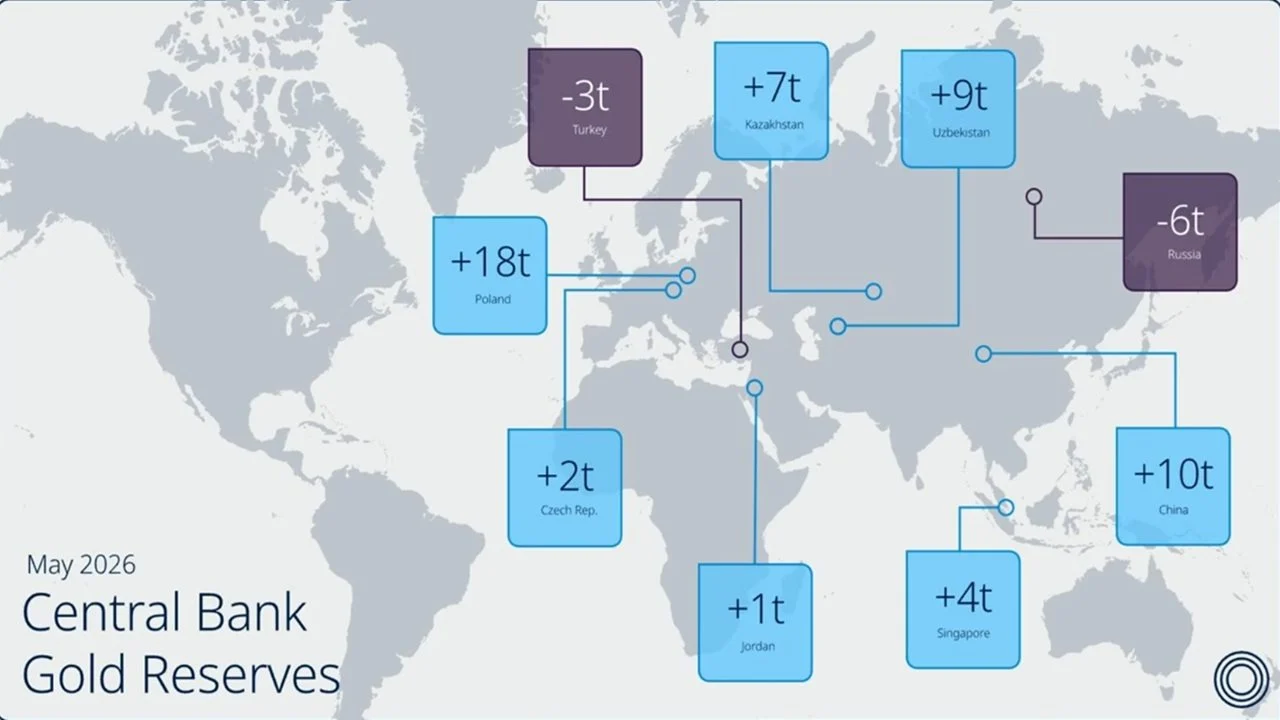
In the first quarter of 2026, central banks globally scooped up 244 tonnes of gold, a 3% increase compared to the same period last year and comfortably above the five-year quarterly average. Poland led the pack with 31 tonnes, followed by Uzbekistan at 25 tonnes. And according to the World Gold Council’s June 2026 Central Bank Gold Reserves Survey, a record 45% of central banks intend to add more gold to their reserves over the next 12 months.
The numbers behind the gold rush
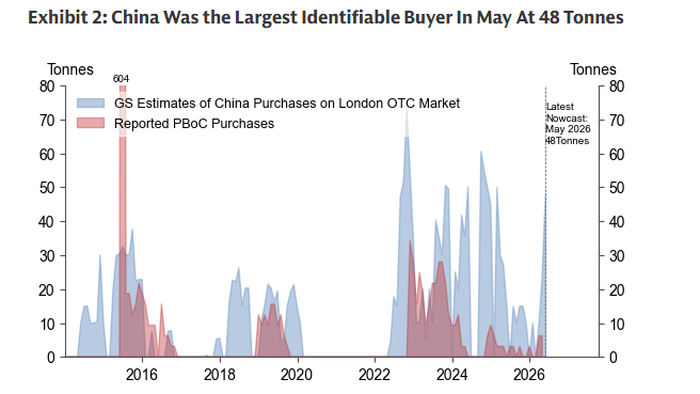
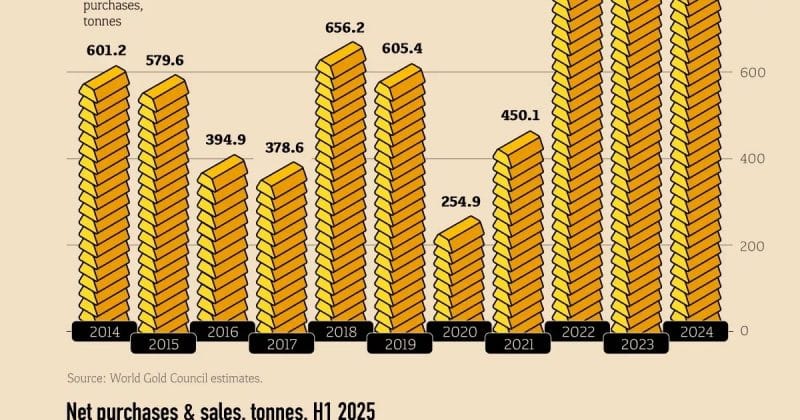
Central banks purchased over 1,000 tonnes annually during the 2022-2024 stretch, then dialed back slightly to 863 tonnes in 2025. Goldman Sachs estimates that central banks will continue buying at a clip of roughly 60 tonnes per month through the remainder of 2026, a projection that underpins the bank’s bullish year-end gold price forecast of $5,400 per ounce.
Poland’s National Bank has been especially aggressive. In April 2026 alone, it added another 14 tonnes, bringing its year-to-date total to 45 tonnes. The country’s broader strategy aims to push its total gold reserves toward 700 tonnes. The People’s Bank of China purchased 8 tonnes in April, extending an uninterrupted buying streak that now spans 18 months. Other consistent accumulators include Kazakhstan and Brazil. Meanwhile, 89% of central banks surveyed by the World Gold Council expect global central bank gold reserves to grow over the coming year.