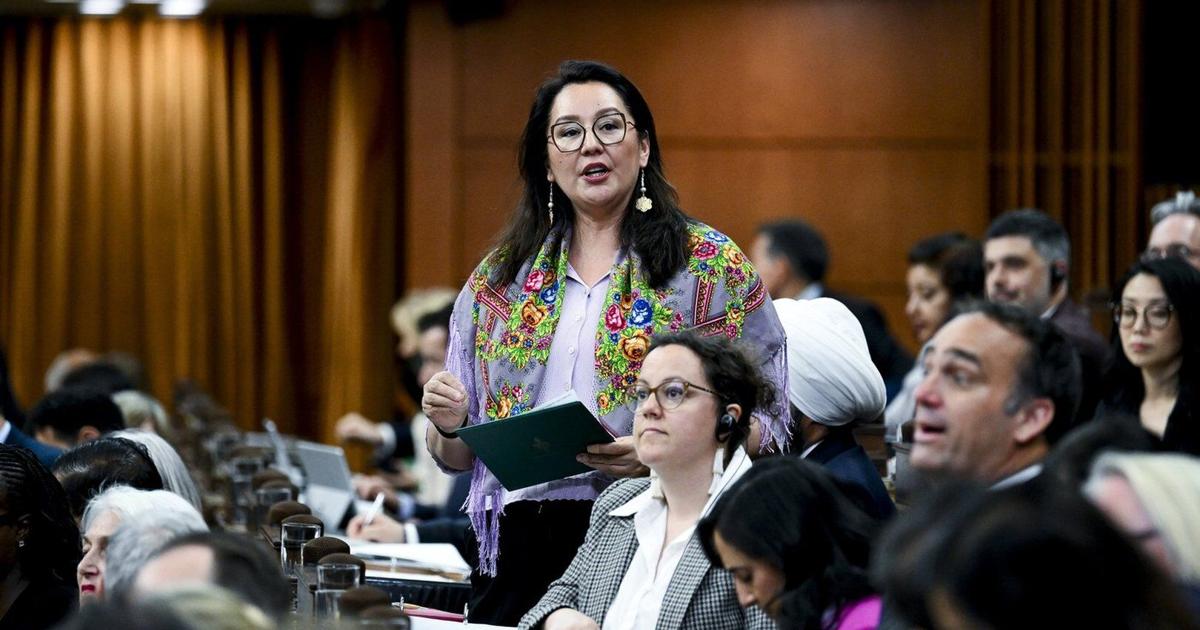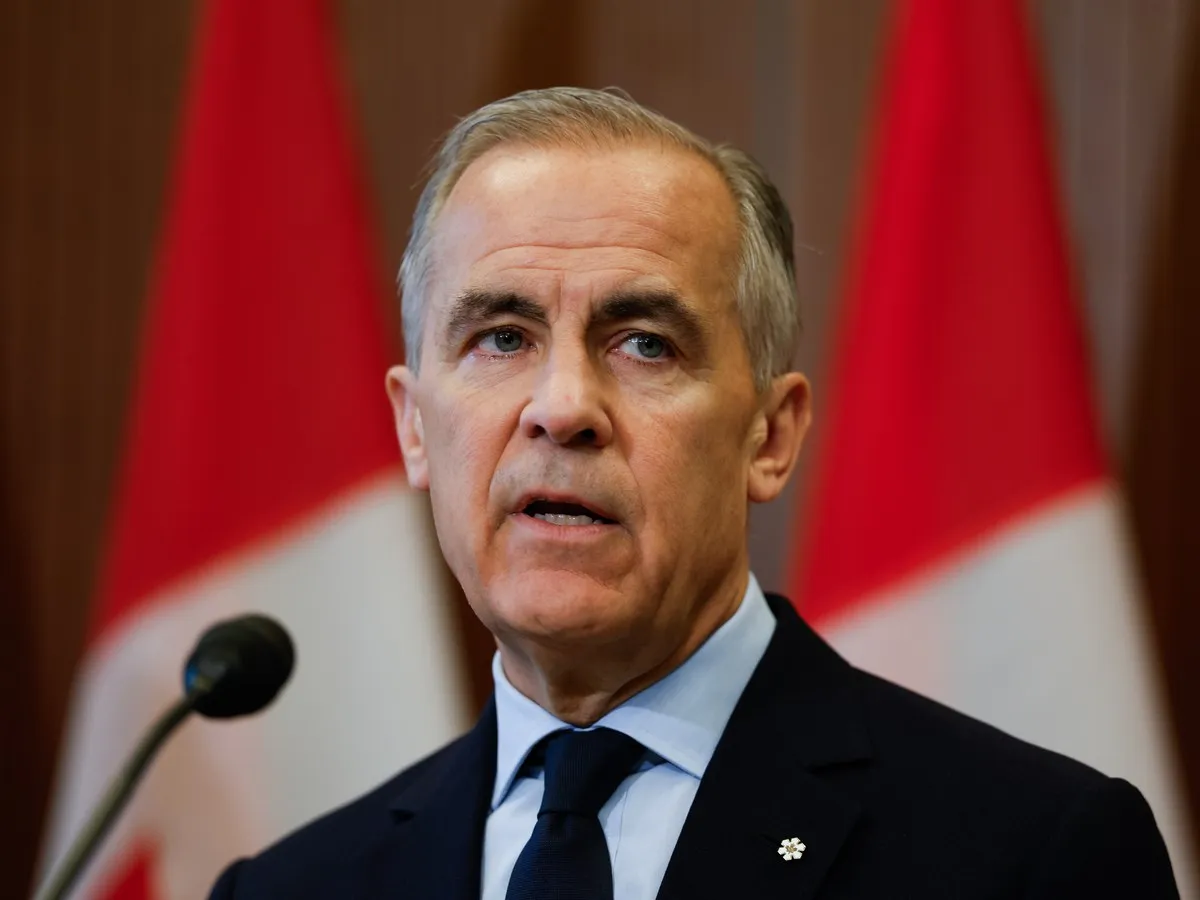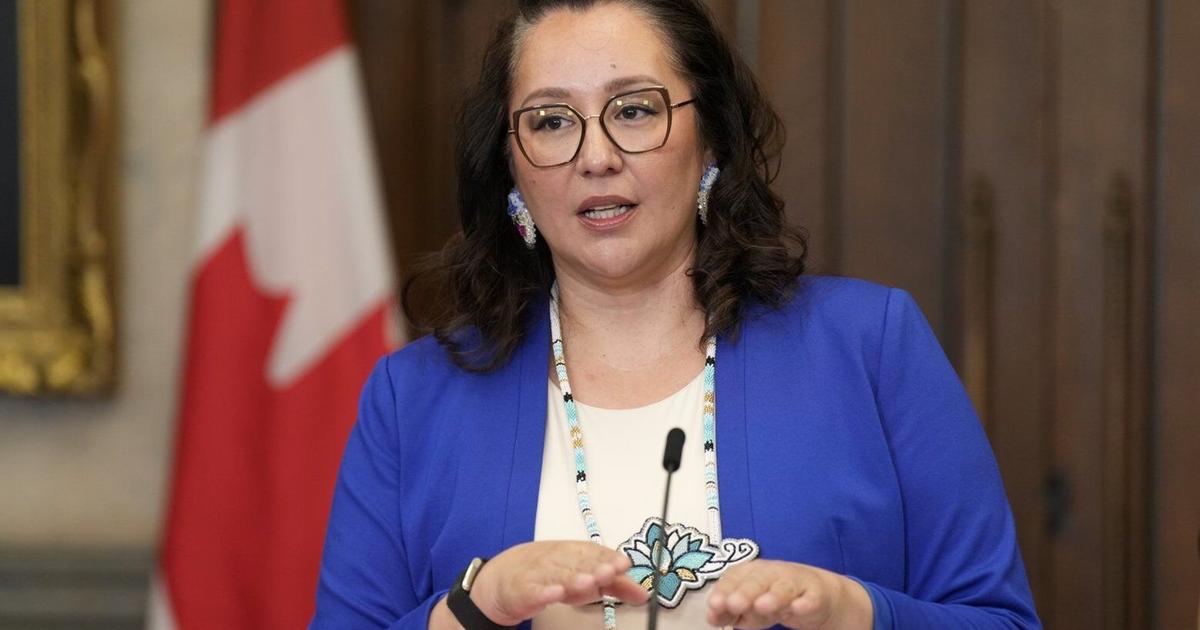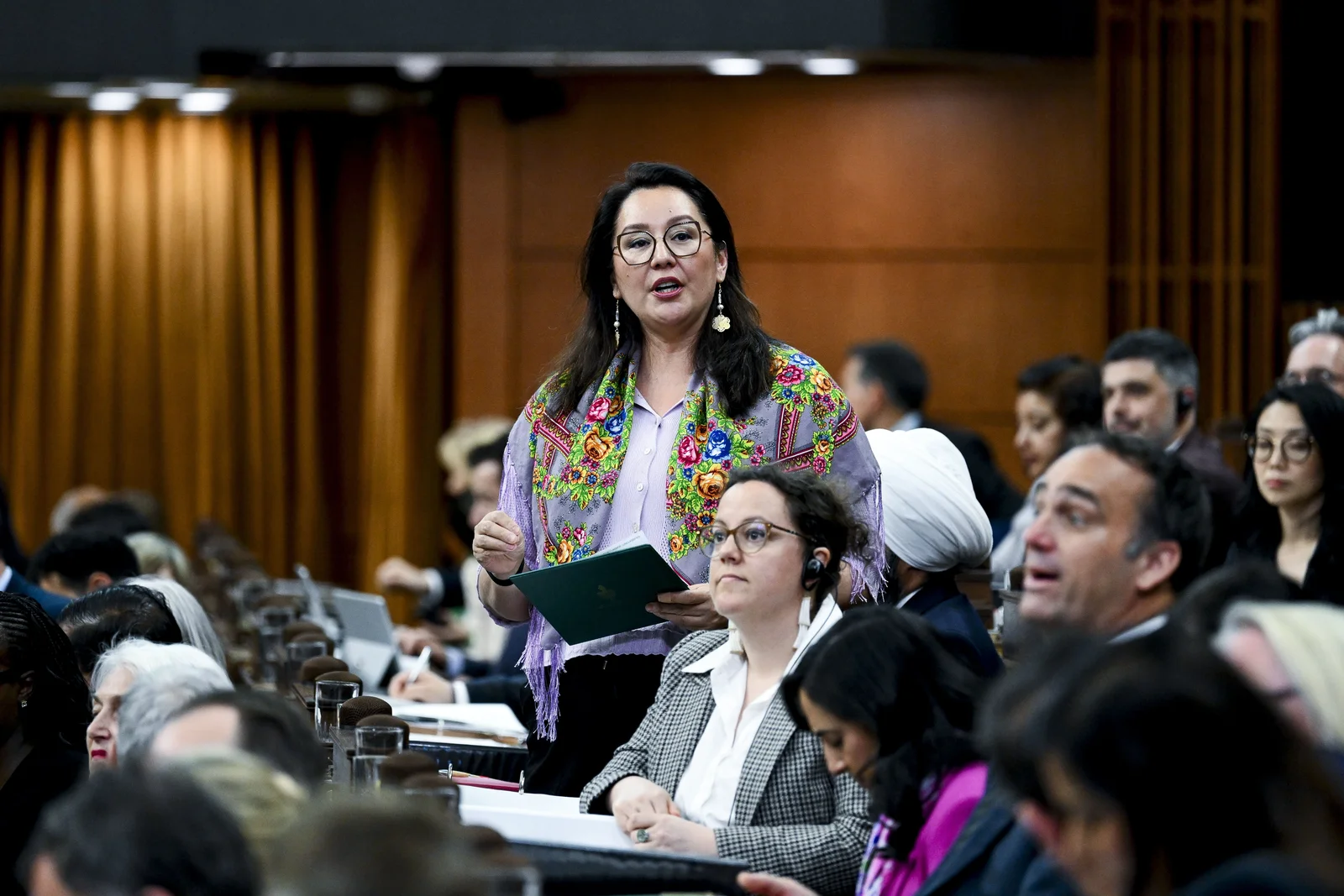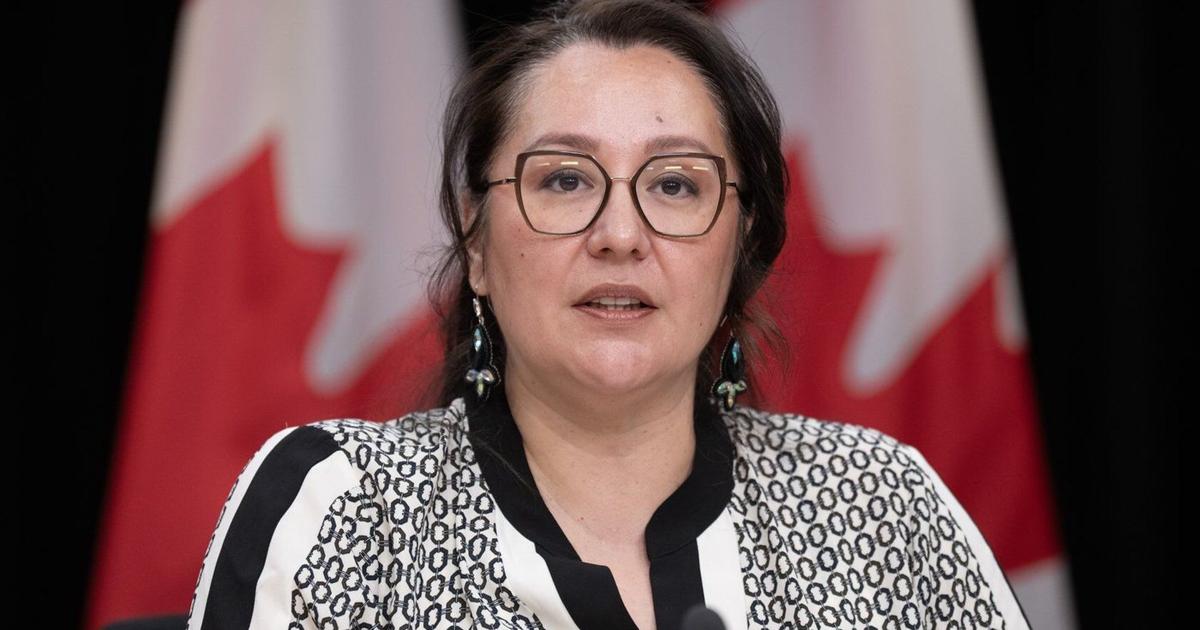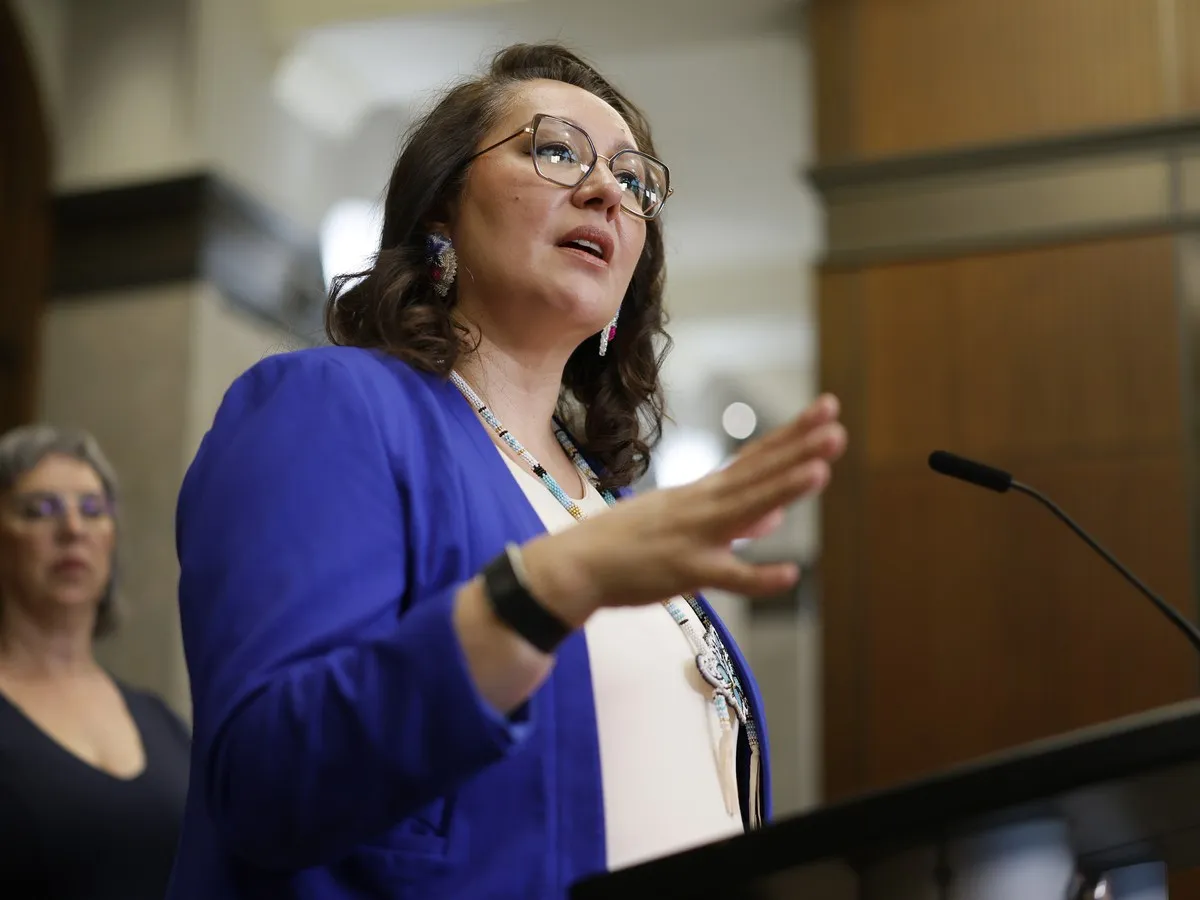
Skip to Content Subscribe Our Offers My Account Manage My Subscriptions FAQ Newsletters Canada Canadian True Crime Canadian Politics Health World Israel & Middle East Financial Post NP Comment Longreads Puzzmo Diversions Comics NP News Quiz New York Times Crossword Horoscopes Life Eating & Drinking Style Sponsored Play for Ontario Travel Travel Canada Travel USA Travel International Cruises Travel Essentials Culture Books Celebrity Movies Music Theatre Television Business Essentials Advice Lives Told Tails Told Shopping Buy Canadian Home Living Outdoor Living Kitchen & Dining Tech Style & Beauty Personal Care Entertainment & Hobbies Gift Guide Travel Guide Amazon Prime Day Deals Savings National Post Store More Sports Hockey Baseball Basketball Football Soccer Golf Tennis Driving Vehicle Research Reviews News Gear Guide Obituaries Place an Obituary Place an In Memoriam Classifieds Place an Ad Celebrations Working Business Ads Archives Healthing Epaper Manage Print Subscription Profile Settings My Subscriptions Saved Articles My Offers Newsletters Customer Service FAQ Newsletters Canada World Financial Post NP Comment Longreads Puzzmo Diversions Life Shopping Epaper Manage Print Subscription HomeNewsCanadaCanadian PoliticsCarney government backs away from decree that First Nations have a 'human right' to safe drinking waterAn earlier version of the bill had explicitly stated First Nations had a right to clean drinking waterYou can save this article by registering for free here. Or sign-in if you have an account.Minister of Indigenous Services Mandy Gull-Masty takes part in a press conference about tabling Bill C-37, a First Nation's clean water bill, in the House of Commons foyer on Parliament Hill in Ottawa June 16, 2026. Photo by Blair Gable /PostmediaOTTAWA — Prime Minister Mark Carney’s government is backing away from stating that those living on First Nations have a “human right” to clean drinking water, proposing instead that it would be government policy to make progress towards that goal.Enjoy the latest local, national and international news.Exclusive articles by Conrad Black, Barbara Kay and others. Plus, special edition NP Platformed and First Reading newsletters and virtual events.Unlimited online access to National Post.National Post ePaper, an electronic replica of the print edition to view on any device, share and comment on.Daily puzzles including the New York Times Crossword.Support local journalism.Enjoy the latest local, national and international news.Exclusive articles by Conrad Black, Barbara Kay and others. Plus, special edition NP Platformed and First Reading newsletters and virtual events.Unlimited online access to National Post.National Post ePaper, an electronic replica of the print edition to view on any device, share and comment on.Daily puzzles including the New York Times Crossword.Support local journalism.Create an account or sign in to continue with your reading experience.Access articles from across Canada with one account.Share your thoughts and join the conversation in the comments.Enjoy additional articles per month.Get email updates from your favourite authors.Create an account or sign in to continue with your reading experience.Access articles from across Canada with one accountShare your thoughts and join the conversation in the commentsEnjoy additional articles per monthGet email updates from your favourite authorsSign In or Create an AccountorThe shift in wording from a former version on the bill was contained in a new piece of legislation Indigenous Services Minister Mandy Gull-Masty tabled on Tuesday.With the goal of addressing the systemic lack of access to safe drinking water on First Nations, an issue that has resulted in years-long boil water advisories for some communities and court challenges, the minister pledged that alongside tabling a bill that seeks to establish minimum standards for on-reserve drinking water and wastewater, the federal Liberal government would spend $4.6 billion over five years on infrastructure and system maintenance.At the same time, Gull-Masty emphasized the need to strike a “balance” when it came to offering protections for source water and taking steps to guard the bill from potential future court challenges over matters of jurisdiction.“It’s critical that we ensure source water protection is in this legislation, but we must also ensure that we are constructively working together with provinces and territories to conclude trilateral agreements,” she said on Tuesday.“We believe that this strikes the right balance, while also ensuring that this legislation can truly stand the test of time.”Assembly of First Nations National Chief Cindy Woodhouse Nepinak named the proposed protections for source water as being one of the areas where the legislation was lacking. The legislation states that First Nations have jurisdiction over source water “on, in and under First Nation lands.” “To us,” Woodhouse Nepinak said in an interview on Tuesday, “First Nation land is coast to coast to coast.”“That hasn’t been identified in this bill.”Another amendment Woodhouse Nepinak says she believes needs to be made is the restoration of language in the bill that recognizes access to safe drinking water as a human right, a removal that she called a “disappointment.” “I think there’s going to be a lot of tough discussions on that,” she said. “We always welcome new money that’s going to close some of these gaps when it comes to infrastructure and water, but when it comes to our rights, you know, we won’t be trampled on.”An earlier version of the bill known as Bill C-61, which was introduced in late 2023 but died when former prime minister Justin Trudeau prorogued Parliament in January 2025, had explicitly stated First Nations had a right to clean drinking water.Specifically, that legislation read: “It is recognized and affirmed that it is a human right of every individual on First Nations land to have access to clean and safe drinking water in accordance with this act.”The bill tabled on Tuesday, which was presented after months of calls from First Nations leaders to do so, now reads: “It is declared to be the policy of the Government of Canada to further the progressive realization, for individuals on First Nation lands, of the human right to safe drinking water, as protected by the International Covenant on Economic, Social and Cultural Rights.”That language also represents a change from Carney’s 2025 election platform that promises to “immediately introduce and pass legislation affirming that First Nations have a human right to clean drinking water.”Tabling the 2023 bill came about as part of a class action lawsuit regarding the lack of safe drinking water that was led by three First Nations, two from Ontario and one from Manitoba. Approved by the courts in 2021, that settlement committed the federal government to providing $1.5 billion worth of compensation to individuals who lived without clean drinking water, plus another $6 billion to improve infrastructure on communities.It also committed the Trudeau government to develop new water legislation and repeal a 2013 law that was passed by the former Conservative government of Stephen Harper to regulate drinking water standards on First Nations, which leaders roundly criticized for not providing substantial funding to resolve longstanding infrastructure issues.As of Tuesday, Gull-Masty says long-term boil water advisories remain in place for 36 communities.The Chiefs of Ontario, in a statement on Tuesday, voiced concern over her bill’s shift in rights language, suggesting it was being done to appease provincial concerns around economic development and jurisdiction. The organization, which advocates for the more than 130 First Nations across Ontario, some of which live under boil water advisories, also noted how the earlier version of the bill had been co-developed with First Nations over two years.It raised concerns around proposed changes to how the law would allow the minister to designate what water and source water could be designated as part of a “protection zone.” The earlier version of the bill proposed that defining such zones would have to be done in consultations with First Nations as well as provinces and territories, adding that First Nations would be involved in co-developing those regulations.The newly proposed bill, tabled just days before Parliament is set to break for summer, meaning debate and changes to the bill would not begin until the fall, does not offer the same level of First Nations involvement.“In light of these changes that reduce Canada’s legislated requirements to collaborate with First Nations and involve us in co-development of regulations, we are concerned that the new bill and related process may reflect a prioritization of provincial economic interests and assertions of jurisdiction over First Nations’ health, well-being, infrastructure, and constitutional rights and jurisdiction,” Grand Council Chief Linda Debassige of Anishinabek Nation, said in a statement. Before the bill was reintroduced on Tuesday, provincial environment ministers in both Alberta’s United Conservative Party government and Ontario’s Progressive Conservative party government wrote to Environment Minister Julie Dabrusin last July asking that the Carney government scrap a suite of environmental policies they viewed as blocking resource development, naming the former First Nations water legislation as one they did not want to see reintroduced.NDP MP Leah Gazan, who serves as her party’s critic on Indigenous issues and has accused the Carney government of putting up environmental rollbacks, slammed the new bill as weakening protections for water.“In 2015, when the Liberal government was elected, they promised to end all water boil advisories. It is now 2026 and, in addition to not fulfilling that promise, they have now confirmed that they do not even recognize clean drinking water as a human right for First Nations,” she said in a statement. “It is abhorrent that the federal government not only fails to acknowledge this fundamental right but continues not to act to ensure clean and safe drinking water for all persons across Canada. This is unconscionable and unacceptable.”The Liberals say since coming to power in 2015, 156 long-term drinking water advisories have been lifted.Speaking to reporters on Tuesday, Gull-Masty denied that the changes made to the bill were to satisfy provincial concerns, but characterized them as “ensuring the bill will stand the test of time.”“It means that you would not have additional court challenges … by those partners that were actually put in a position where their jurisdiction was questioned or challenged.”When it comes to the issue of protecting source water, she said “First Nations water doesn’t only stay within community territorial boundaries, it flows everywhere.”The tabling of the bill comes as the Carney government embarks on a building agenda that some First Nations leaders say risks running roughshod over their treaty rights.The federal Liberal government recently extended the timeline for consultations on a series of proposed reforms to regulatory and environmental laws contained in two discussion papers that were met with alarm from organizations like the Assembly of First Nations and environmental groups.National PostOur website is the place for the latest breaking news, exclusive scoops, longreads and provocative commentary. Please bookmark nationalpost.com and sign up for our politics newsletter, First Reading, here.This website uses cookies to personalize your content (including ads), and allows us to analyze our traffic. Read more about cookies here. By continuing to use our site, you agree to our Terms of Use and Privacy Policy.
Carney government backs away from decree that First Nations have a 'human right' to safe drinking water
Carney's government is backing away from language that states those living on First Nations have a "human right" to clean drinking water.
1,792 words~8 min read