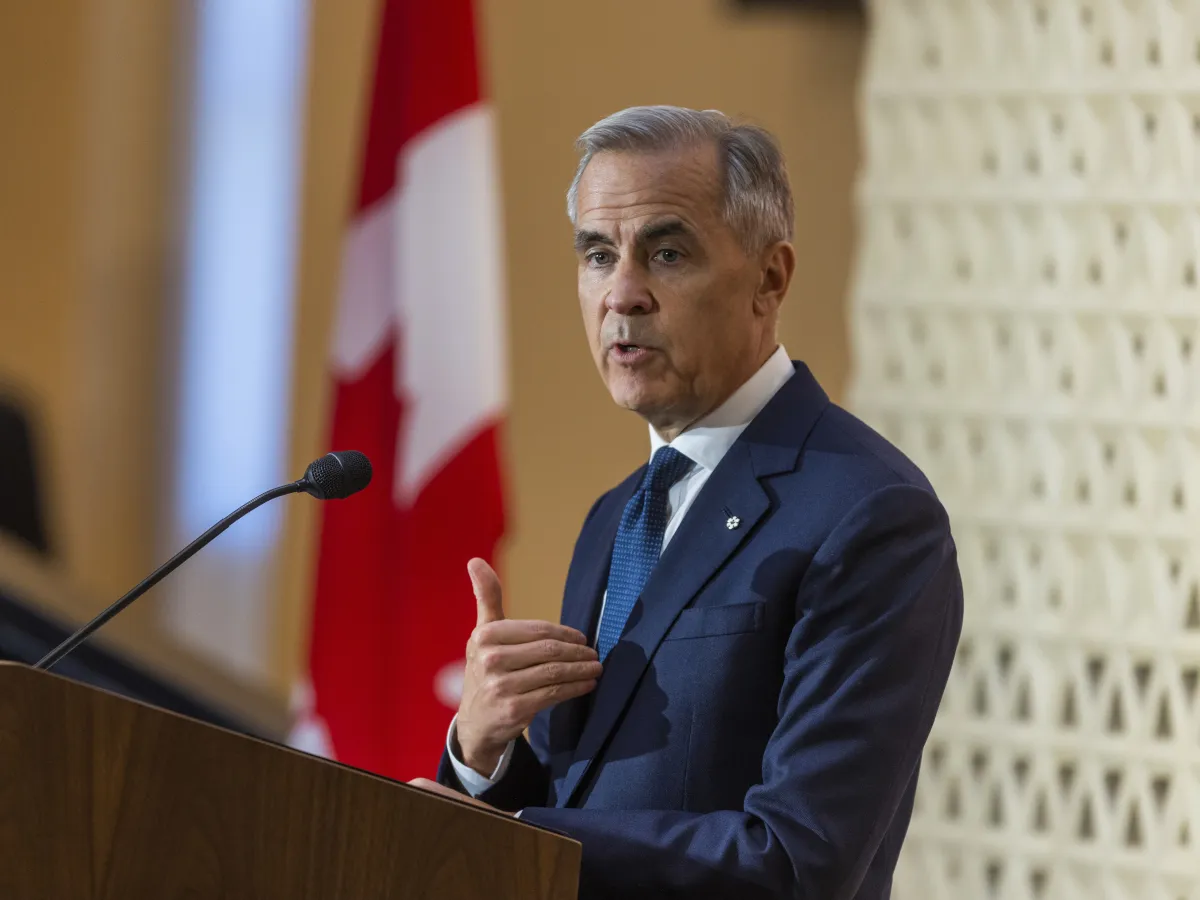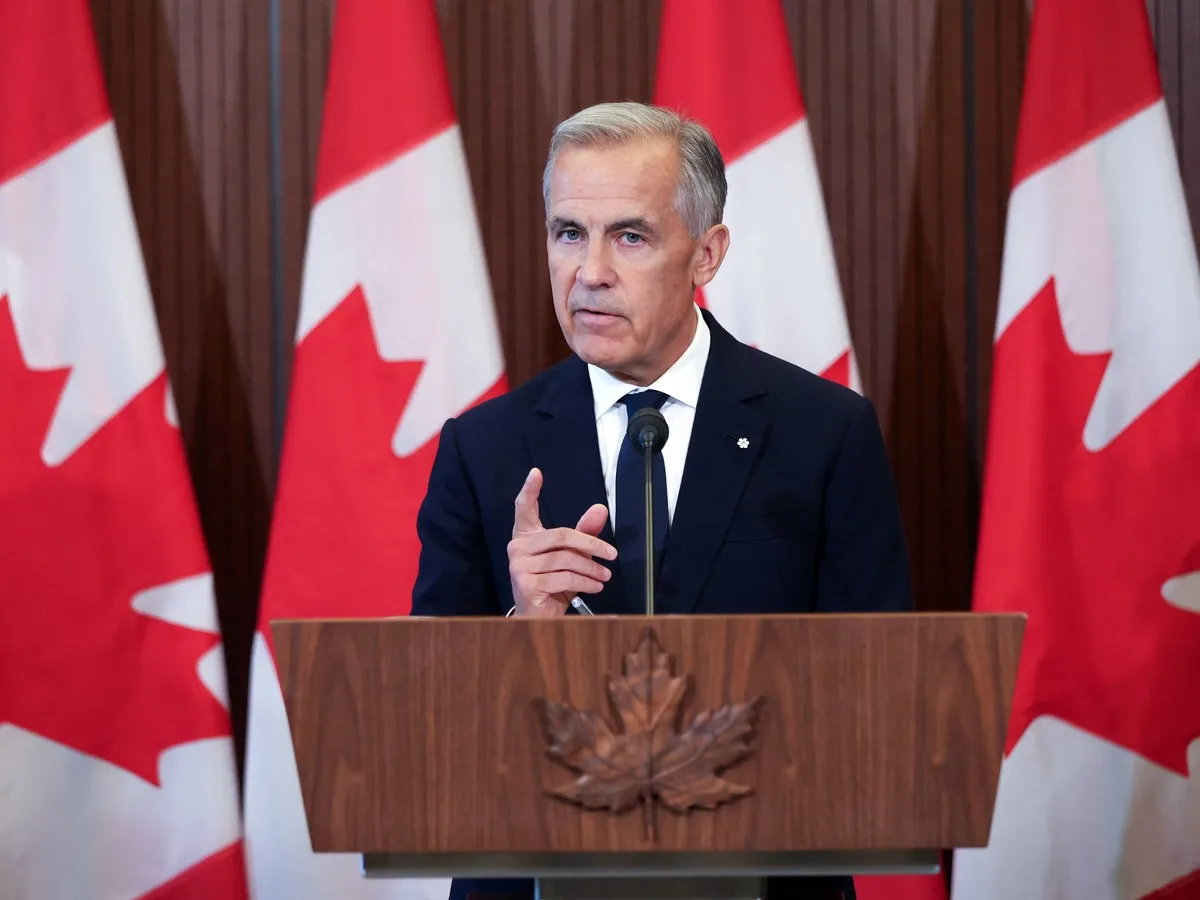
Skip to Content Subscribe Our Offers My Account Manage My Subscriptions FAQ Newsletters Canada Canadian True Crime Canadian Politics Health World Israel & Middle East Financial Post NP Comment Longreads Puzzmo Diversions Comics NP News Quiz New York Times Crossword Horoscopes Life Eating & Drinking Style Sponsored Play for Ontario Travel Travel Canada Travel USA Travel International Cruises Travel Essentials Culture Books Celebrity Movies Music Theatre Television Business Essentials Advice Lives Told Tails Told Shopping Buy Canadian Home Living Outdoor Living Tech Style & Beauty Kitchen & Dining Personal Care Entertainment & Hobbies Gift Guide Travel Guide Deals Savings National Post Store More Sports Hockey Baseball Basketball Football Soccer Golf Tennis Driving Vehicle Research Reviews News Gear Guide Obituaries Place an Obituary Place an In Memoriam Classifieds Place an Ad Celebrations Working Business Ads Archives Healthing Epaper Manage Print Subscription Profile Settings My Subscriptions Saved Articles My Offers Newsletters Customer Service FAQ Newsletters Canada World Financial Post NP Comment Longreads Puzzmo Diversions Life Shopping Epaper Manage Print Subscription HomeNewsCanadaCanadian PoliticsCarney government abandons Trudeau-era effort to allow human rights complaints on online hate speechThe government has not set a timeline on bringing forward a new online safety billLast updated 20 minutes ago You can save this article by registering for free here. Or sign-in if you have an account.Prime Minister Mark Carney speaks at a news conference on Parliament Hill in Ottawa on Thursday, May 14, 2026. Photo by HYUNGCHEOL PARK /PostmediaOTTAWA — Prime Minister Mark Carney’s government is abandoning efforts by his predecessor to reintroduce into the Canadian Human Rights Act the ability to bring forward complaints of online hate speech.Enjoy the latest local, national and international news.Exclusive articles by Conrad Black, Barbara Kay and others. Plus, special edition NP Platformed and First Reading newsletters and virtual events.Unlimited online access to National Post.National Post ePaper, an electronic replica of the print edition to view on any device, share and comment on.Daily puzzles including the New York Times Crossword.Support local journalism.Enjoy the latest local, national and international news.Exclusive articles by Conrad Black, Barbara Kay and others. Plus, special edition NP Platformed and First Reading newsletters and virtual events.Unlimited online access to National Post.National Post ePaper, an electronic replica of the print edition to view on any device, share and comment on.Daily puzzles including the New York Times Crossword.Support local journalism.Create an account or sign in to continue with your reading experience.Access articles from across Canada with one account.Share your thoughts and join the conversation in the comments.Enjoy additional articles per month.Get email updates from your favourite authors.Create an account or sign in to continue with your reading experience.Access articles from across Canada with one accountShare your thoughts and join the conversation in the commentsEnjoy additional articles per monthGet email updates from your favourite authorsSign In or Create an AccountorThe controversial provision, known as section 13, was repealed under the former Conservative government of Stephen Harper, with efforts to revive it advanced by former prime minister Justin Trudeau as part of his government’s online harms agenda, which never passed.The last attempt was under Bill C-63 which, besides proposing to create a new regulator for social media platforms, sought to amend federal human rights legislation to target “the communication of hate speech,” including online, allowing individuals to file complaints to the Canadian Human Rights Commission.It proposed allowing for complaints to be brought forward without having to disclose the identity of the complainant to the individual or group whose speech was in question. Opposition Conservatives decried the change as censorship and warned that its language was overly broad and risked flooding the human rights commissions with complaints, including those that could be frivolous.Asked whether the federal government intended to reintroduce that section into Canadian Human Rights Act, Jeremy Bellefeuille, a spokesman for Justice Minister Sean Fraser, said in a statement on Wednesday, “no.”Fraser, who is responsible for the human rights legislation, told the parliamentary justice committee while testifying earlier this week that when it comes to the government’s upcoming online harms bill, Parliamentarians should not expect “a simple copy and paste job of the previous legislation.”He said Canadian Heritage Minister Marc Miller, who has been tasked with responsibility for the file, was looking at the issue with a fresh set of eyes.The government has not set a timeline on bringing forward a new online safety bill, but Miller has said it was “very seriously” considering instituting a ban on social media for minors and had convened a roundtable of digital safety and other experts to explore the idea of including AI chatbots.Advocates across civil society, including children’s’ health organizations, have underscored the need for the government to present a new bill, arguing children in Canada were less protected than those in countries like the United Kingdom and Australia that have online regulators meant to address the spread of harmful content.Opposition Conservative Leader Pierre Poilievre, whose party has been the most vocal critic in Parliament on the Liberals’ digital and privacy agenda, accusing the government of advancing censorship tactics, has said his caucus was exploring the idea of social media ban for minors, saying he did not yet have a position.National PostOur website is the place for the latest breaking news, exclusive scoops, longreads and provocative commentary. Please bookmark nationalpost.com and sign up for our daily newsletter, Posted, here. Join the Conversation This website uses cookies to personalize your content (including ads), and allows us to analyze our traffic. Read more about cookies here. By continuing to use our site, you agree to our Terms of Use and Privacy Policy.
Carney government abandons Trudeau-era effort to allow human rights complaints on online hate speech
Prime Minister Mark Carney's government is abandoning the efforts by his predecessor.
925 words~4 min read