Iran has quietly built one of the most sophisticated sanctions evasion operations in modern history, combining old-school maritime trickery with new-school crypto payments to keep its oil revenue flowing. Daily oil revenue climbed from roughly $115 million in February 2026 to approximately $139 million in March, even as export volumes actually dropped about 45% month-over-month to around 1.136 million barrels per day.
The shadow fleet and its crypto companion
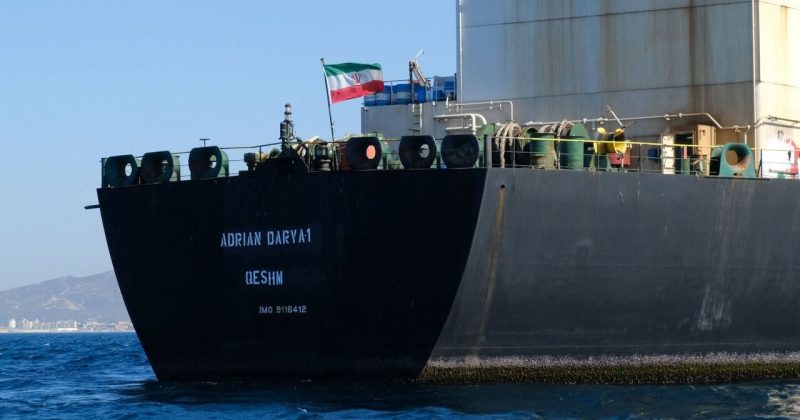
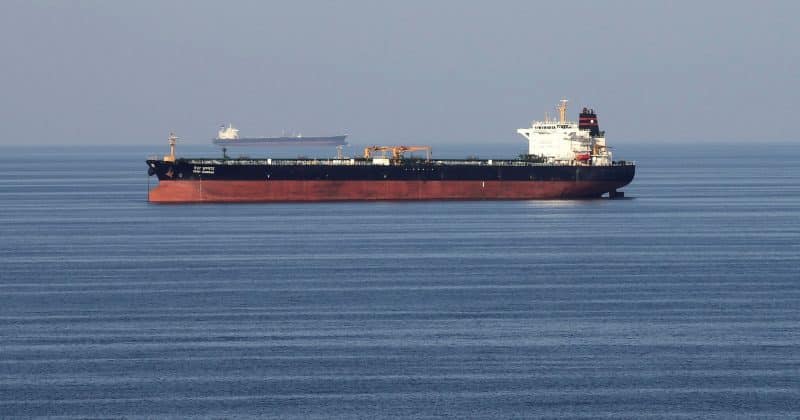
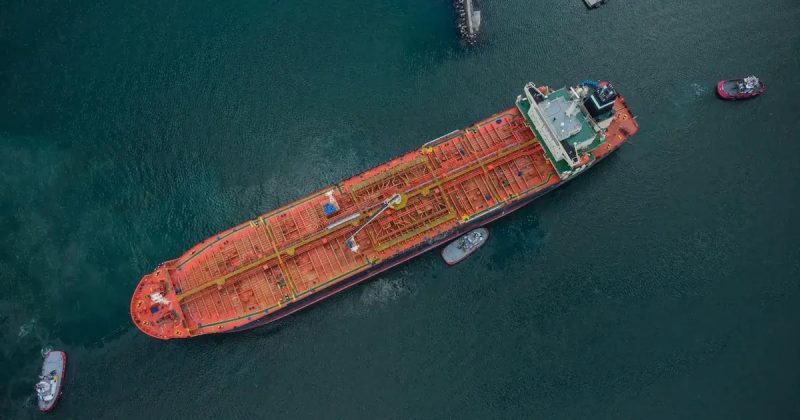
The physical infrastructure of Iran’s evasion network relies on hundreds of tankers operating under false flags, conducting ship-to-ship transfers in open water to obscure the origin of crude oil. These vessels are managed through layers of front companies scattered across the UAE, Hong Kong, Singapore, and China, with much of the oil ultimately flowing to China’s independent “teapot” refineries.
The Iranian Revolutionary Guard Corps has been linked to cryptocurrency transactions exceeding $100 million between 2023 and 2025. The IRGC has reportedly used crypto channels to sell oil, primarily to Chinese buyers, while laundering the proceeds through digital asset networks.
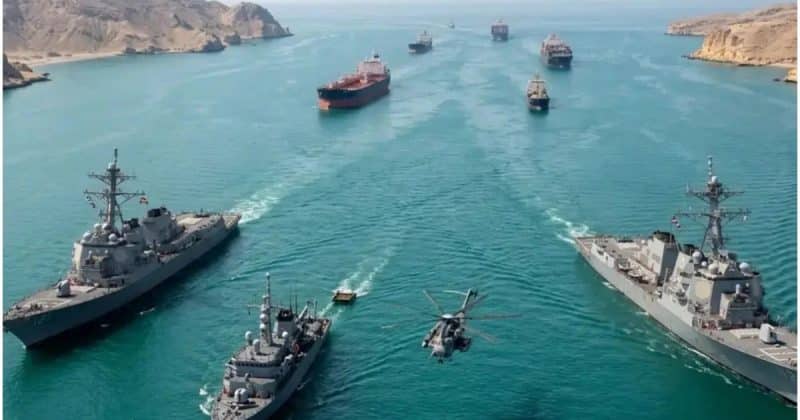
Iran has explored accepting Bitcoin and stablecoin payments of roughly $1 per barrel as transit fees for tankers passing through the Strait of Hormuz.